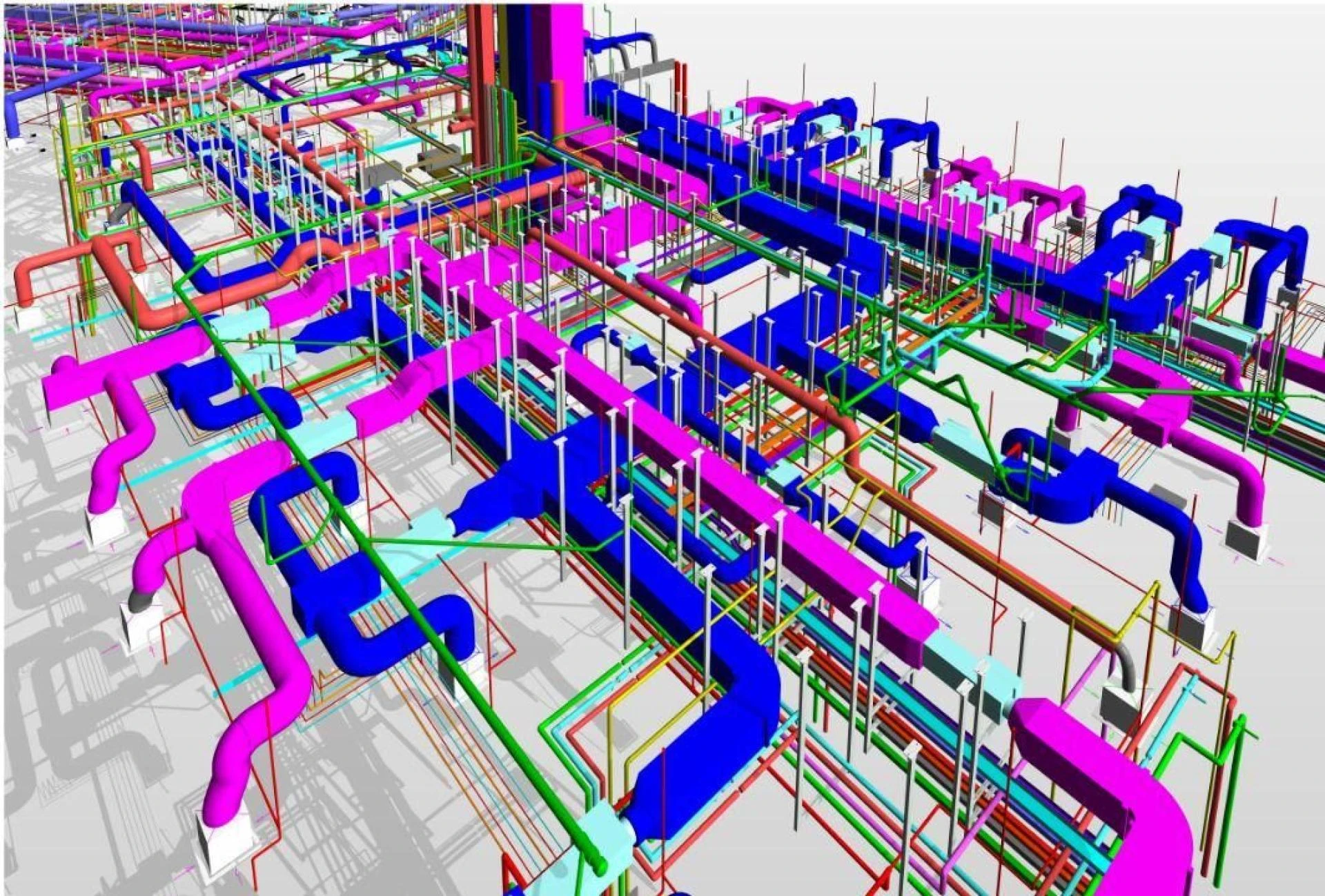

In the world of construction and building design, "MEP services" play a crucial role in ensuring that structures are not only functional but also comfortable, safe, and efficient. MEP stands for Mechanical, Electrical, and Plumbing, and these three core disciplines are integral to the infrastructure of any building. Whether it's a residential home, a commercial office, or an industrial facility, MEP services are essential for creating an environment that meets the needs of occupants and adheres to regulatory standards.
What Are MEP Services?
MEP services encompass the design, installation, and maintenance of the mechanical, electrical, and plumbing systems in a building. These systems are responsible for a wide range of functions, from heating and cooling to power supply and water distribution. Each component plays a specific role:
Mechanical Systems: This includes heating, ventilation, and air conditioning (HVAC) systems, which are critical for maintaining indoor air quality and comfort. Mechanical systems also cover fire protection systems, escalators, and elevators.
Electrical Systems: These systems provide power to a building, including lighting, outlets, and equipment. Electrical services also involve the installation of fire alarms, security systems, and emergency power systems.
Plumbing Systems: Plumbing involves the installation of water supply systems, drainage, and sewage systems. It also includes gas piping and stormwater management systems.
The Importance of MEP Services
The integration of MEP services in building design is essential for several reasons:
Safety: Properly designed and installed MEP systems ensure the safety of building occupants by preventing hazards such as electrical fires, gas leaks, and water damage.
Comfort: HVAC systems regulate temperature and humidity, providing a comfortable environment for occupants. Adequate plumbing and electrical systems also contribute to overall comfort by ensuring reliable access to water and power.
Efficiency: Well-designed MEP systems can significantly reduce energy and water consumption, leading to cost savings for building owners and operators. This efficiency is not only economical but also environmentally beneficial.
Compliance: Buildings must adhere to local, national, and international codes and standards, which often include specific requirements for MEP systems. Ensuring compliance helps avoid legal issues and penalties.
The Role of MEP Engineers
MEP services are provided by specialized engineers who are experts in their respective fields. MEP engineers work closely with architects, structural engineers, and other professionals to integrate these systems into the overall building design. Their responsibilities include:
Design: MEP engineers design systems that meet the specific needs of a building while ensuring efficiency, safety, and compliance with regulations.
Coordination: They coordinate with other disciplines to ensure that mechanical, electrical, and plumbing systems do not conflict with the building's structural and architectural elements.
Installation Oversight: MEP engineers oversee the installation of systems to ensure they are installed correctly and according to the design specifications.
Testing and Commissioning: Once installed, MEP systems must be tested to ensure they operate correctly. This process, known as commissioning, involves verifying that all systems are functioning as intended.
Trends in MEP Services
As technology advances, the field of MEP services is also evolving. Several key trends are shaping the future of MEP engineering:
Sustainability: There is a growing emphasis on designing sustainable buildings that minimize environmental impact. This includes the use of energy-efficient HVAC systems, renewable energy sources, and water-saving plumbing fixtures.
Smart Buildings: The integration of smart technologies in buildings is becoming more common. Smart systems can monitor and control MEP systems remotely, improving efficiency and allowing for predictive maintenance.
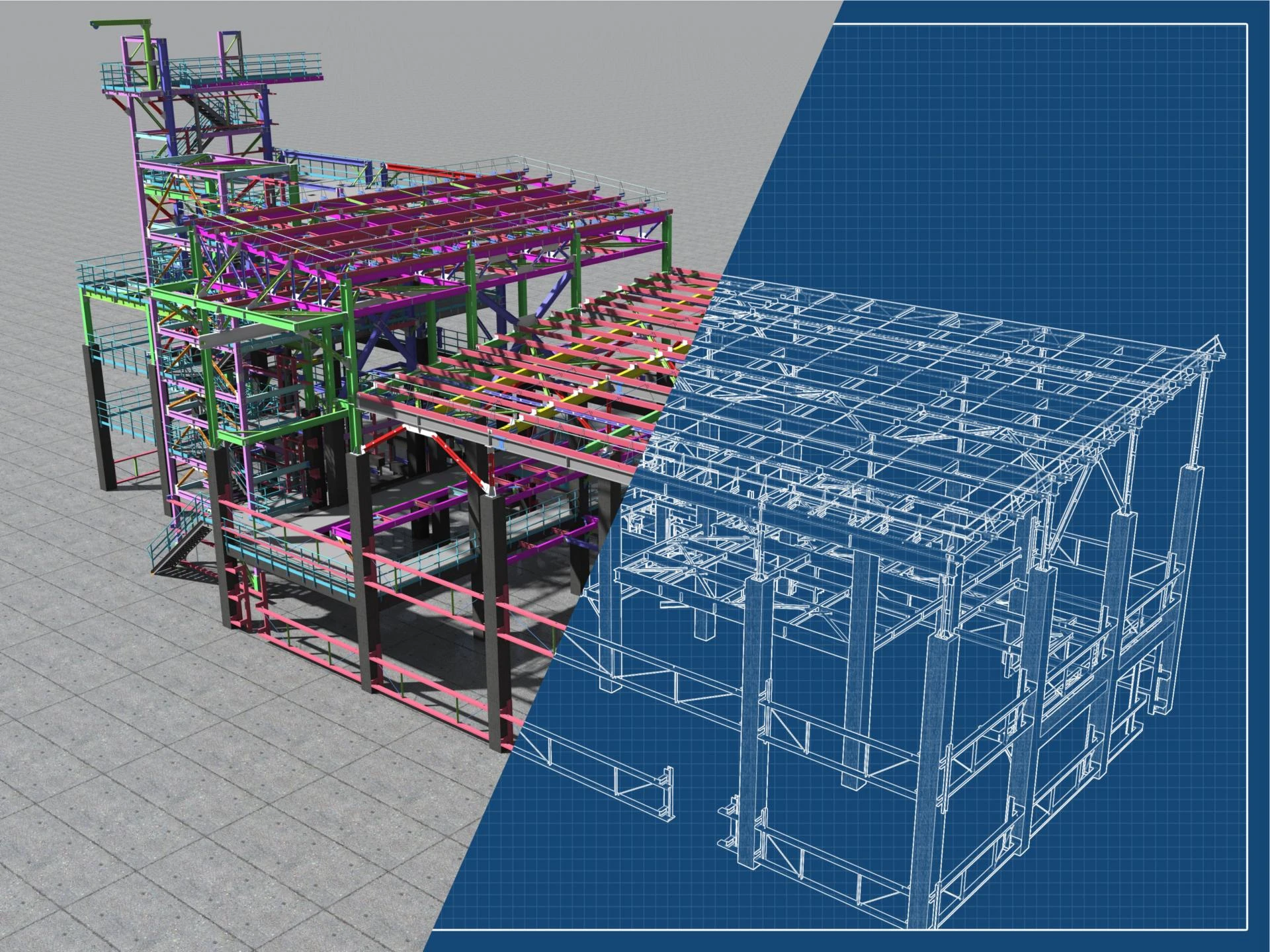
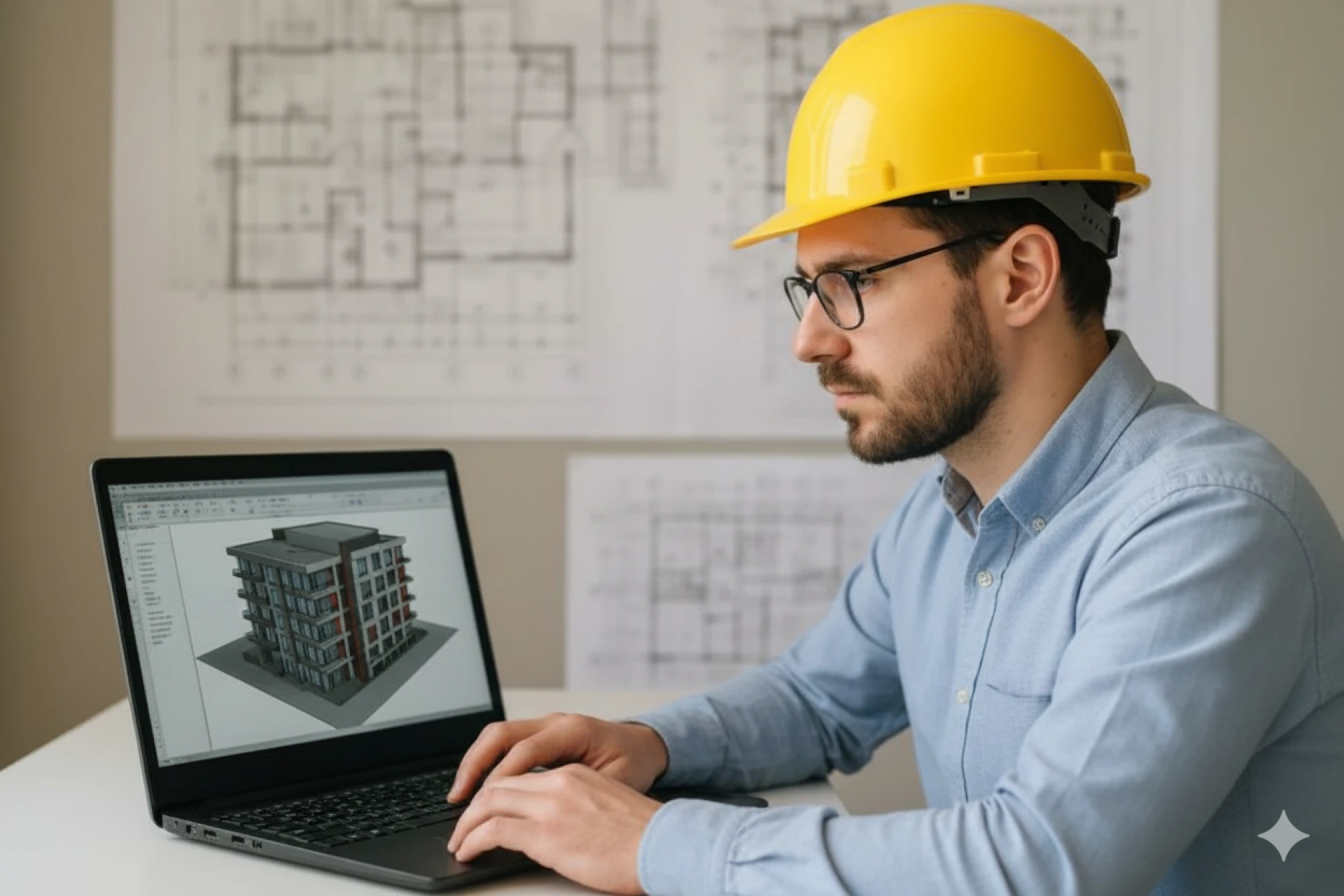
Building Information Modeling (BIM): BIM is a digital representation of the physical and functional characteristics of a building. It allows for better planning, design, and management of MEP systems throughout the building's lifecycle.
Energy Management: Advanced energy management systems are being implemented to monitor and optimize energy use in real-time. This not only reduces costs but also enhances sustainability.
Challenges in MEP Services
Despite the advancements, MEP services face several challenges:
Complexity: Integrating mechanical, electrical, and plumbing systems into modern buildings, especially high-rise or complex structures, requires careful planning and coordination.
Regulatory Compliance: Keeping up with changing regulations and standards can be challenging, especially in different regions with varying requirements.
Cost Management: Balancing the cost of MEP systems with the overall budget of a construction project is a critical aspect of project management.
Maintenance: Ensuring that MEP systems are properly maintained throughout the building's lifecycle is essential to prevent failures and extend the systems' lifespan.
Conclusion
MEP services are a fundamental component of building design and construction, essential for ensuring the safety, comfort, and efficiency of any structure. As the field continues to evolve with new technologies and a focus on sustainability, the role of MEP engineers becomes increasingly important. By understanding the complexities and benefits of MEP systems, building owners, designers, and engineers can work together to create environments that meet the needs of occupants and contribute to a sustainable future. Whether planning a new construction project or maintaining an existing building, the expertise provided by MEP services is invaluable in achieving these goals.

























Sign in to leave a comment.