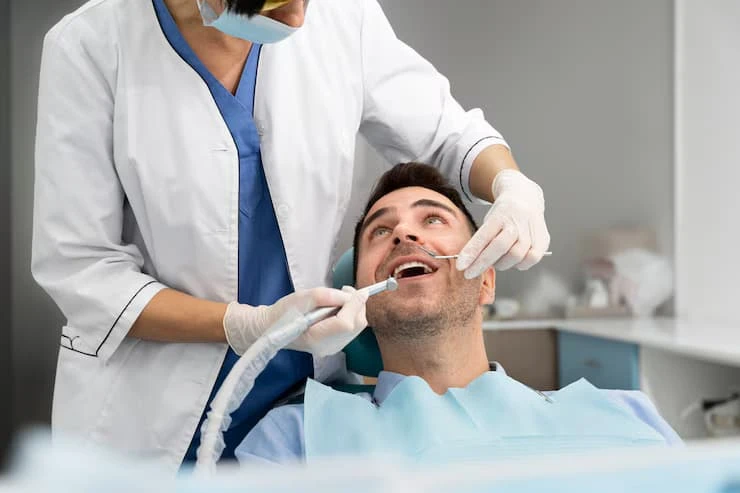

Maintaining optimal oral hygiene is crucial for overall health, and regular teeth cleaning plays a vital role in this process. While daily brushing and flossing are fundamental practices, professional teeth cleaning provides additional benefits that significantly enhance oral health. This article aims to explore the importance of teeth cleaning, the techniques involved, and the long-term benefits of maintaining a regular dental hygiene routine.
The Importance of Professional Teeth Cleaning
Teeth cleaning, often referred to as dental prophylaxis, is a preventive dental procedure designed to remove plaque, tartar, and stains from the teeth. While brushing and flossing are essential for daily oral care, they may not always eliminate all buildup, especially in hard-to-reach areas. Professional cleaning procedures are essential for preventing dental issues such as cavities, gum disease, and tooth loss.
One of the crucial reasons for scheduling regular teeth cleaning appointments is the removal of plaque and tartar. Plaque is a sticky film of bacteria that forms on the teeth, and if not adequately removed, it can harden into tartar, which is much more challenging to eliminate. Tartar buildup can lead to gingivitis, the earliest stage of gum disease, characterized by inflammation and irritation of the gums. If left untreated, gingivitis can progress to more severe forms of gum disease, which can result in tooth loss and other health complications.
Additionally, professional cleaning allows for the identification of potential dental issues before they become severe. During a cleaning appointment, the dentist or dental hygienist examines the mouth for signs of decay, gum disease, and other oral health concerns. Early detection can lead to timely intervention, preventing the need for more invasive procedures in the future.
The Teeth Cleaning Process
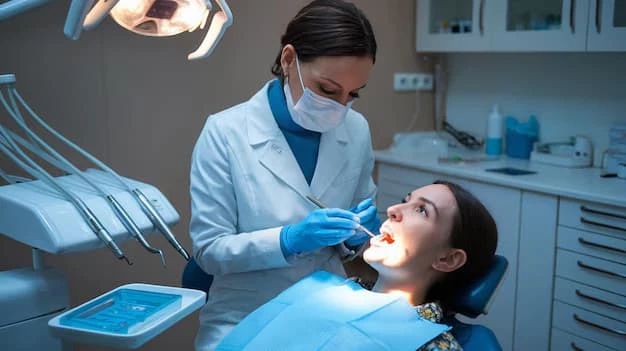
The process of teeth cleaning typically involves several steps, all aimed at ensuring a thorough and effective cleaning. Initially, the dental hygienist will conduct an examination of the mouth, checking for any signs of dental issues. This assessment sets the stage for a tailored cleaning approach that addresses the individual's unique needs.
Following the examination, the hygienist will use specialized instruments to remove plaque and tartar from the teeth. This scaling process involves gentle scraping of the teeth's surfaces, focusing on areas where plaque tends to accumulate, such as along the gum line and between teeth. Dental professionals utilize both hand-held tools and ultrasonic devices to ensure a comprehensive cleaning.
Once the scaling is complete, the hygienist will polish the teeth using a gritty toothpaste and a specialized electric toothbrush. This polishing step helps to remove surface stains and leaves the teeth feeling smooth and clean. After polishing, the hygienist may floss the teeth to ensure that all areas are thoroughly cleaned, including those that are difficult to reach with a toothbrush.
Finally, the dentist may conduct a final examination of the teeth and gums, discussing any findings with the patient. This appointment is an excellent opportunity for patients to ask questions and discuss any concerns regarding their oral health.
The Benefits of Regular Teeth Cleaning
Regular teeth cleaning provides numerous benefits that extend beyond simply having a brighter smile. One of the most significant advantages is the prevention of dental issues. By removing plaque and tartar buildup, regular cleanings help reduce the risk of cavities and gum disease, ensuring that teeth remain healthy and strong.
Moreover, professional cleanings contribute to fresh breath. Persistent bad breath can often be attributed to the accumulation of bacteria in the mouth, which can be effectively addressed through routine cleaning. By eliminating bacteria and food particles, professional cleanings help individuals maintain a more pleasant and confident smile.
Another important benefit of teeth cleaning is the enhancement of overall health. Research has established a connection between oral health and systemic health, indicating that poor dental hygiene can contribute to various health issues, including heart disease, diabetes, and respiratory problems. By prioritizing regular teeth cleaning, individuals can support their overall health and well-being.
Additionally, many people find that regular cleanings can serve as a motivating factor for maintaining a higher standard of oral hygiene at home. Knowing that a professional cleaning is on the calendar encourages individuals to be more diligent about their daily brushing and flossing routines.
How Often Should You Schedule Teeth Cleaning?
The frequency of teeth cleaning appointments can vary depending on individual oral health needs. Generally, dental professionals recommend that most individuals schedule a cleaning every six months. However, those with specific dental concerns or a higher risk of gum disease may benefit from more frequent visits, such as every three to four months.
Factors that may influence the recommended frequency of cleanings include a history of gum disease, smoking, diabetes, or other health conditions that can impact oral health. A dental professional can provide personalized recommendations based on an individual’s unique situation and needs.
The Role of Home Care in Complementing Professional Cleaning
While professional teeth cleaning is vital, it is equally important to maintain a robust home care routine. Daily brushing and flossing are essential for keeping teeth clean and preventing plaque buildup. The American Dental Association recommends brushing teeth at least twice a day with fluoride toothpaste and flossing daily to remove debris and plaque from between the teeth.
Additionally, individuals should consider incorporating mouthwash into their routine to help reduce bacteria and freshen breath. A balanced diet low in sugary foods and beverages can also contribute to better oral health. Regular dental check-ups, in conjunction with professional cleanings, ensure that individuals stay on track with their oral health goals.
Conclusion
In summary, teeth cleaning is an essential component of maintaining optimal oral health. Regular professional cleanings help prevent dental issues, promote fresh breath, and enhance overall well-being. By understanding the importance of this preventive care and committing to a routine that includes both professional and at-home practices, individuals can enjoy healthier smiles for a lifetime. For those seeking expert dental care and guidance, Glenside Dental is dedicated to providing comprehensive teeth cleaning services, ensuring that every patient achieves their best oral health.































Sign in to leave a comment.