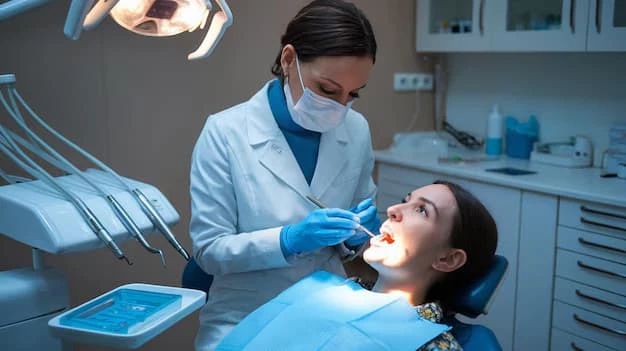

Dental health is often undervalued until an emergency arises. For many individuals, the idea of an unexpected trip to the dentist due to severe pain or an injury can be daunting. Not only can it lead to significant discomfort, but it can also result in creating a dent in one’s finances. Understanding how to avoid these emergency dental care visits can contribute to healthier teeth and gums, as well as peace of mind.
Understanding the Importance of Preventive Care
Preventive dental care is the cornerstone of maintaining oral health. Regular check-ups and cleanings help identify potential issues before they escalate into emergencies. During these visits, dentists can spot signs of decay, gum disease, or other complications that might necessitate immediate attention later. For instance, a small cavity detected during a routine exam can be easily treated with a filling, but if left unchecked, it could lead to a root canal or extraction, both of which require urgent care.
Moreover, preventive care goes beyond just visiting the dentist. It encompasses daily habits that contribute to oral health. Brushing teeth at least twice a day with fluoride toothpaste, flossing daily, and using mouthwash can significantly reduce the risk of dental emergencies. By investing time in these practices, individuals lower their chances of experiencing severe toothaches or other urgent dental issues.
Recognizing Risk Factors for Dental Emergencies
Certain lifestyle and health factors can increase the likelihood of dental emergencies. Individuals who engage in high-impact sports without proper mouth protection, for example, are more susceptible to injuries that can damage teeth. Similarly, those suffering from chronic conditions such as diabetes or heart disease may find that their oral health is affected, leading to a heightened risk of dental issues.
Diet also plays a crucial role in oral health. Consuming a diet high in sugar can contribute to tooth decay, while acidic foods and beverages can erode enamel, making teeth more vulnerable to damage. Awareness of these factors is essential for preventing emergencies. For those who are at a higher risk, implementing strategies such as wearing a mouthguard during sports and choosing healthier food options can make a significant difference in avoiding unexpected dental visits.
Maintaining Good Oral Hygiene Practices
Maintaining good oral hygiene is fundamental in reducing the need for emergency dental care. This involves not only brushing and flossing but also ensuring that one’s technique is effective. Many individuals might brush their teeth but do so incorrectly, which can lead to plaque build-up and gum disease. Dentists often recommend using a soft-bristled toothbrush and ensuring that one brushes for at least two minutes, reaching all areas of the mouth.
Flossing may seem like an additional chore, but it is crucial for removing food particles and plaque from between the teeth, where brushes often cannot reach. By incorporating flossing into the daily routine, individuals can significantly improve their oral health and reduce the likelihood of developing problems that might lead to emergency care.
Additionally, regular dental check-ups can help reinforce and educate about proper oral hygiene practices. Dentists can provide personalized tips and demonstrate effective techniques, ensuring that patients are well-equipped to take care of their teeth at home.
The Role of Regular Dental Check-ups
The significance of regular dental check-ups cannot be understated. These visits are not merely routine; they are an essential part of maintaining oral health and preventing emergencies. During these appointments, dentists conduct thorough examinations, including X-rays, to identify potential issues that may not yet be apparent to the patient.
In addition to addressing existing problems, these check-ups allow dental professionals to educate patients on the latest trends in oral health care, including new products and technologies that may enhance their dental hygiene. For example, advancements in electric toothbrushes and water flossers can provide more effective cleaning compared to traditional methods.
Furthermore, regular visits help establish a relationship with a dental professional who becomes familiar with an individual's oral health history. This familiarity enables dentists to provide tailored advice that can prevent emergencies. By building this rapport, patients are more likely to seek help at the first sign of trouble, rather than waiting until an issue becomes severe.
Emergency Preparedness: What to Do When an Issue Arises
Despite best efforts, emergencies can still occur. Knowing how to respond when a dental issue arises can make all the difference. For instance, if a tooth is knocked out, it is vital to handle the tooth carefully, avoiding touching the root. Rinsing it gently with water and attempting to reinsert it into the socket can increase the chances of saving the tooth. If re-insertion is not possible, placing the tooth in a container of milk can help preserve it until reaching a dental professional.
In cases of severe pain or swelling, it is crucial to contact a dentist immediately. Many dental offices allocate time in their schedules for emergencies. Being proactive and knowing what to do can mitigate further damage and reduce the need for extensive treatments later.
Moreover, keeping a basic dental first-aid kit at home can be beneficial. Items such as sterile gauze, dental wax, and over-the-counter pain relievers can provide temporary relief and support until professional help is available.
Investing in Dental Insurance and Care Plans
While preventive care and good hygiene practices are essential, investing in dental insurance or care plans can further safeguard against the financial impact of emergency visits. Many insurance plans cover routine check-ups and basic procedures, making it easier for individuals to commit to regular dental care without the worry of high costs.
Moreover, some dental care plans offer discounts for services, which can be particularly helpful for those who may need more extensive treatments. By having a plan in place, individuals can alleviate some of the stress associated with unexpected dental expenses.
In addition, staying informed about the specifics of one’s insurance plan can help individuals make educated decisions about when to seek care. Understanding what is covered and any limitations can empower individuals to prioritize their dental health effectively.
Conclusion
In summary, avoiding costly emergency dental care visits involves a multifaceted approach that includes preventive care, good oral hygiene practices, regular check-ups, and preparedness for unforeseen issues. By acknowledging the importance of these elements, individuals can take proactive steps to maintain their oral health.
The partnership between patients and dental professionals is vital for achieving optimal dental health. Regular communication, education, and preventive measures can significantly reduce the risk of emergencies. For those seeking reliable dental care, Glenside Dental stands ready to support individuals in their journey toward a healthier smile, ensuring that peace of mind accompanies every visit.


























Sign in to leave a comment.