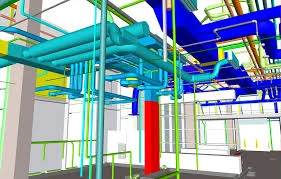

In the world of construction, the term "MEP services" is often mentioned, yet many people may not fully understand what it entails. MEP stands for Mechanical, Electrical, and Plumbing, and these services are crucial in ensuring the functionality and comfort of any building. This article aims to demystify MEP services, explaining their significance, components, and benefits in simple English.
Understanding MEP Services
MEP services cover three main disciplines in building design and construction:
Mechanical Services: These include heating, ventilation, and air conditioning (HVAC) systems. Mechanical services ensure that buildings have adequate heating during winter and cooling during summer, as well as proper ventilation to maintain air quality. These systems are essential for the comfort and health of building occupants.
Electrical Services: Electrical services involve the design and installation of electrical systems within a building. This includes power supply and distribution, lighting, fire alarms, security systems, and communications infrastructure. Proper electrical services are vital for the safe and efficient operation of any building.
Plumbing Services: Plumbing services handle the installation and maintenance of water supply and drainage systems. This includes pipes, faucets, toilets, showers, and wastewater systems. Effective plumbing is necessary for hygiene, sanitation, and the overall functionality of a building.
The Importance of MEP Services
MEP services are the backbone of modern buildings. They ensure that a building is not just a structure but a comfortable, safe, and functional space for people to live or work in. Without MEP services, a building would be incomplete and uninhabitable.
Comfort: HVAC systems are designed to maintain a comfortable indoor environment. They regulate temperature and air quality, making buildings livable regardless of external weather conditions.
Safety: Electrical and plumbing systems are critical for safety. Properly designed electrical systems prevent hazards like fires and electrical shocks. Plumbing systems ensure clean water supply and efficient wastewater disposal, preventing health risks.
Efficiency: MEP services contribute to the energy efficiency of buildings. Modern HVAC systems, for instance, use advanced technology to reduce energy consumption. Efficient lighting and electrical systems also minimize energy use, leading to cost savings and environmental benefits.
Components of MEP Services
Each component of MEP services plays a unique role in the overall functionality of a building. Let's take a closer look at these components:
HVAC Systems: These systems include heaters, air conditioners, ventilation fans, ducts, and thermostats. They work together to control the temperature and air quality inside a building. Modern HVAC systems often incorporate energy-efficient technologies and smart controls for optimal performance.
Electrical Systems: This includes wiring, circuit breakers, transformers, and distribution panels. Electrical systems also encompass lighting fixtures, power outlets, and emergency power supplies. Advanced electrical services integrate automation and smart technologies to enhance safety and efficiency.
Plumbing Systems: Plumbing involves a network of pipes, pumps, valves, and fixtures that distribute water and remove wastewater. It also includes systems for heating water and managing stormwater. High-quality plumbing services ensure reliable water supply and effective drainage, which are essential for health and hygiene.
The Role of MEP Engineers
MEP engineers are the professionals responsible for designing, installing, and maintaining MEP systems. They work closely with architects, contractors, and other stakeholders to ensure that all systems are integrated and function smoothly. MEP engineers use specialized software and tools to create detailed designs and simulations, ensuring that the systems meet all building codes and standards.
Design: MEP engineers create detailed plans for mechanical, electrical, and plumbing systems. They consider factors like building size, occupancy, usage, and local regulations to develop efficient and effective designs.
Installation: During construction, MEP engineers oversee the installation of systems to ensure they are implemented correctly. They work with contractors to address any challenges and ensure that the systems are installed according to the design specifications.
Maintenance: After construction, MEP engineers are responsible for maintaining and troubleshooting systems. Regular maintenance is crucial to ensure the longevity and efficiency of MEP systems.
Benefits of MEP Services
The benefits of MEP services extend beyond basic functionality. They enhance the overall quality of buildings and contribute to the well-being of occupants. Here are some key benefits:
Enhanced Comfort: Proper HVAC systems create a comfortable indoor environment, improving the quality of life for occupants. Consistent temperature control and good air quality are essential for comfort and health.
Improved Safety: Well-designed electrical and plumbing systems prevent accidents and health hazards. Reliable electrical systems reduce the risk of fires and electrical shocks, while efficient plumbing systems prevent water contamination and flooding.
Energy Efficiency: MEP services play a crucial role in reducing energy consumption. Modern systems are designed to be energy-efficient, reducing operational costs and minimizing environmental impact.
Cost Savings: While the initial investment in high-quality MEP services may be significant, the long-term savings are substantial. Energy-efficient systems lower utility bills, and effective maintenance reduces the need for costly repairs.
Sustainability: Sustainable building practices often focus on MEP services to reduce the environmental footprint of buildings. Energy-efficient HVAC systems, LED lighting, and water-saving plumbing fixtures contribute to sustainability goals.
Challenges in MEP Services
Despite their importance, MEP services come with their own set of challenges. These include:
Complexity: The integration of mechanical, electrical, and plumbing systems can be complex. Ensuring that all systems work together seamlessly requires careful planning and coordination.
Cost: High-quality MEP services can be expensive. However, the long-term benefits often justify the initial investment.
Maintenance: Regular maintenance is essential to keep MEP systems functioning efficiently. This requires ongoing effort and resources.
Regulations: MEP services must comply with local building codes and regulations. Keeping up with these regulations and ensuring compliance can be challenging.
Future Trends in MEP Services
The field of MEP services is constantly evolving, driven by technological advancements and changing industry standards. Some future trends include:
Smart Buildings: The integration of smart technologies in MEP services is becoming more common. Smart HVAC systems, lighting, and plumbing fixtures can be controlled remotely and optimized for efficiency.
Sustainability: There is a growing focus on sustainable building practices. MEP services are incorporating renewable energy sources, energy-efficient technologies, and water-saving systems to reduce environmental impact.
Building Information Modeling (BIM): BIM is revolutionizing the design and construction of MEP systems. It allows for detailed 3D modeling and simulation, improving the accuracy and efficiency of MEP designs.
Energy Management Systems (EMS): EMS technologies are being integrated into MEP services to monitor and optimize energy usage in buildings. These systems provide real-time data and insights, helping to reduce energy consumption and costs.
Conclusion
MEP services are essential for the functionality, safety, and comfort of modern buildings. They encompass mechanical, electrical, and plumbing systems, each playing a critical role in the overall performance of a building. While MEP services can be complex and costly, their benefits far outweigh the challenges. As technology advances and sustainability becomes a priority, MEP services will continue to evolve, ensuring that buildings are not only functional but also efficient and environmentally friendly. Understanding the importance and components of MEP services is crucial for anyone involved in the construction and maintenance of buildings.
4o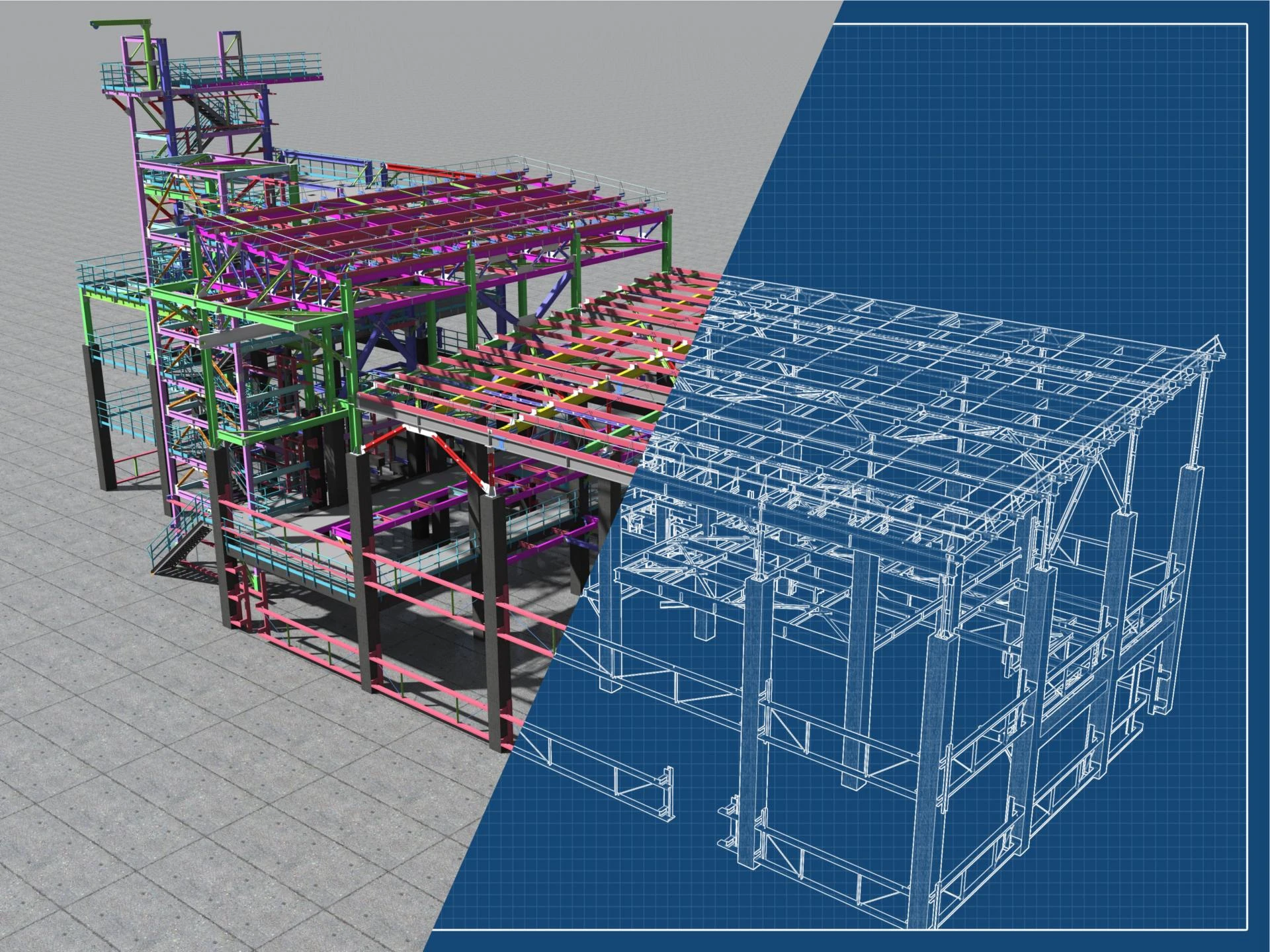



























Sign in to leave a comment.