

Introduction
Construction materials have played a central role in shaping the built environment throughout history. From ancient civilizations constructing monuments out of stone to modern cities filled with steel and glass skyscrapers, the materials available to builders have continuously evolved to meet changing needs. Advancements in engineering, manufacturing, transportation, and environmental awareness have all influenced the way structures are designed and built.
Over the decades, construction materials have become stronger, more efficient, and increasingly specialized. These innovations have allowed architects and engineers to push the limits of design while improving safety, durability, and sustainability. Understanding how construction materials have changed over time offers valuable insight into the development of the construction industry and the innovations that continue to drive it forward.
Traditional Building Materials Laid the Foundation
For much of human history, construction depended on natural materials that were readily available in local environments. Stone, timber, clay, and mud bricks served as the primary components of buildings, roads, and public structures. These materials were valued because they were accessible and relatively easy to work with using the tools available at the time.
Stone was particularly important for structures that required durability and longevity. Many ancient temples, fortifications, and public buildings remain standing today because of its exceptional strength. Wood, meanwhile, became a popular choice for homes and smaller structures due to its versatility and abundance in many regions.
Brick construction also became widespread as civilizations learned to produce uniform building blocks capable of withstanding weather and fire. Although these traditional materials had limitations regarding height and structural span, they established the foundation upon which future construction innovations were built.
The Industrial Revolution Changed Everything
The Industrial Revolution transformed nearly every aspect of construction. Improvements in manufacturing processes made materials more consistent, affordable, and widely available. Among the most influential developments was the rise of structural steel.
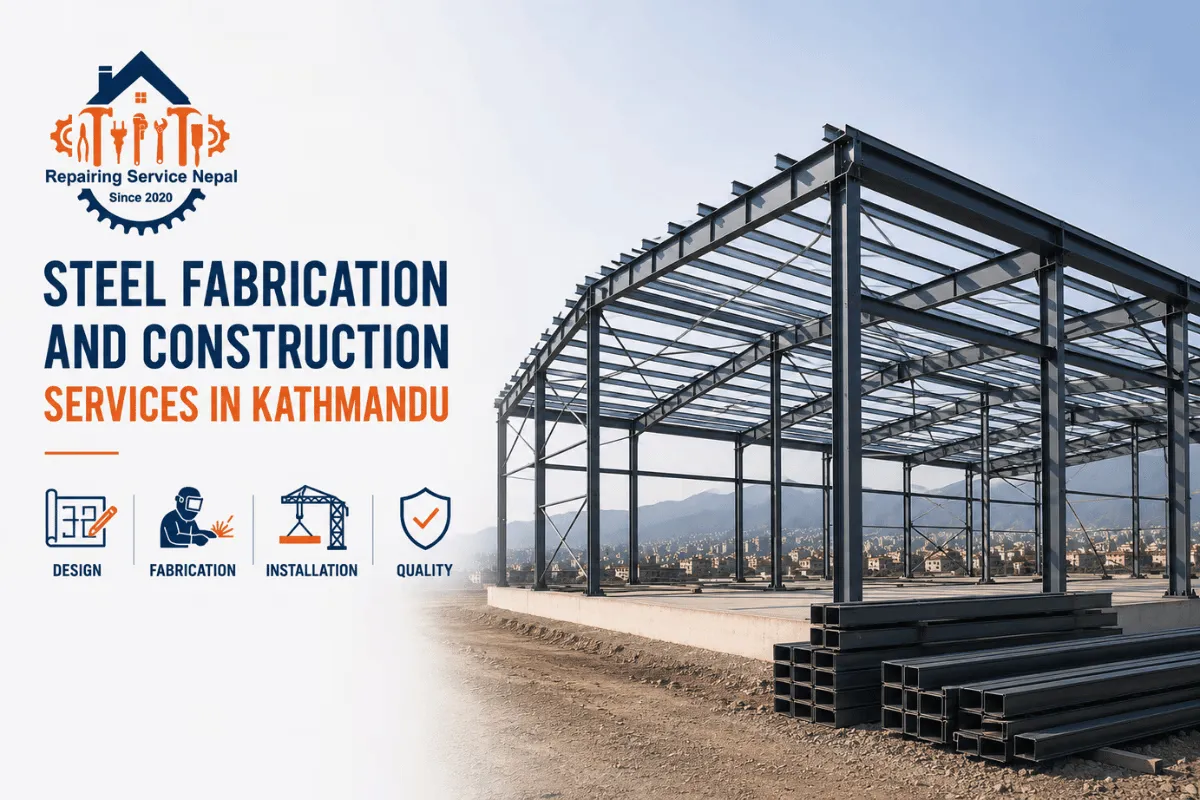
Steel quickly became a game-changing construction material because of its high strength-to-weight ratio. Builders could create taller buildings with larger open spaces while maintaining structural integrity. This advancement paved the way for modern skyscrapers and large commercial structures that would have been impossible using traditional masonry techniques alone.
Concrete also evolved significantly during this period. While concrete had existed in various forms for centuries, modern production methods improved its reliability and performance. The introduction of reinforced concrete, which combines concrete with embedded steel reinforcement, further expanded construction possibilities. Bridges, tunnels, factories, and high-rise buildings could now be built with greater strength and durability than ever before.
The combination of steel and reinforced concrete became the backbone of twentieth-century construction and remains essential in projects around the world today.
Specialized Materials Support Modern Construction
As construction projects became more sophisticated, builders began relying on a wider variety of specialized materials and components. Modern structures involve far more than simply assembling concrete, steel, and wood. Today's projects incorporate advanced systems that require precision engineering and highly refined manufacturing processes.
Construction machinery, elevators, HVAC systems, and industrial equipment all depend on components designed to operate under demanding conditions. Mechanical parts such as bearings, couplings, and shaft collars contribute to the reliable performance of equipment that supports construction and building operations.
At the same time, manufacturers developed corrosion-resistant metals, improved fasteners, advanced adhesives, and protective coatings that extended the lifespan of structures. These specialized materials helped improve safety, reduce maintenance requirements, and enhance the overall performance of modern buildings. The growing complexity of construction projects created demand for materials specifically engineered for particular functions and environments.
The Rise of Engineered and Composite Products
During the latter half of the twentieth century, engineered materials began gaining popularity across the construction industry. Rather than relying solely on naturally occurring resources, manufacturers developed products designed to deliver superior performance and consistency.
Engineered wood products such as laminated veneer lumber, glued laminated timber, and cross-laminated timber became attractive alternatives to conventional lumber. These materials helped reduce waste while providing predictable strength characteristics. Builders could achieve greater design flexibility while still benefiting from the aesthetic appeal of wood.
Composite materials also became increasingly common. Combining multiple materials into a single product allowed manufacturers to create solutions with enhanced durability, reduced weight, and improved resistance to environmental factors. Composite decking, insulated wall panels, synthetic roofing materials, and advanced waterproofing systems all emerged as valuable tools for modern builders.
These innovations improved efficiency and expanded the range of applications available to architects and contractors. As a result, construction projects became more adaptable to changing performance requirements and design goals.
Sustainability Is Shaping the Future of Materials
In recent decades, sustainability has become one of the most important factors influencing material development. Growing concerns about environmental impact have encouraged manufacturers and construction firms to seek greener alternatives that reduce waste, conserve resources, and lower carbon emissions.
Recycled steel, reclaimed wood, low-carbon concrete mixes, and environmentally responsible insulation products have become increasingly common in both residential and commercial projects. Advances in material science are helping companies develop products that perform well while minimizing environmental impact throughout their lifecycle.
Technology is accelerating this shift toward sustainability. Digital design tools allow engineers to optimize material usage, reducing unnecessary waste during construction. New manufacturing processes continue to improve efficiency while supporting the production of stronger, lighter, and more environmentally friendly materials.
As regulations and market expectations continue to evolve, sustainable construction materials will likely play an even larger role in future building projects. The industry is increasingly focused on balancing performance, durability, and environmental responsibility.
Conclusion
The evolution of construction materials reflects humanity's ongoing pursuit of better ways to build. From ancient stone structures and timber frames to modern steel, reinforced concrete, engineered products, and sustainable innovations, each era has introduced materials that expanded the possibilities of construction.
Today's buildings benefit from centuries of advancement in engineering, manufacturing, and material science. As new technologies emerge and sustainability becomes an even greater priority, construction materials will continue to evolve. This ongoing progression will help shape safer, stronger, and more efficient structures for generations to come.


























Sign in to leave a comment.