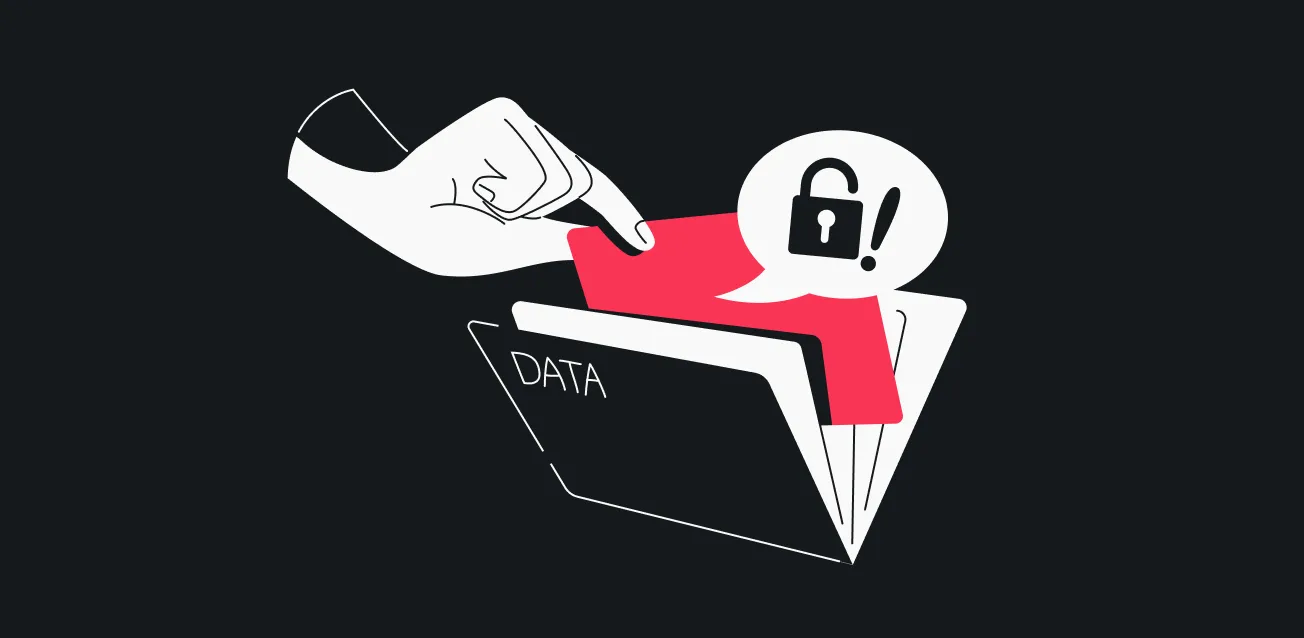

In today’s digital world, understanding what is a data breach is essential for individuals and organizations alike. A data breach is the unauthorized access, disclosure, or theft of sensitive information, such as personal data, financial records, or confidential business information. Over the years, data breaches have evolved significantly, becoming more complex, frequent, and damaging due to technological advancements and the growing reliance on digital systems.
The Early Days of Data Breaches
In the early stages of IT systems, data breaches were relatively simple and often caused by weak passwords, insider threats, or basic system vulnerabilities. At that time, attackers primarily targeted standalone systems or small networks. The types of data breaches were limited, and their scale was relatively small compared to today’s standards.
However, as businesses began adopting interconnected systems and storing large volumes of data digitally, cybercriminals quickly adapted. This marked the beginning of more organized and sophisticated attacks, paving the way for modern cyber threats.
The Rise of Advanced Data Breach Techniques
With the growth of the internet, cloud computing, and mobile technologies, data breaches have become more advanced. Hackers began using techniques such as phishing, malware, ransomware, and social engineering to exploit vulnerabilities. Today, the types of data breaches include:
- Phishing attacks targeting user credentials
- Malware infections that steal or encrypt data
- Ransomware attacks demanding payment for data recovery
- Insider threats from employees or contractors
- Cloud misconfigurations exposing sensitive data
These evolving attack methods have made it increasingly difficult for organizations to protect their systems, highlighting the need for stronger cybersecurity measures.
Impact of Data Breach on Individuals
The impact of data breach on individuals can be severe and long-lasting. When personal information such as bank details, passwords, or identity documents is compromised, individuals may face:
- Identity theft and financial fraud
- Loss of privacy and personal security
- Emotional stress and anxiety
- Damage to personal reputation
In many cases, victims may take years to recover from the effects of a data breach. As a result, awareness and proactive security practices are crucial for minimizing risks.
Impact of Data Breaches in Companies
The impact of data breaches in companies is equally significant, often resulting in financial, operational, and reputational damage. Organizations affected by data breaches may experience:
- Loss of customer trust and brand reputation
- Legal penalties and regulatory fines
- Operational disruptions and downtime
- Financial losses due to recovery efforts
In modern IT systems, where data is a critical asset, a single breach can have far-reaching consequences. Companies must invest in robust security frameworks to prevent such incidents.
Data Breach Consequences in the Modern Era
The consequences of data breaches have intensified over time due to stricter regulations and increased public awareness. Governments worldwide have introduced data protection laws that hold organizations accountable for safeguarding user information. Failure to comply can result in heavy fines and legal action.
Additionally, the rise of digital transformation has expanded the attack surface, making organizations more vulnerable. As businesses adopt cloud platforms, IoT devices, and remote work environments, the risk of data breaches continues to grow.
Preventing Data Breaches in Modern IT Systems
To address the evolving threat landscape, organizations must adopt proactive measures to prevent data breaches. Some effective strategies include:
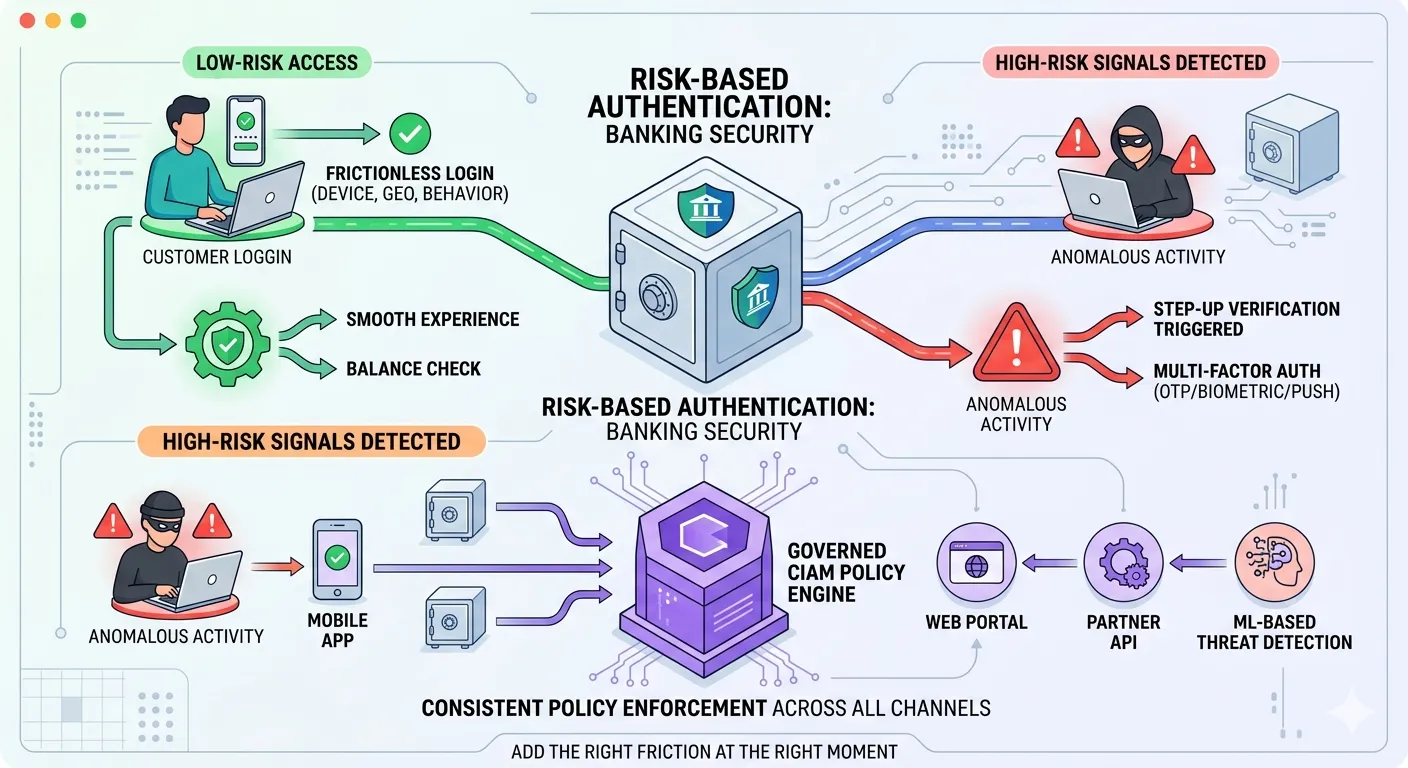
- Implementing strong authentication and access controls
- Regularly updating and patching systems
- Conducting security audits and penetration testing
- Training employees on cybersecurity awareness
- Encrypting sensitive data and using secure networks
By understanding the types of data breaches and their causes, organizations can better prepare and protect their systems against potential threats.
Conclusion
The evolution of data breaches in modern IT systems reflects the rapid advancement of technology and the increasing value of data. From simple security flaws to highly sophisticated cyberattacks, data breaches have become a major concern for both individuals and organizations.
Understanding what is a data breach, its various forms, and the data breach consequences is essential for staying secure in today’s digital landscape. By adopting strong cybersecurity practices and staying informed, both individuals and companies can reduce the risks and safeguard their valuable information.























Sign in to leave a comment.