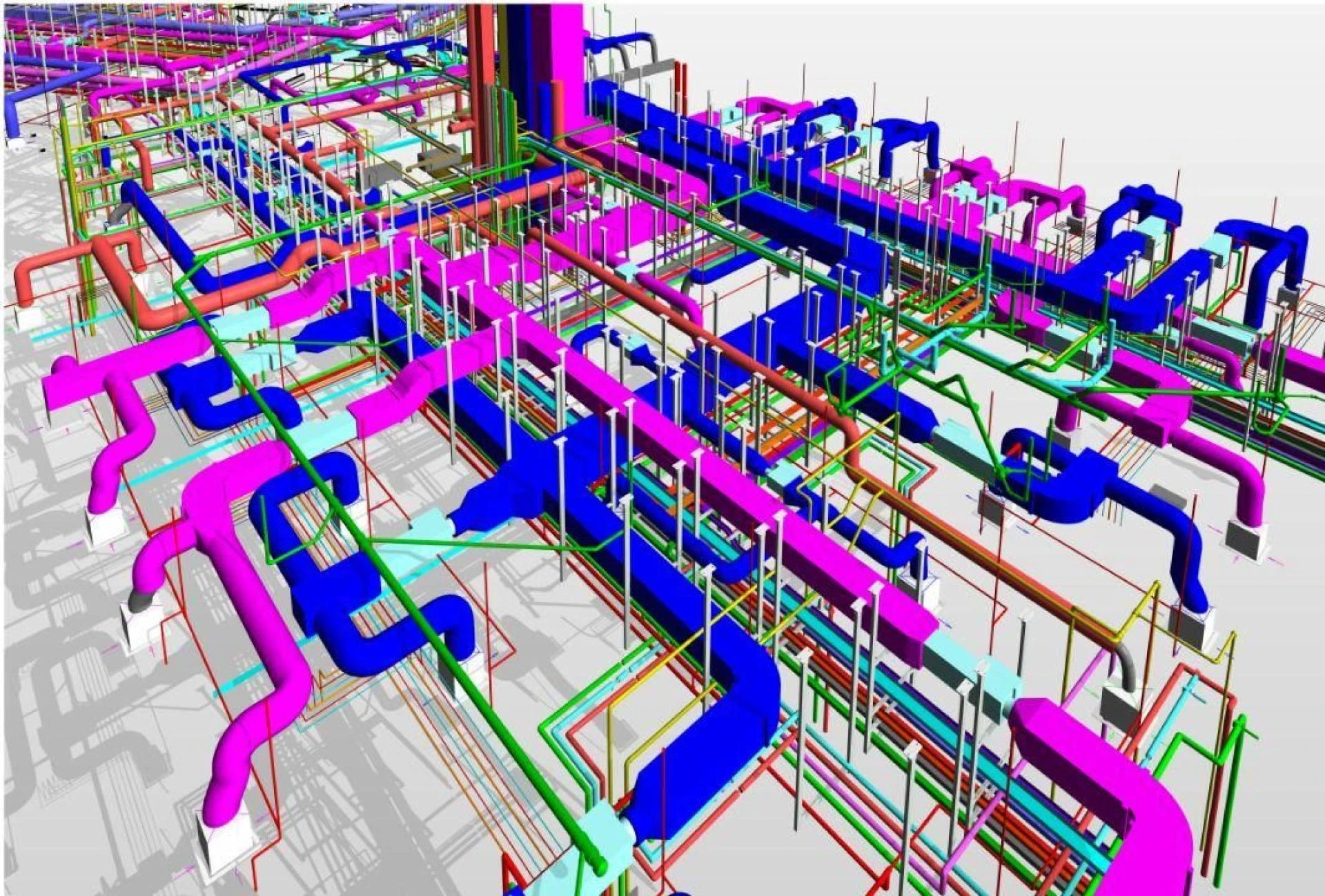

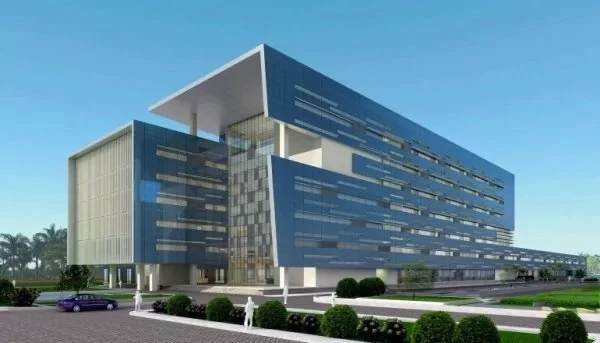
In the ever-changing landscape of construction, the evolution of Mechanical, Electrical, and Plumbing (MEP) services plays a pivotal role in shaping the way we design, build, and maintain structures. The integration of MEP services has come a long way, from conventional systems to cutting-edge technologies, revolutionizing the construction industry. This blog explores the journey of MEP highlighting key milestones, current trends, and the future outlook.
Historical Perspective
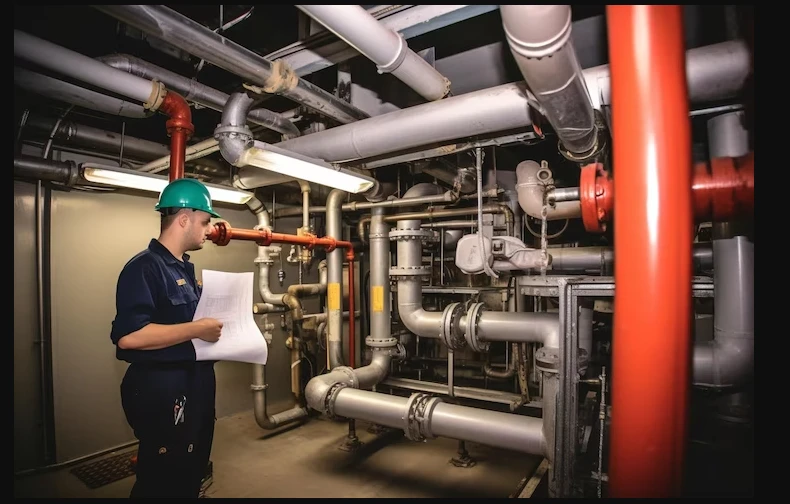
To understand the evolution of MEP services, we must first delve into their historical roots. In the early days of construction, MEP systems were rudimentary, focusing primarily on basic functionality. As buildings grew in complexity and demands for comfort and efficiency increased, MEP services underwent a significant transformation. The advent of electricity and the industrial revolution marked a turning point for Electrical services, allowing for widespread electrification of buildings. Similarly, advancements in materials and engineering practices paved the way for sophisticated Mechanical and Plumbing systems, catering to the evolving needs of modern structures.
Technological Advancements
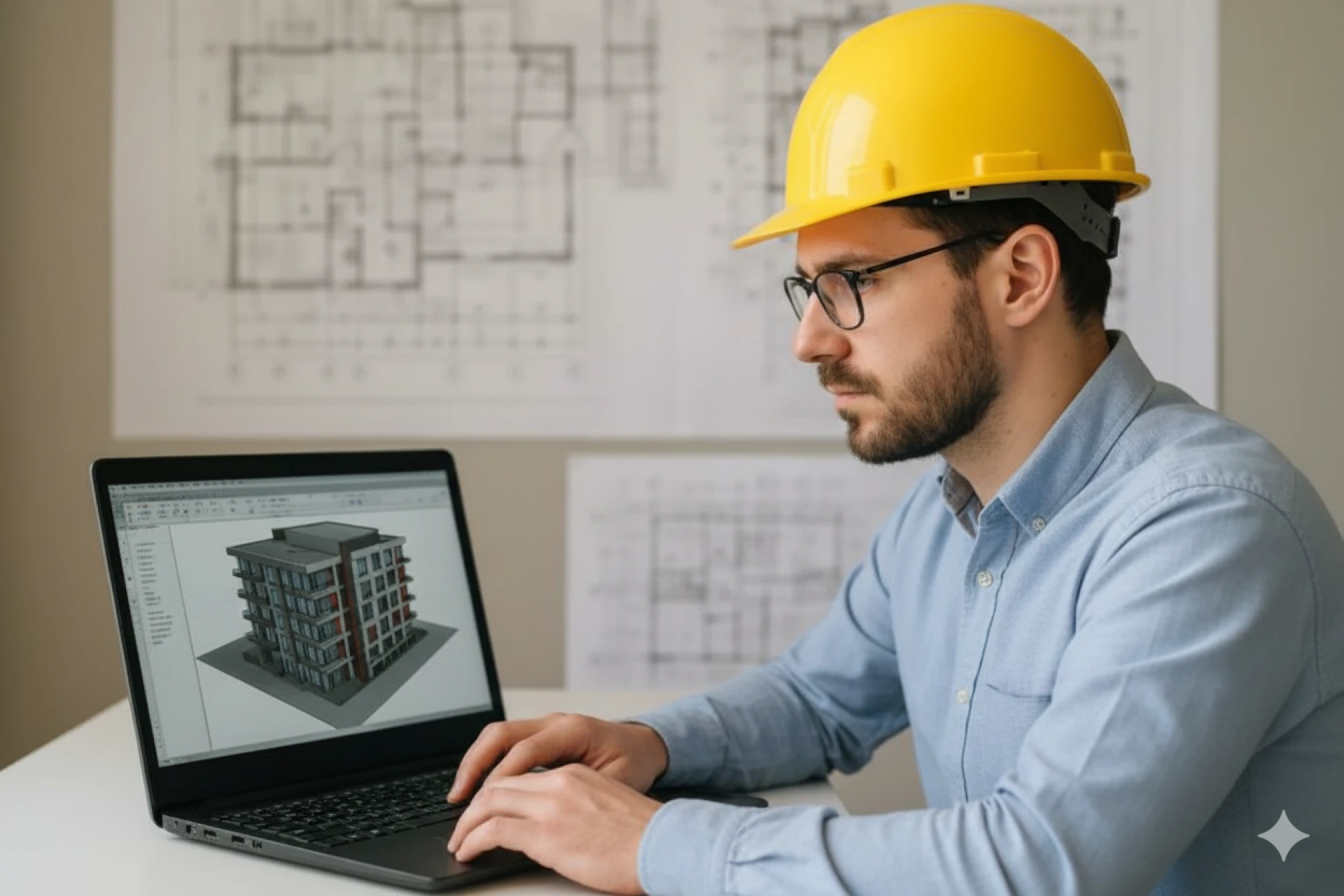
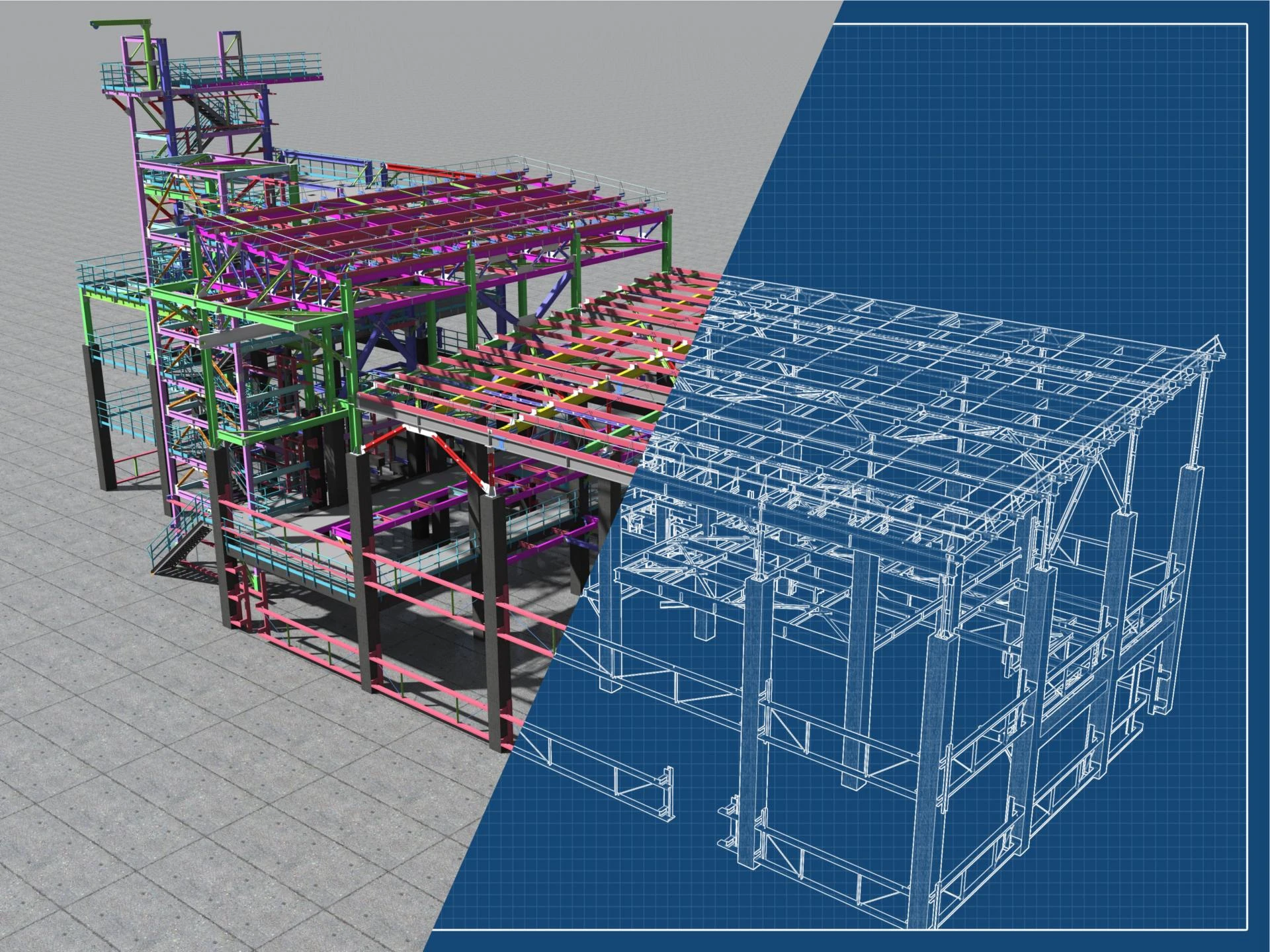
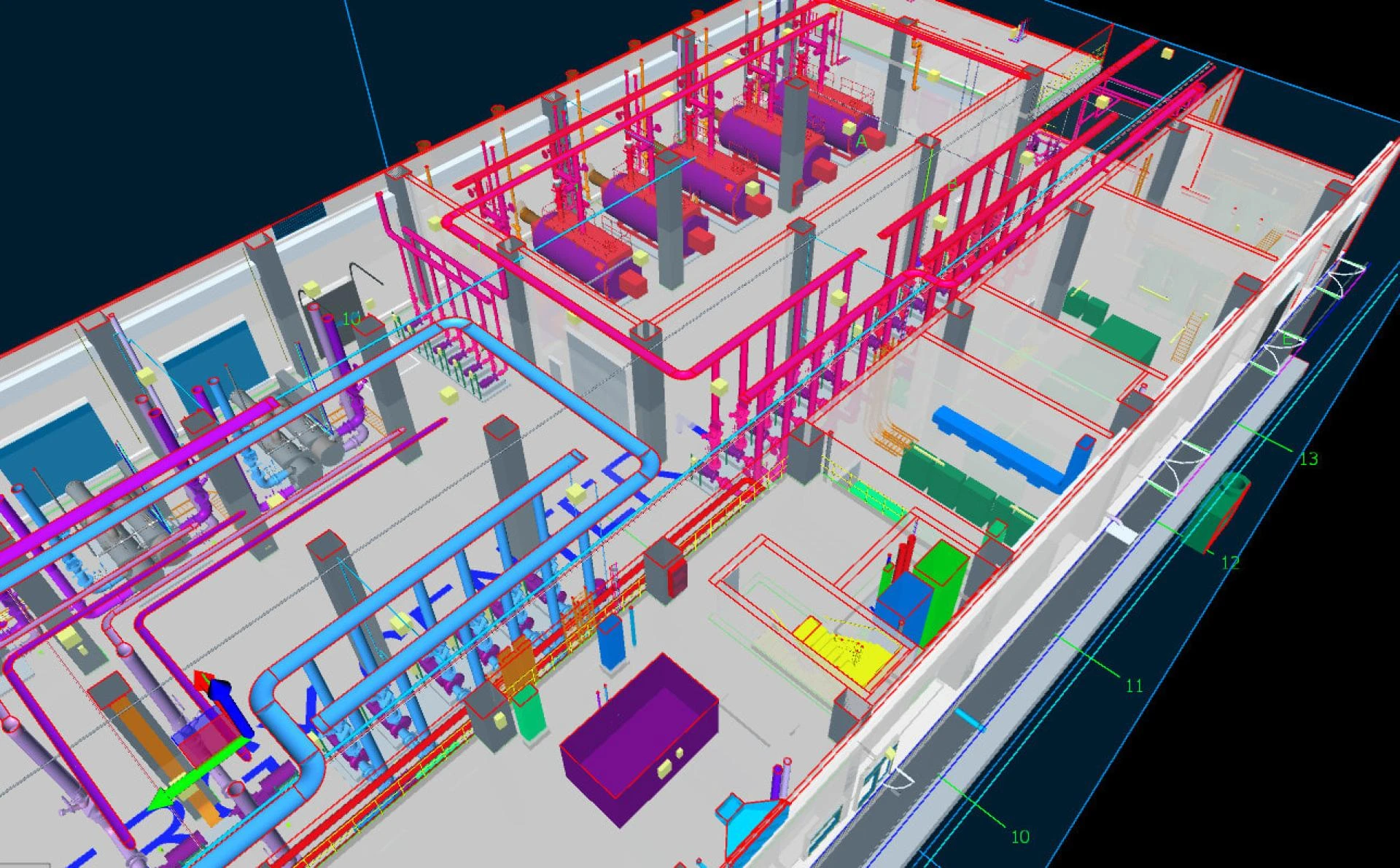
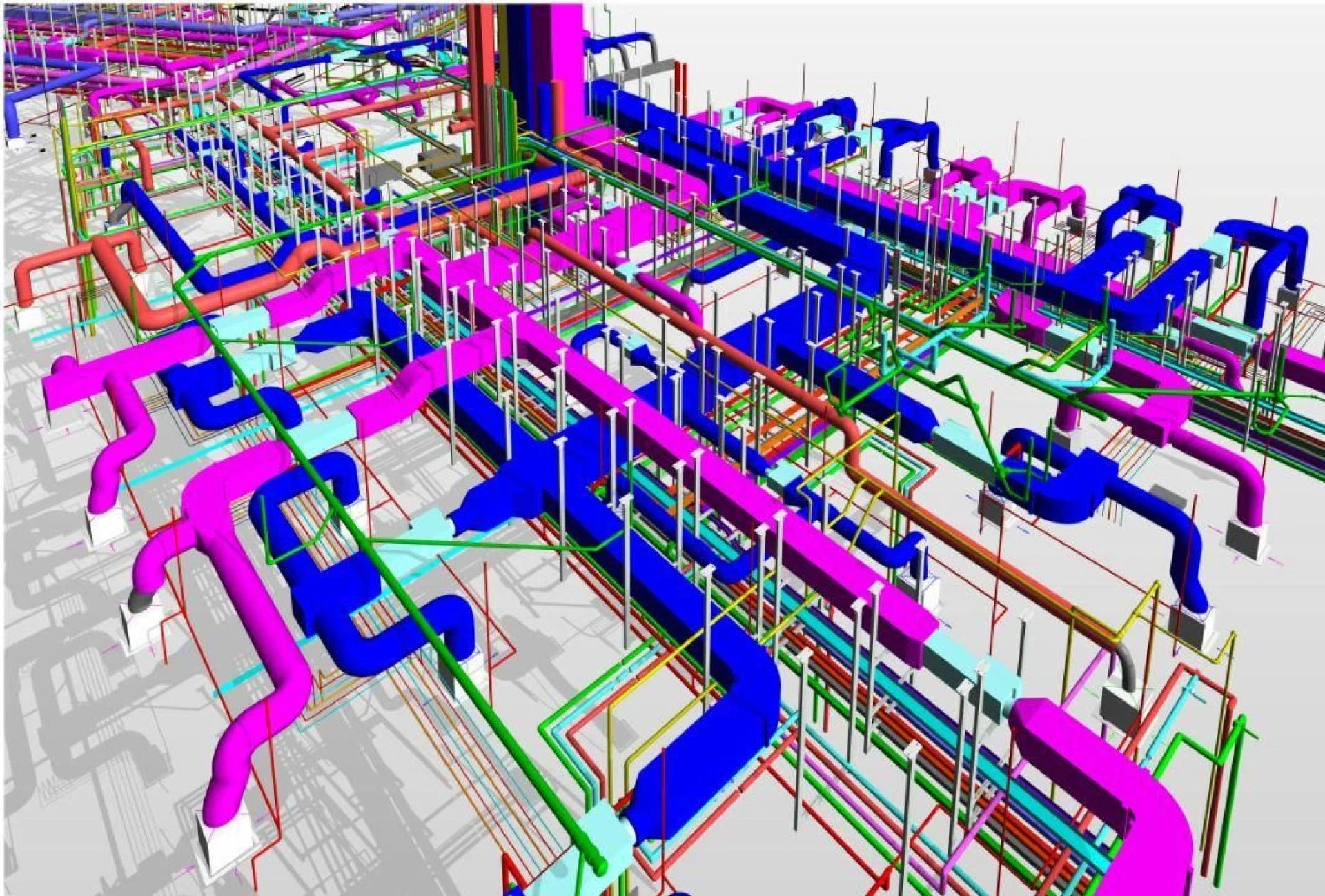
The late 20th century witnessed a surge in technological innovations that had a profound impact on MEP services. Computer-Aided Design (CAD) revolutionized the way engineers and architects planned and visualized MEP systems. This shift from traditional blueprints to digital models enhanced accuracy, coordination, and collaboration among project stakeholders. Building Information Modeling (BIM) further transformed the MEP landscape by creating a collaborative platform for architects, engineers, and contractors. BIM allows for real-time coordination of MEP systems, reducing errors, minimizing clashes, and optimizing space utilization. The result is a more efficient and streamlined construction process.
Sustainable Practices
With the growing awareness of environmental issues, sustainability has become a key focus in modern construction. MEP play a critical role in achieving energy efficiency and minimizing the environmental impact of buildings. The integration of green technologies, such as energy-efficient HVAC systems, solar panels, and water-saving plumbing fixtures, has become standard practice.LEED (Leadership in Energy and Environmental Design) certification has become a benchmark for sustainable construction, driving the adoption of eco-friendly MEP solutions. The emphasis on sustainability not only benefits the environment but also reduces operational costs for building owners over the long term.
Smart Building Technologies
The rise of smart building technologies represents the latest frontier in MEP service. The Internet of Things (IoT) has enabled the connectivity of building systems, allowing for real-time monitoring, control, and optimization. Smart HVAC systems, lighting controls, and advanced building management systems contribute to enhanced occupant comfort and operational efficiency.
Artificial intelligence (AI) and machine learning algorithms are being integrated into MEP service, providing predictive maintenance capabilities. This proactive approach helps identify potential issues before they escalate, reducing downtime and maintenance costs. The era of smart buildings is reshaping the way we interact with our built environment, and MEP service are at the forefront of this transformation.
Challenges and Opportunities
While the evolution of MEP services brings about numerous benefits, it also presents challenges. The complexity of integrating advanced technologies requires a skilled workforce capable of navigating the digital landscape. Continued education and training are essential to equip professionals with the knowledge and expertise needed to harness the full potential of modern MEP systems.Opportunities abound for innovation and growth in the MEP industry. As urbanization and population growth continue, the demand for efficient, sustainable, and technologically advanced buildings will rise. MEP professionals have the opportunity to lead the way in developing solutions that address the unique challenges of the 21st century.
Future Outlook
Looking ahead, the future of MEP services in modern construction is poised for further innovation. Emerging technologies such as 5G connectivity, robotics, and augmented reality are likely to play a significant role in shaping the next generation of MEP systems. The industry will continue to prioritize sustainability, resilience, and occupant well-being, driving advancements in design, materials, and construction practices.
Conclusion
The evolution of MEP services in modern construction reflects the dynamic nature of the industry. From humble beginnings to the era of smart buildings, ENGISOFT ENGINEERING - BIM Staffing & BIM Services MEP services have adapted to meet the ever-changing demands of the built environment. As we navigate the complexities of construction in the 21st century, the integration of advanced technologies, sustainable practices, and a skilled workforce will continue to drive the evolution of MEP services, shaping the buildings of tomorrow.

Sign in to leave a comment.