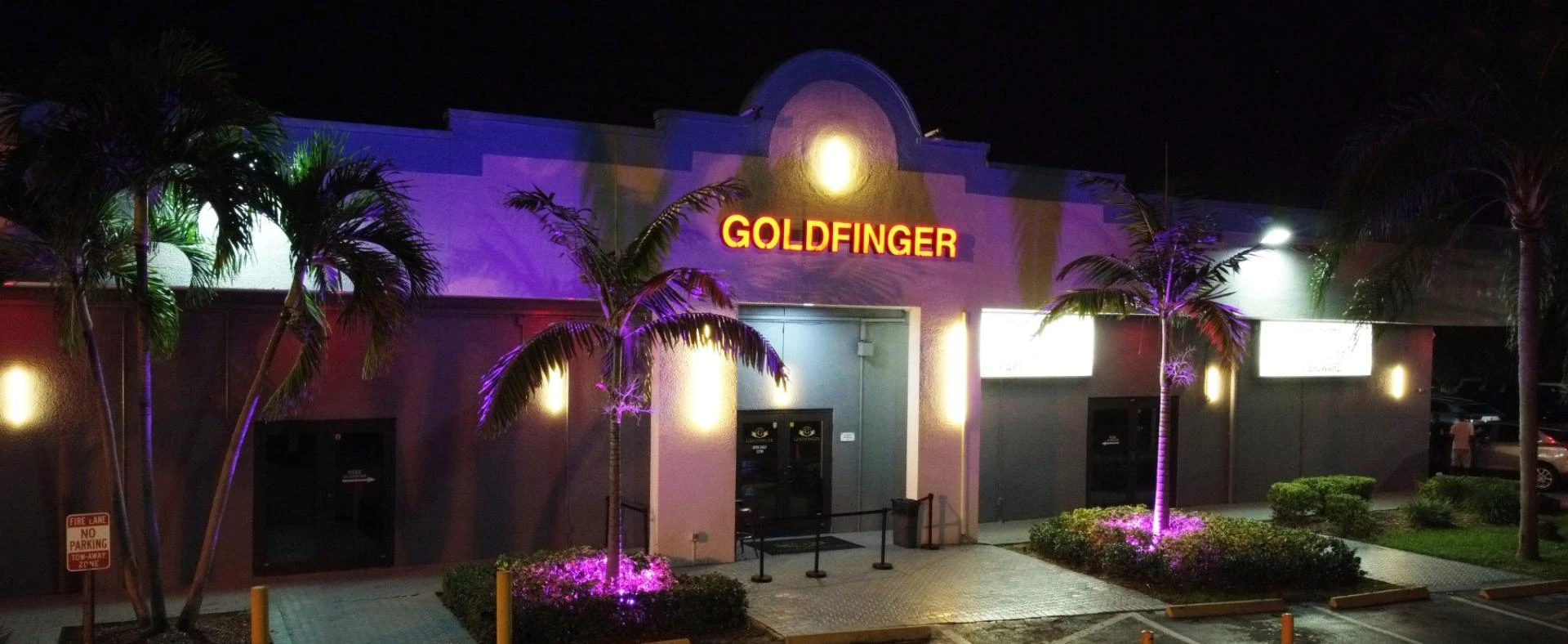

Once considered taboo and hidden from the public eye, the strip club has evolved into a widely recognized and often celebrated form of nightlife entertainment. Over the years, strip clubs have undergone a cultural shift, adapting to modern values while retaining their original purpose—providing adult entertainment in a vibrant, social setting. This article explores how strip clubs have changed, the role they play in society today, and why they continue to attract a diverse range of patrons across the world.
Historical Roots of the Strip Club
Strip clubs trace their origins back to burlesque shows and cabaret performances in the 19th and early 20th centuries. These early forms of adult entertainment were centered around theatrical performance, often blending comedy, music, and dance with suggestive or risqué acts. As social norms evolved and urban nightlife became more liberal, the transition from stage shows to modern strip clubs began. By the mid-20th century, cities like Las Vegas, New York, and Los Angeles saw the rise of dedicated venues focused on exotic dancing and adult-oriented entertainment.
Mainstream Popularity and Cultural Acceptance
In recent decades, strip club have gained broader cultural acceptance. Pop culture, movies, music videos, and reality TV have played a big role in bringing strip clubs into the mainstream spotlight. Artists like Cardi B and Drake have openly celebrated strip club culture in their music, further normalizing the industry. Today, it’s not uncommon to see professionals, couples, and tourists visiting these venues—not just for the shows, but also for the atmosphere, drinks, and social engagement. The stigma once attached to strip clubs has lessened, particularly in metropolitan areas where nightlife diversity is embraced.
The Role of Strip Clubs in Entertainment and Hospitality
Modern strip clubs are no longer just venues for adult entertainment—they often serve as hybrid spaces that combine hospitality, nightlife, and performance art. High-end establishments offer full bars, gourmet menus, VIP lounges, and even bottle service, rivaling upscale nightclubs. Some clubs double as music venues, hosting DJs, themed parties, and events. This shift toward a more comprehensive entertainment experience has helped strip clubs reach a wider audience and compete with other nightlife options.
Redefining the Strip Club Environment
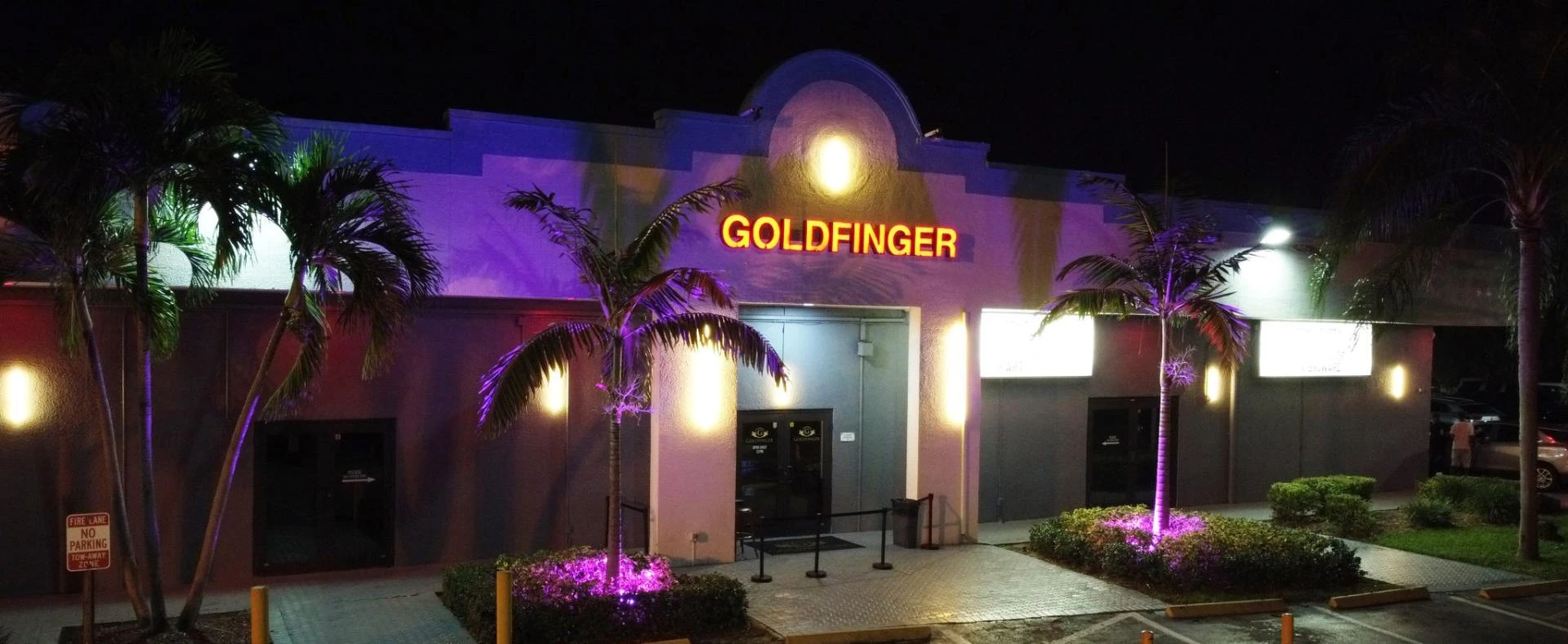
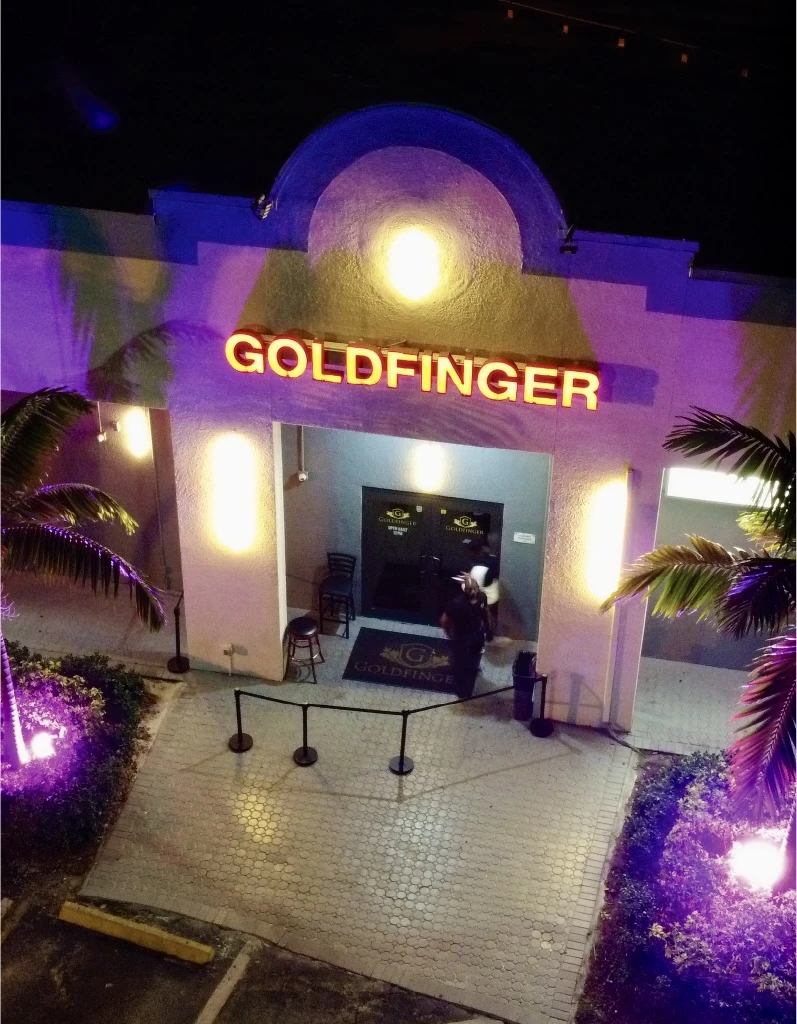
One of the biggest changes in the strip club industry is the environment itself. Gone are the days of dark, smoky rooms and poorly maintained interiors. Today’s clubs invest heavily in aesthetics, technology, and customer comfort. LED lighting, top-notch sound systems, clean facilities, and stylish decor are now standard in many clubs. These improvements have elevated the overall guest experience and made strip clubs more appealing to both regular patrons and newcomers.
Empowerment and the Performer’s Perspective
A significant development in the modern strip club scene is the growing recognition of dancers as empowered individuals and performers. Many dancers view their work as a legitimate form of art and self-expression. With the rise of social media and content platforms, dancers can now build personal brands, connect with fans, and advocate for labor rights and fair treatment. The narrative is shifting from objectification to empowerment, with dancers taking pride in their skills, professionalism, and independence.
Diversity in Strip Club Audiences
Strip clubs today cater to a much more diverse crowd than in the past. While historically associated with male clientele, modern clubs welcome couples, women, and people from all walks of life. Special events like “Ladies Night,” LGBTQ+ nights, and themed parties are designed to appeal to a broader demographic. This inclusive approach helps break down outdated stereotypes and fosters a more open-minded and respectful culture within the strip club scene.
Technology and Innovation in the Industry
Technology has played a key role in the modernization of strip clubs. Online booking systems, mobile apps, digital tipping platforms, and social media promotions are now part of the standard business model. Some clubs even offer virtual experiences or live streaming for fans who want to engage from home. These innovations have made strip clubs more accessible and efficient while opening new revenue streams for performers and businesses alike.
Safety, Regulation, and Professional Standards
The rise in professionalism within the strip club industry has led to stricter regulations and improved safety for both staff and patrons. Many clubs now implement detailed codes of conduct, security protocols, and staff training to ensure a respectful and safe environment. Background checks, surveillance systems, and clear rules on consent and tipping help maintain high standards and protect everyone involved. These efforts contribute to a more trustworthy and enjoyable experience.
Strip Clubs as a Part of Tourism and Local Culture
In cities known for their nightlife, such as Las Vegas, Miami, and New Orleans, strip clubs have become an integral part of tourism. Visitors often include these venues in their itinerary alongside restaurants, concerts, and clubs. In some cases, strip clubs are so iconic they become tourist attractions in their own right. This growing role in the travel industry demonstrates how strip clubs have moved beyond the shadows and into the cultural spotlight.
Looking Ahead: The Future of Strip Clubs
The future of strip clubs lies in their ability to adapt to changing social norms and audience expectations. As discussions around gender, inclusivity, and work rights continue, strip clubs are likely to evolve further. Some may focus on niche themes or boutique-style experiences, while others embrace technology to reach global audiences. What remains consistent is the demand for spaces where adults can enjoy entertainment in a lively and artistic atmosphere.
Conclusion: From the Margins to the Mainstream
The modern strip club is a far cry from its early beginnings. Through reinvention and adaptation, it has transitioned from a marginalized space to a recognized part of nightlife and culture. Today, strip clubs offer more than just entertainment—they provide a platform for art, empowerment, and social connection. As they continue to grow and innovate, strip clubs will remain a dynamic and integral part of the entertainment landscape.

























Sign in to leave a comment.