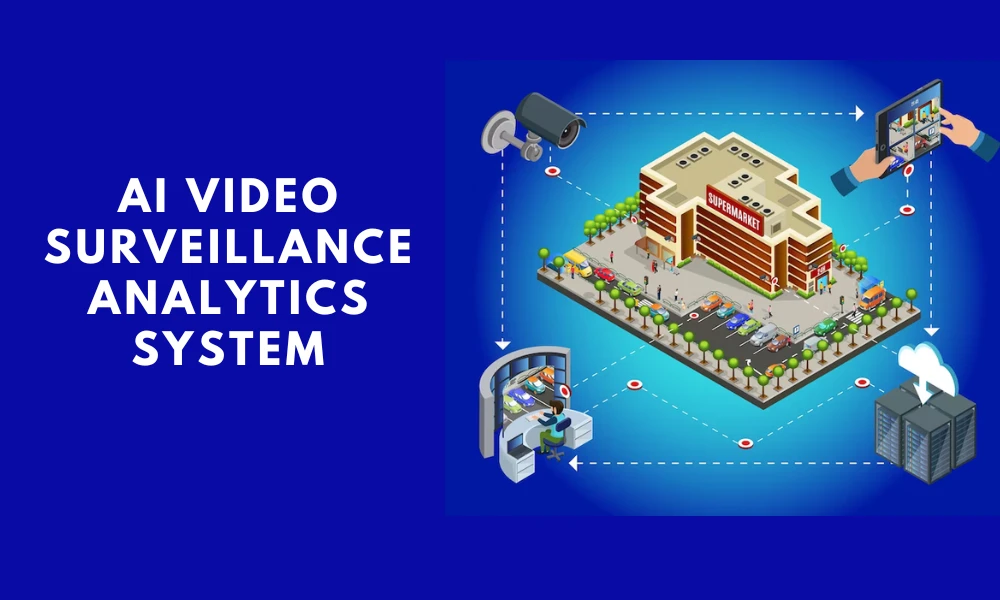

In the realm of video analytics, Artificial Intelligence (AI) has emerged as a transformative force. As the world becomes increasingly digital and interconnected, the demand for advanced video analytics software equipped with AI capabilities has soared. We will delve into the profound impact of AI on video analytics software, exploring the remarkable growth it has experienced and its implications for various industries.
Introduction
The integration of AI into video analytics software has revolutionized the way we perceive and utilize video data. This technology not only enhances the efficiency of surveillance systems but also introduces a new dimension to security, business intelligence, and data-driven decision-making.
The Evolution of AI in Video Analytics Software
Early Stages
AI-powered video analytics had humble beginnings. In the early stages, basic motion detection and object tracking were the primary functions of such systems. These systems could identify movement in video feeds, but their accuracy and reliability left much to be desired.
Advancements in Deep Learning
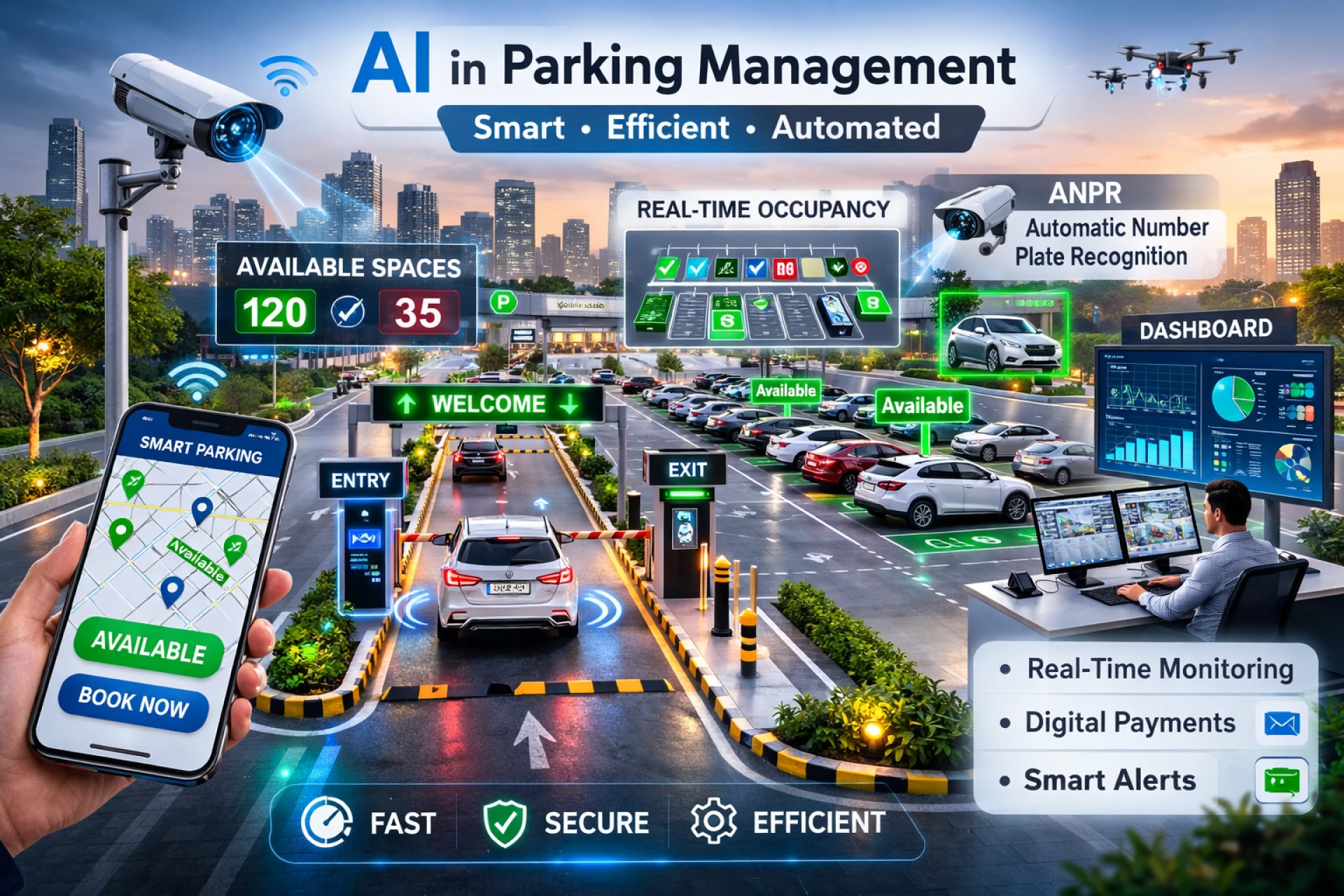
The breakthroughs in deep learning, particularly Convolutional Neural Networks (CNNs), brought about a seismic shift in video analytics. These advanced algorithms enabled video analytics systems to recognize and classify objects with unparalleled precision. Whether it was identifying a specific face in a crowd or detecting a vehicle's license plate, AI-powered video analytics became capable of intricate tasks.
Real-Time Analytics
One of the most significant advancements was real-time analytics. AI-driven video surveillance analytics systems could process massive amounts of video data in real-time, enabling rapid responses to potential security threats or operational issues. This capability has made these systems invaluable for security agencies and organizations seeking to protect their assets.
Behavioral Analysis
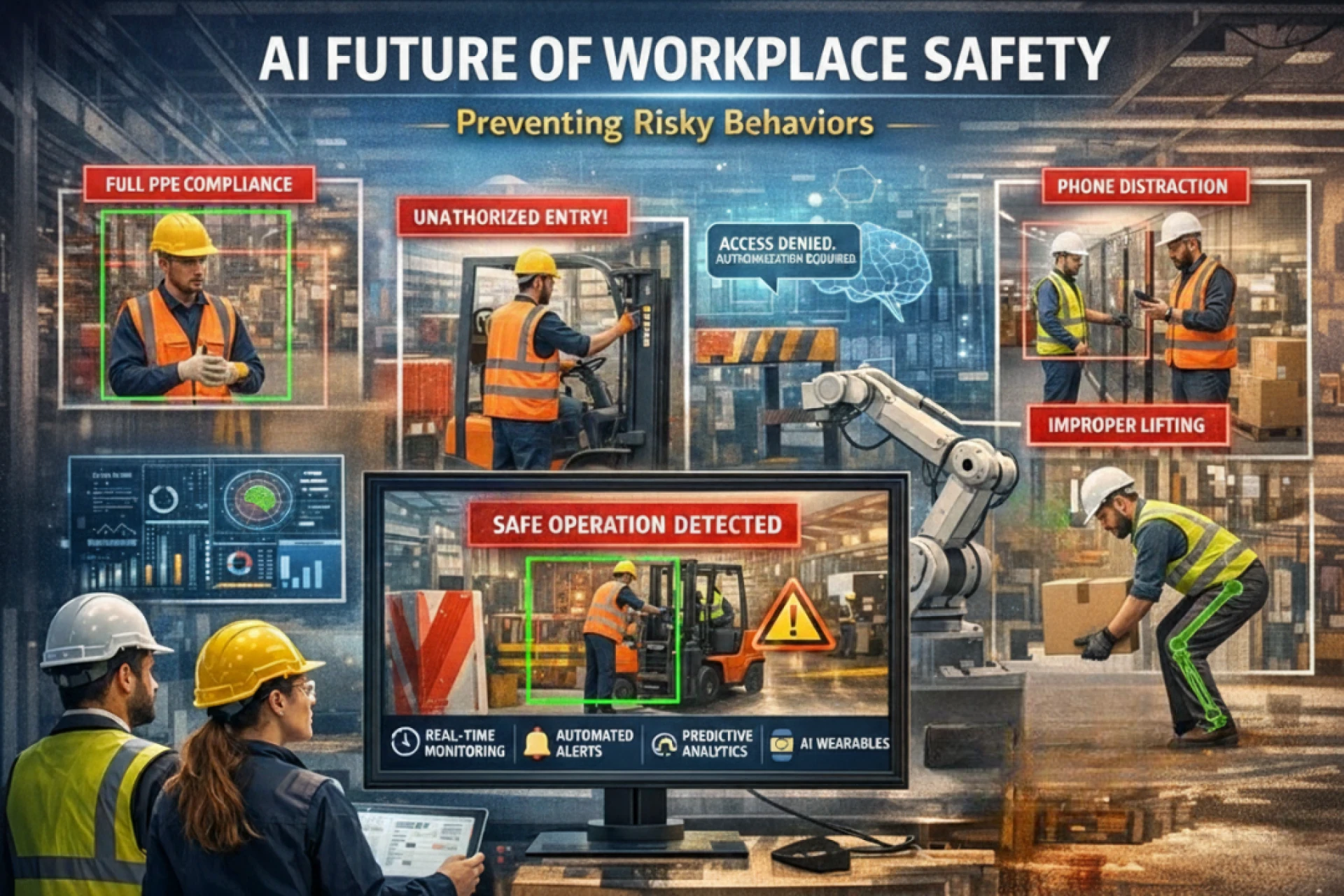
Beyond mere object recognition, AI has expanded into behavioral analysis. Now, video analytics systems can not only identify objects but also discern unusual patterns of behavior. This is particularly beneficial for identifying potential security breaches or even predicting accidents in industrial settings.
Industries Transformed by AI Video Surveillance Analytics
Security and Law Enforcement
The security and law enforcement sectors have been quick to adopt AI video surveillance analytics systems. These systems are instrumental in tracking and identifying individuals, monitoring public spaces, and enhancing overall safety. AI can help detect suspicious behavior, identify known criminals, and predict potential threats.
Retail
In the retail industry, AI-driven video analytics have transformed the shopping experience. Retailers use these systems for customer behavior analysis, optimizing store layouts, and preventing theft. Moreover, these analytics provide insights into customer preferences, allowing businesses to personalize marketing strategies.
Transportation
In the transportation sector, AI video analytics play a vital role in traffic management and safety. These systems monitor traffic flow, identify accidents, and manage congestion. They are also used in autonomous vehicles for real-time decision-making and collision avoidance.
Healthcare
Hospitals and healthcare facilities utilize AI video surveillance analytics for patient monitoring, ensuring patient safety, and detecting unauthorized access to sensitive areas. These systems can also aid in contactless patient check-ins and the management of healthcare resources.
Manufacturing
Manufacturers employ AI video analytics to enhance safety, quality control, and operational efficiency. These systems can identify defects in products, monitor equipment health, and ensure compliance with safety regulations. Predictive maintenance based on AI analysis can significantly reduce downtime.
Future Prospects
The growth of AI in video analytics software is far from over. As technology continues to advance, we can expect even more sophisticated capabilities in the coming years.
Edge Computing
Edge computing is set to play a pivotal role in AI video surveillance analytics. By processing data closer to the source, these systems can minimize latency and respond faster to critical events.
Enhanced Accuracy
AI algorithms will continue to improve, enhancing the accuracy of object recognition and behavior analysis. This will reduce false alarms and improve the overall effectiveness of video analytics systems.
Integration with IoT
The integration of AI video analytics with the Internet of Things (IoT) will create a network of interconnected sensors and cameras, providing a more comprehensive view of environments and enabling more informed decision-making.
Privacy Concerns
The increased adoption of AI in video analytics will also raise concerns about privacy and data security. Striking the right balance between enhanced security and individual privacy will be a significant challenge in the coming years.
Conclusion
AI's growth in video analytics software has been nothing short of extraordinary. From its humble beginnings in basic motion detection to the complex behavioral analysis capabilities it offers today, AI has transformed the landscape of video analytics. Its impact spans across multiple industries, from security and retail to transportation and healthcare, revolutionizing the way we gather, interpret, and act upon video data.
As we look to the future, the synergy between AI, video analytics, and emerging technologies like edge computing and IoT promises even greater possibilities. However, it also brings forth important ethical and privacy considerations that society must address. In the end, the growth of AI in video analytics software signifies a profound shift in the way we approach surveillance, security, and data-driven decision-making, ushering in a new era of technology-enabled insights and safety.


























Sign in to leave a comment.