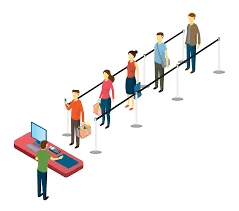

We often discuss employee morale in terms of leadership style, compensation, or company culture. While these factors are undeniably important, a more insidious killer of job satisfaction hides in plain sight: operational friction. These are the invisible, daily bottlenecks—the slow systems, the inefficient handoffs, and the chaotic service queues—that make an employee's job unnecessarily difficult.
For any organization that interacts directly with customers, the management of the waiting line, whether physical or virtual, is a defining factor in employee stress. When the front line is overwhelmed by an unmanaged crowd, their mission shifts from providing quality service to managing conflict and mitigating anger. This constant, unnecessary friction is exhausting, leading directly to burnout, high turnover, and a decline in service quality. The solution isn't mandatory yoga or a bigger break room; it's fixing the process. By strategically implementing a sophisticated customer queue management system, organizations can eliminate these invisible bottlenecks and rescue employee morale by allowing staff to focus on their core expertise.
The Front Line Burnout: The Stress of Unmanaged Chaos
Employees on the front lines—bank tellers, retail specialists, government service agents, or clinic staff—are the faces of the organization. When the service environment is chaotic, they bear the full brunt of customer frustration. This stress creates a cycle of negativity that drains internal resources.
1. The Crowd Control Burden: In a traditional, unmanaged queue environment, employees are forced to spend a significant portion of their day on crowd control. They answer the same questions repeatedly ("How much longer will I wait?"), manage disputes over line cutting, and deal with the elevated anxiety of customers who feel their time is being wasted. This constant distraction pulls the employee away from the meaningful aspects of their job and turns their role into one of stress management, rather than professional service.
2. The Rush-to-Error Pressure: The visual pressure of a long, growing line is immense. Employees feel an external, constant imperative to rush through transactions. This "rush-to-error" syndrome not only degrades the quality of service—making the customer feel impersonalized and hurried—but significantly increases the likelihood of human errors, such as misfiling documents, incorrectly processing payments, or making data entry mistakes. These errors create rework, which further adds to the employee’s workload and stress, perpetuating the cycle of friction.
3. Talent Misallocation and Devaluation: Highly trained specialists are essential for complex service delivery. Yet, when the front end is disorganized, these specialists—a business banker, an advanced technician, or a claims officer—are often pulled away from their high value, focused duties to handle simple administrative tasks simply because the general flow has stalled. This is a direct devaluation of their expertise and a waste of organizational resources. Employees who feel their skills are being underutilized are far more likely to seek employment elsewhere.
4. Erosion of Autonomy and Pride: Employees take pride in providing excellent service. When operational friction—like a slow system or a chaotic waiting room—prevents them from delivering that quality service, their sense of autonomy and professional pride suffers. They know they could do better if the system allowed it, leading to deep frustration that management often misinterprets as a poor attitude.
The Digital Solution: Rescuing Morale Through Flow
An intelligent customer queue management system is not just a customer tool; it is an essential staff retention and morale builder. It eliminates the chaos, empowers the staff, and allows them to focus on the meaningful work they were hired to do.
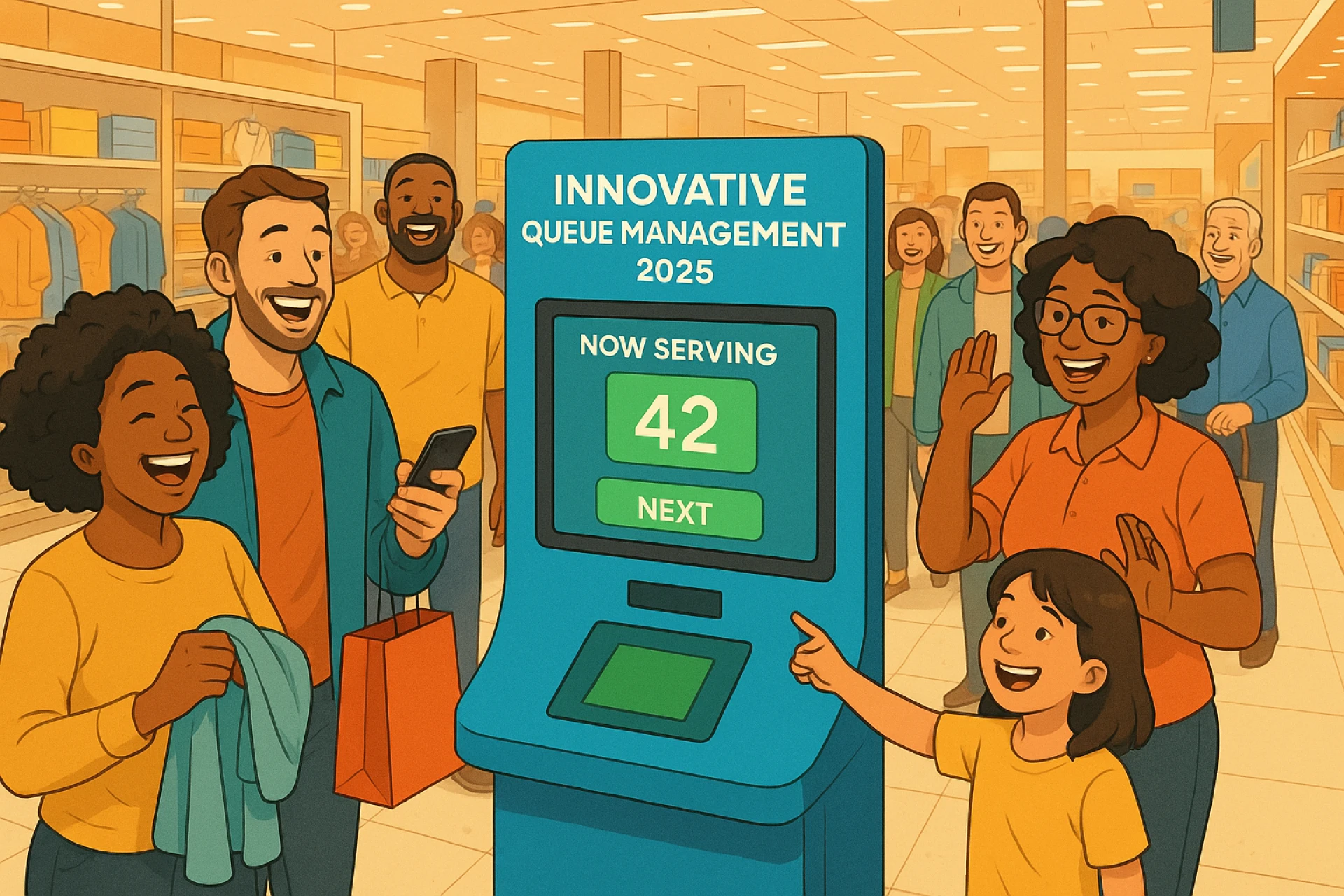
Step 1: Eliminating the Visual Stressor. The first and most critical step is eliminating the physical, visible line. Customers check in via kiosk or mobile app and enter a virtual queue, receiving a reliable wait time estimate via text. This virtual waiting instantly calms the service environment. Employees no longer feel the heavy weight of an impatient crowd staring at them, allowing them to focus on the customer currently being served without the looming pressure of the next twenty people.
Step 2: Intelligent Triage for Focused Work. The customer queue management system automatically directs customers based on their specific needs: "Quick Transaction," "Complex Filing," or "Pre Scheduled Appointment." This crucial triage ensures that the staff member is matched with a task appropriate for their training and specialization. A simple transaction is routed to a generalist, and the complex civil filing is routed to the specialized expert. This intelligent flow, supported by a platform like Qwaiton, makes the employee’s job more meaningful and less stressful by eliminating the "jack of all trades" chaos.
Step 3: Proactive Preparation and Seamless Handoffs. The system provides the service agent with advanced notice of the customer's arrival and purpose. This allows the employee to pull up the customer's file, gather necessary forms, or consult internal resources before the customer reaches the counter. This preparation eliminates the frustrating moments of "dead time" during the service interaction, making the employee feel competent and efficient. The digital handoffs are seamless and instant, eliminating the need for staff to physically search for files or documents.
The Morale Dividend: Data Driven Empowerment
The long term benefit of a digital customer queue management system is the data it provides, which empowers management to make evidence based decisions that directly support their team.
Optimizing Staff Schedules: The system tracks the actual time required for every service type and the busiest hours of the day. This precise data allows managers to staff the front line perfectly, matching specialized labor to demand. This ensures that staff are not sitting idle during slow times or, critically, that they are not overwhelmed and understaffed during peak periods. By showing employees that their schedules are scientifically optimized to reduce stress, a system like Qwaiton demonstrates a genuine commitment to their wellbeing.
Fair Performance Metrics: The data provides objective metrics on service delivery, moving beyond subjective customer complaints about wait times. Managers can see an employee's actual efficiency, allowing them to provide fair and constructive feedback. Employees appreciate that their performance is measured on the quality of their service, not just the speed at which they try to clear a chaotic line. This clarity builds trust and reduces resentment.
A Professional Environment: By eliminating the visible line and the need for crowd control, the entire service environment becomes more professional, calm, and focused. Employees can engage with customers respectfully and efficiently, which naturally leads to more positive interactions and higher job satisfaction. They can once again take pride in delivering excellent service, not just surviving the rush.
Conclusion: Investing in Flow is Investing in People
The friction factor—the daily grind of battling an unmanaged service environment—is a silent killer of employee morale and a primary driver of staff turnover. Complacency about service bottlenecks is not a neutral management decision; it is a costly choice that directly impacts employee health and operational quality.
By embracing a sophisticated customer queue management system, organizations are not just streamlining service for the customer; they are making a profound investment in their people. They are eliminating the unnecessary chaos, empowering their staff with control and clarity, and allowing them to focus on the meaningful work they were hired to do. The quickest path to higher employee morale is creating a friction free, respectful, and efficient workplace.

























Sign in to leave a comment.