

The repair shop—whether for electronics, appliances, or specialized equipment—is a business built on fixing things. Yet, for many customers, the most broken part of the experience is the service process itself. They are frustrated by the initial interaction: the long line to drop off a device, the chaotic check in procedure, and the agonizing, unpredictable wait to speak to a technician or service advisor.
This friction point—the initial intake of a troubled item—is more than just an inconvenience; it’s a critical bottleneck that affects customer satisfaction, service center efficiency, and ultimately, profitability. Customers bring their items to the repair shop seeking relief, but they are often greeted with the stress of disorganized operations. The stress associated with a broken device is compounded by the stress of a broken process.
For modern repair centers aiming to scale and maintain a reputation for quality, the traditional walk up counter is obsolete. The key to moving from chaos to efficiency is adopting a structured, intelligent approach to customer and item flow. We need to shift the focus from merely fixing the hardware to fixing the service process, and the core tool for this transformation is a sophisticated, dedicated queue management system.
The Service Intake Slowdown: A Triple Threat
The conventional approach to handling returns, diagnostics, and item drop offs creates significant operational and customer experience problems.
1. Customer Time Drain and Frustration: Customers who have taken time out of their day to drop off a broken item are highly sensitive to waiting. When they encounter a single line that mixes simple pickups with complex diagnostic intakes and payment processes, the wait time becomes unacceptable. They feel their time is disrespected, and this negativity taints the entire repair perception, regardless of how good the final fix is.
2. Technician Time Misallocation: Highly trained technicians or specialized service advisors should be focused on the technical aspects of intake, which involve initial troubleshooting and detailed documentation. Instead, without a proper system, they are frequently called upon to handle basic administrative tasks, direct traffic, or repeatedly apologize for the long wait. This pulls them away from billable, high value work and reduces the center's overall diagnostic capacity.
3. Data Loss and Error Cascade: A chaotic environment increases the likelihood of errors. When service advisors are rushed, key details about the malfunction can be missed, miswritten on a paper form, or incorrectly entered into the system. This initial error can cascade down the workflow, leading to delays in the repair, the wrong parts being ordered, or a failure to properly diagnose the root cause—all of which lead to costly rework and customer dissatisfaction.
The Flow Revolution: A Cloud System for Zero Waiting
A modern, application focused cloud system addresses these deep rooted issues by structuring the entire service intake journey. It turns the repair drop off from a chaotic bottleneck into a seamless, professional experience.
1. Digital Check In and Intent Triage
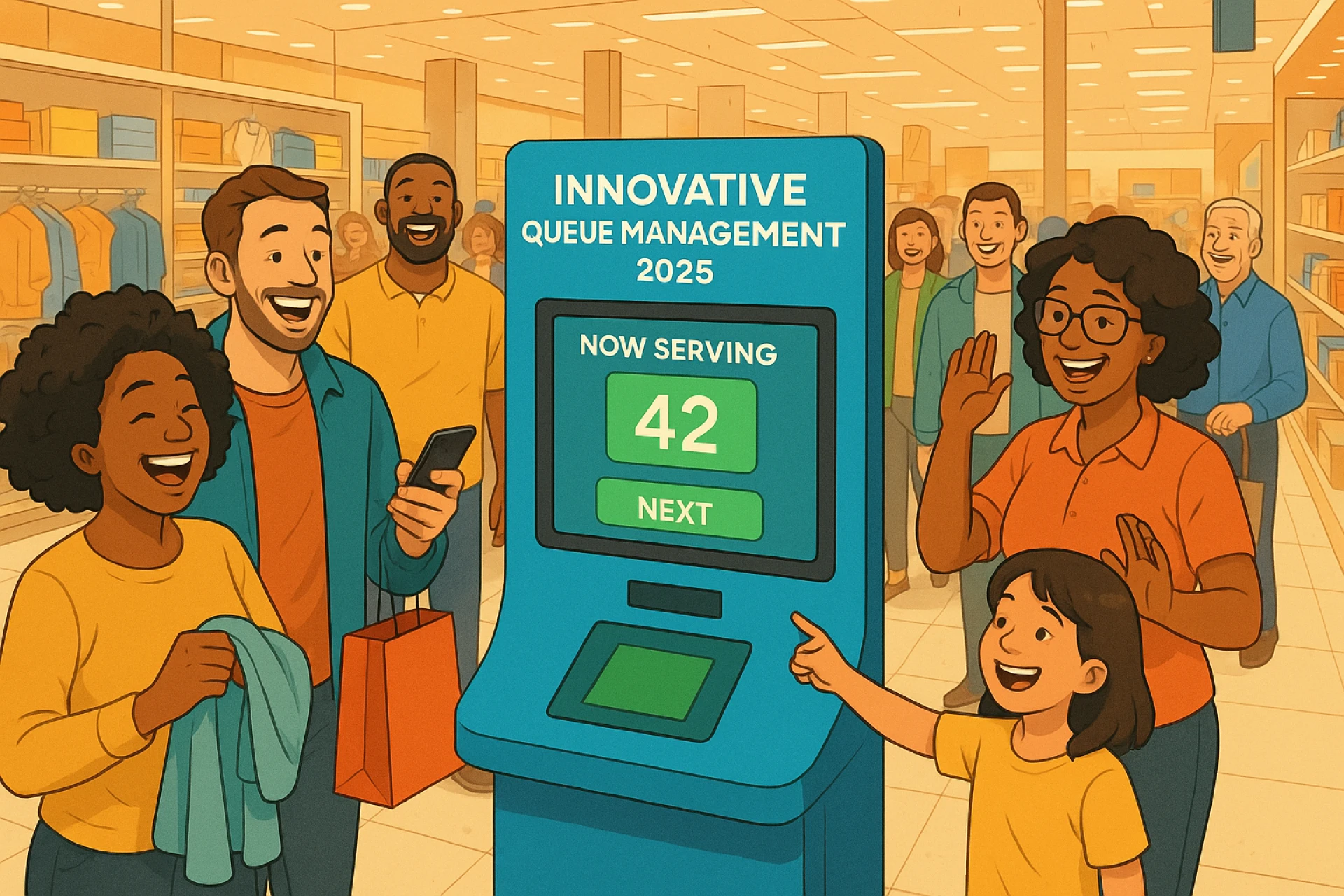
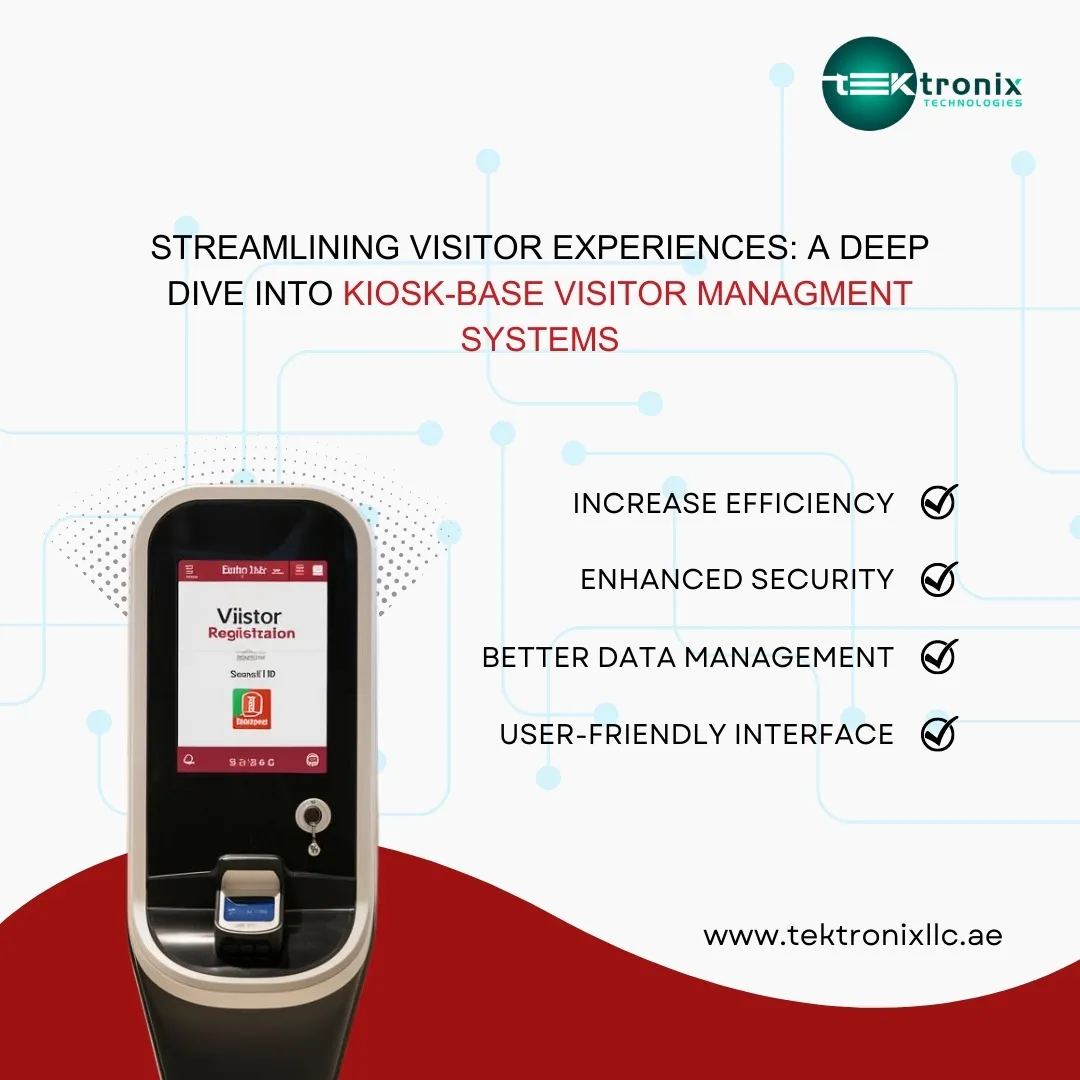
The elimination of waiting starts before the customer physically reaches a counter. The moment the customer arrives, they are guided to a digital check in point, such as a kiosk, a dedicated tablet, or a simple QR code on their mobile device.
During this check in, the system asks the crucial question: What are you here for? (e.g., Warranty Drop Off, Paid Diagnostic, Item Pickup, Payment/Closing). This instantly triages the customer, performing two key functions:
- Creates the Virtual Queue: The customer enters a virtual line, free to sit down, browse accessories, or use a charging station while they wait. They receive a text message or a visible alert when a specialist is ready.
- Allocates the Right Resource: Simple pickups or payments are routed to a quick, dedicated checkout station. Complex diagnostic requests are routed to the specialized technician bays. This intelligent segmentation, a fundamental feature of any reliable queue management system, ensures that no one is delayed by a task that doesn't apply to them.
2. Workflow Automation and Documentation Prep
Once the customer is in the system, the platform starts working immediately. The service advisor is alerted and, critically, the system pulls up any available customer and product history.
Before the advisor even greets the customer, they have the model number, warranty status, and a brief description of the issue the customer entered during check in. This allows the conversation to immediately focus on the complex technical details, rather than wasting the first five minutes on basic data collection. This dramatically speeds up the intake process, raising the professional tone of the interaction.
A leader in this technology, such as Qwaiton, ensures that all necessary digital forms are populated automatically, reducing the advisor’s data entry time and virtually eliminating transcription errors. This focus on backend automation is what creates the appearance of effortless, zero wait service for the customer.
3. Real Time Service Coordination and Transparency
A sophisticated queue management system doesn't just manage the customer line; it manages the item flow. Once the item is officially checked in, the system assigns a digital job ticket that follows the item throughout the entire repair journey.
The cloud system allows the customer to view the status of their repair in real time via a secure link on their phone. They can see when the item moves from "Intake Complete" to "Technician Assessment" to "Awaiting Parts" and finally, "Ready for Pickup." This proactive transparency eliminates the constant, time consuming phone calls to the service center, freeing up advisors to focus on new intakes.
For the internal team, the system, especially one provided by a robust platform like Qwaiton, ensures technicians are instantly notified when a new job is ready at their bay. It tracks the average diagnostic time, flags jobs that are exceeding their expected timeline, and intelligently routes available technicians to clear the backlog. This coordination guarantees zero wasted time between jobs, maximizing shop utilization.
The Outcome: Loyalty and Profit
The investment in a smart queue management system is not an operational expense; it is a direct investment in customer loyalty and shop throughput.
1. Increased Customer Loyalty: By honoring the customer’s time and making the drop off process professional and stress free, the repair center creates a positive emotional connection. The transparency during the repair process maintains that trust, leading to repeat business and positive referrals.
2. Maximized Technician Productivity: When technicians are freed from administrative burden and never wait for the next job or the correct paperwork, their billable hours soar. This increase in throughput, enabled by the systematic flow management, translates directly into higher revenue without increasing the size of the repair team.
3. Data Driven Improvements: The system provides powerful insights into bottlenecks—Is the issue a lack of parts? Is a specific diagnostic process taking too long? This data allows management to make precise adjustments, ensuring the service flow is constantly optimized.
The repair shop of the future is defined not just by the skill of its technicians, but by the efficiency of its process. By adopting a dedicated queue management system, repair centers can guarantee zero waiting, turning the stressful moment of a broken device into a smooth, professional service experience.


























Sign in to leave a comment.