
Pop up retail is one of the most exciting and dynamic trends in the modern marketplace. For established brands, a pop up offers a chance to test new markets or launch experimental products. For emerging businesses, it's a vital, cost effective way to build buzz and connect with customers face to face, turning digital followers into physical buyers. The very essence of a pop up is high energy, high visibility, and short term intensity.
However, this rapid, temporary nature creates a unique and often critical problem: scaling customer service flow. A traditional, permanent store has months to fine tune its operational process. A pop up must be fully functional—and highly efficient—from day one. When a brand successfully generates buzz, the result is often an immediate influx of customers, which can quickly overwhelm a hastily arranged service area, leading to long lines, confused staff, and a collapse of the very excitement the brand sought to create.
The success of a temporary retail venture hinges on solving this "pop up puzzle." How can a business manage the intense, unpredictable crowds and varied customer needs—from product inquiries to mobile order pickups—without the time or infrastructure for complex, permanent systems? The solution is to leverage flexible, powerful digital infrastructure that can be deployed instantly: a modern, agile cloud based queue management system.
The Fragility of Temporary Service
The operational pain points in a pop up store are magnified because the entire customer interaction is condensed and the stakes for a positive first impression are incredibly high.
1. Unpredictable Demand Spikes: Pop ups often launch with a limited edition product or a social media campaign designed to create instant foot traffic. This success can lead to sudden, uncontrollable crowds that turn the sales floor into a logistical nightmare. Staff are immediately pulled away from sales to manage unruly lines, and the temporary service desk becomes a chaos point.
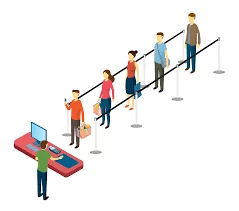
2. Physical Constraints and Space Limitations: Pop up spaces are frequently small, unusual, or unconventional—perhaps a corner of a larger store, a temporary booth, or a refurbished old space. There is no room for massive, winding stanchions or long physical queues. The traditional method of line management is simply not physically viable, forcing staff to improvise, which inevitably leads to confusion and customer frustration.
3. Training and Staff Deployment Speed: Pop ups rely on temporary staff or existing team members who are quickly cross trained. They do not have the months required to memorize complex operational procedures or manual paper based service lists. The service system must be simple, digital, and intuitive enough to be mastered in minutes, ensuring staff are focused on selling and engaging, not on managing tickets.
4. The Lost Momentum Problem: The primary goal of a pop up is to generate rapid, positive buzz. A customer who waits thirty minutes in a poorly managed line is far more likely to post a negative review online than a positive one. The single worst service interaction can instantly derail the positive momentum of the entire temporary campaign.
The Agile Solution: Instant Digital Flow
The nature of the pop up requires a service solution that is as flexible and fast to deploy as the store itself. A cloud based queue management system offers this necessary agility, transforming a space limited operation into a smooth, service driven hub.
1. Instant Virtual Check In and Zero Footprint Waiting
Since physical space is the pop up's biggest constraint, the system must immediately eliminate the physical line.
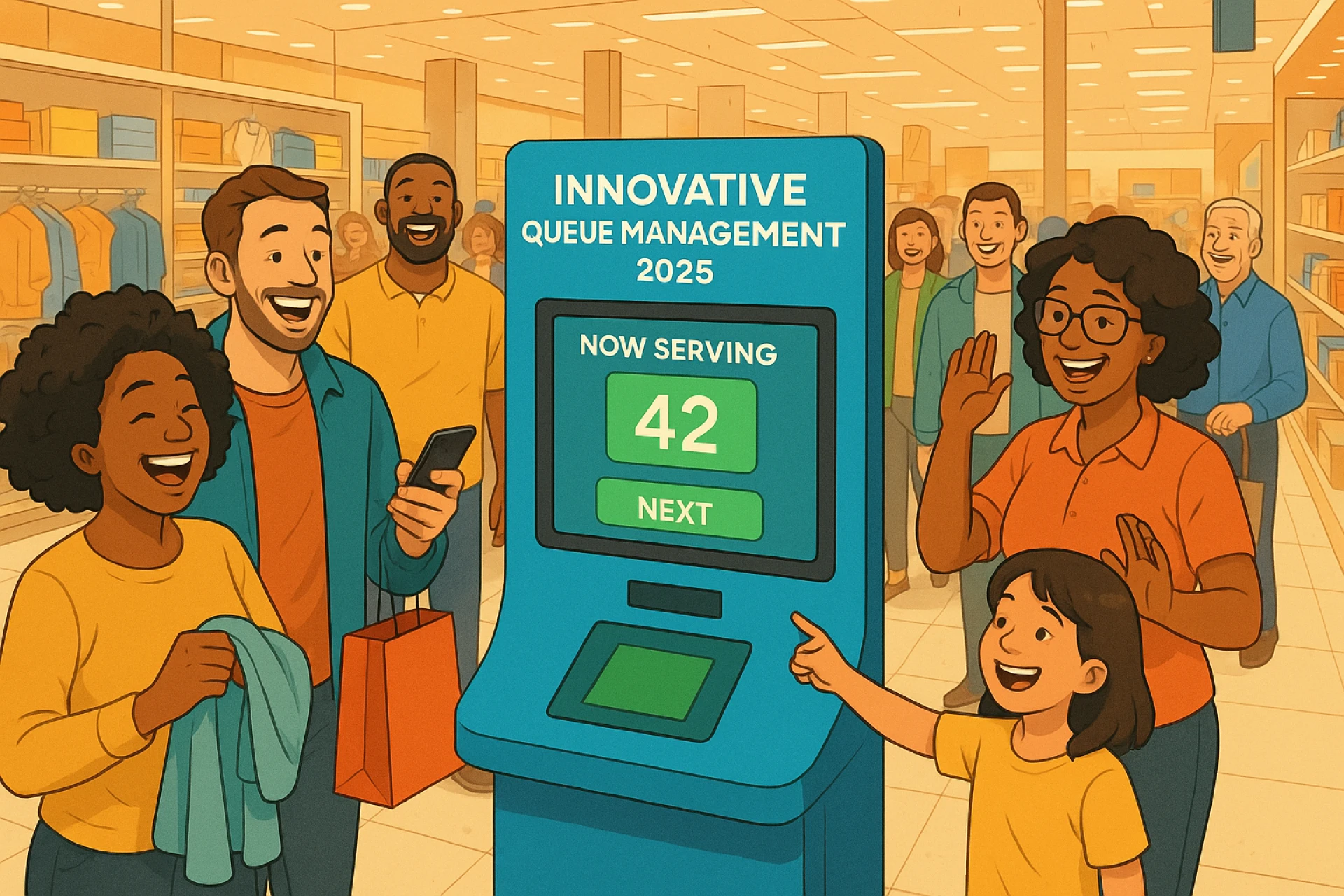
- QR Code Entry: A customer enters the virtual queue simply by scanning a large, clear QR code displayed prominently at the entrance or service desk. They use their own mobile phone, requiring zero physical hardware beyond a sign.
- Service Triage at Entry: The system guides the customer to select their specific need: "Browse Consultation," "Online Order Pickup," or "Simple Checkout." This instant triage creates segmented virtual queues—a quick pickup is separated from a detailed product fitting or consultation.
The customer is now free to wait comfortably anywhere, even browsing the product displays. This is the critical win for a small pop up space: the waiting line is moved entirely to the digital realm, allowing the physical space to focus purely on selling and product display. The rapid deployment of this flow is simple using a system like Qwaiton.
2. Dynamic Staffing for Unpredictable Crowds
A cloud based queue management system is essential for managing the unpredictable demand spikes that characterize successful pop ups.
- Real Time Load Balancing: The system provides staff with a dashboard that shows the exact number of people waiting for each service. If the "Product Consultation" queue suddenly surges, floor managers get an instant alert, allowing them to pull available staff members onto the service desk immediately, preventing a bottleneck before it forms.
- Flexible Staff Roles: The simplicity of the digital routing means that staff members can easily transition between sales and service roles. They don't need complex training to manage the system; they simply need to know which virtual queue they are assigned to. This multi tasking ability is vital in the lean operational model of a pop up.
This ability to dynamically allocate resources is key to maintaining service quality even when crowds exceed expectations.
3. Cloud Based Queue Management System: Data for Instant Feedback
The speed of the pop up often means there’s no time for traditional, weeks long operational analysis. The beauty of a cloud based queue management system is that it provides instant, actionable data that can be used to improve the service flow during the pop up's short run.
The system tracks:
- Average Service Time: Did "Online Order Pickup" take 3 minutes, but "Fitting Consultations" take 18 minutes? This data allows managers to immediately adjust staff assignments to match the actual service demands.
- Peak Hour Analysis: The system shows exactly when the service demand peaks, allowing for precise scheduling adjustments for the remaining days of the pop up.
Using data from a platform like Qwaiton, the brand can receive an operational report on Monday morning and implement changes by Monday afternoon, ensuring the experience is constantly optimizing throughout the temporary run.
Scaling Buzz, Not Chaos
The pop up is an investment in excitement and customer experience. The final impression must be one of efficiency and cutting edge service, not disorganization.
By implementing a cloud based queue management system, the brand proves that its technology is as modern and agile as its concept. It guarantees that the moment of purchase or interaction is seamless, even in a temporary, space constrained environment. This transformation ensures that the viral buzz the brand creates is about the product and the experience, not the line. Solving the pop up puzzle is a matter of digital strategy, turning temporary retail service into a highly efficient, scalable retention tool.





















Sign in to leave a comment.