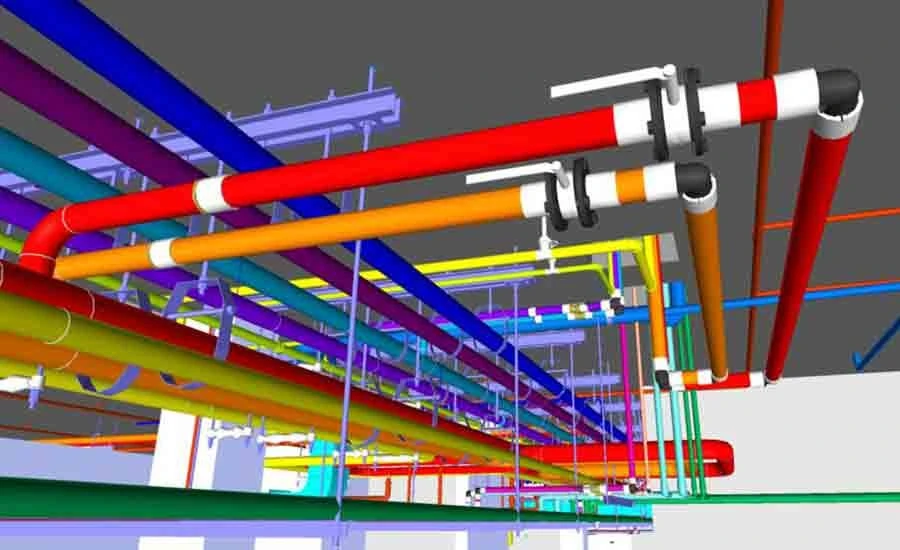

As the construction industry continues to evolve in the face of technological advancements, environmental concerns, and shifting market dynamics, the role of Mechanical, Electrical, and Plumbing (MEP) services is becoming increasingly crucial. MEP services encompass a wide range of engineering disciplines that are essential for the design, installation, and maintenance of building systems. In this blog, we explore how MEP services are driving industry transformation and shaping the future of construction.
Understanding MEP Services
MEP services encompass the design, installation, and maintenance of mechanical, electrical, and plumbing systems in buildings. Mechanical systems include heating, ventilation, and air conditioning (HVAC), while electrical systems cover lighting, power distribution, and telecommunications. Plumbing systems involve water supply, drainage, and fire protection. MEP engineers ensure that these systems function efficiently, safely, and sustainably, meeting the needs of building occupants while complying with regulatory requirements.
The Growing Importance of MEP Services
In today's construction landscape, MEP services play a critical role in ensuring the functionality, safety, and sustainability of buildings. With increasing emphasis on energy efficiency, indoor air quality, and occupant comfort, MEP engineers are tasked with designing and implementing innovative solutions that meet these evolving demands. As buildings become more complex and interconnected, the need for skilled MEP professionals continues to grow, driving demand for specialized expertise in the field.
Advancements in Building Technology
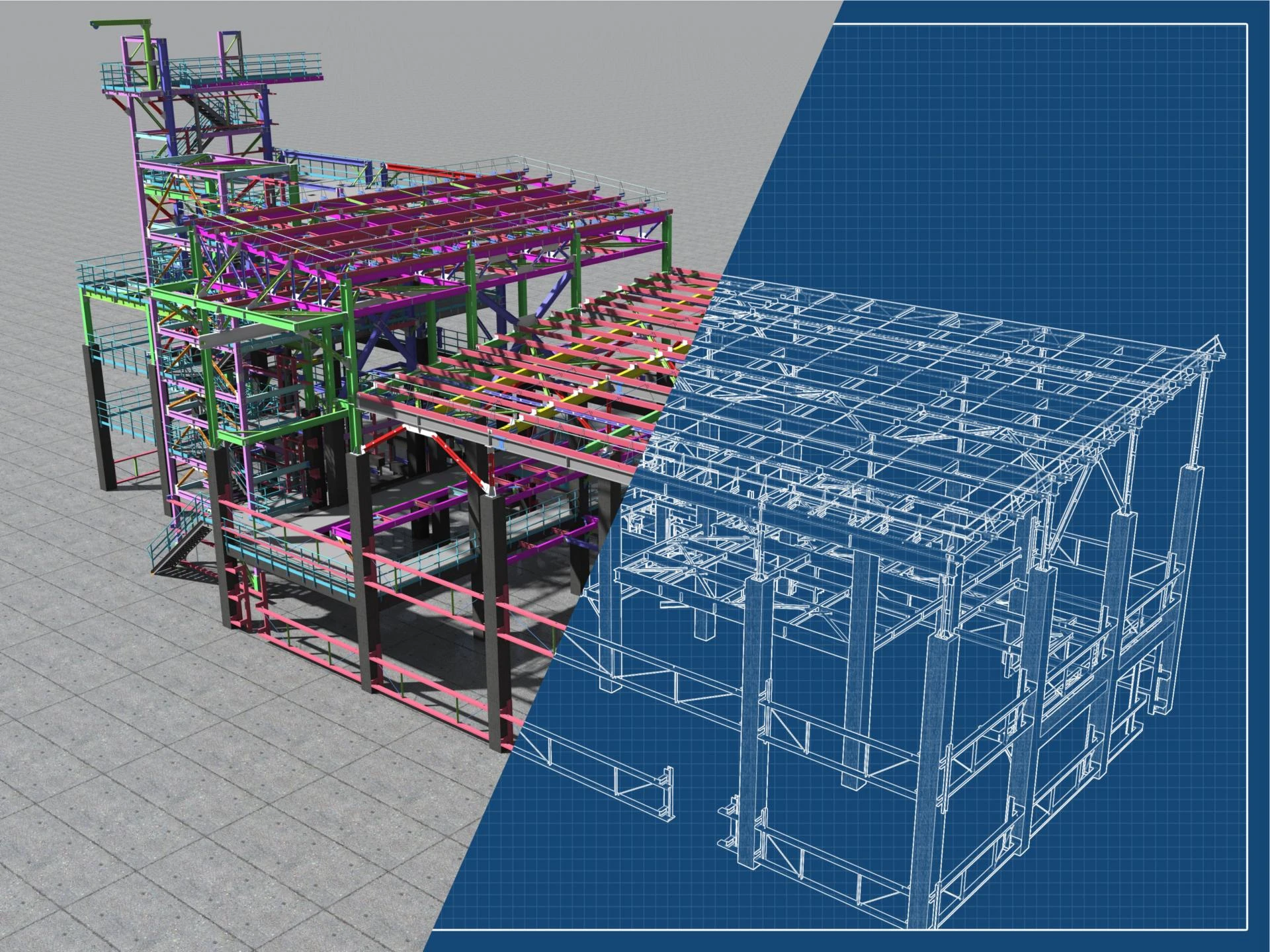
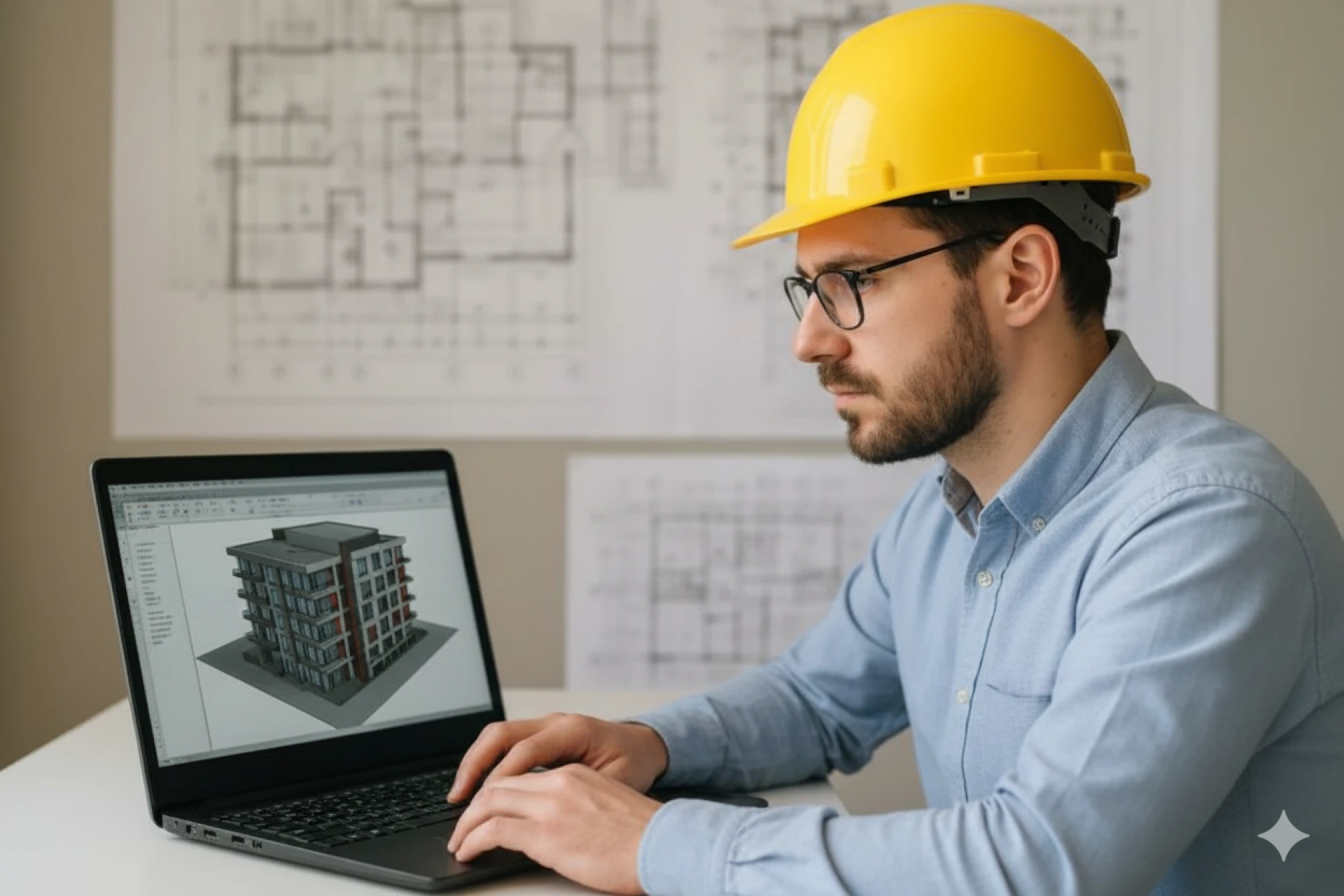
Technological advancements are reshaping the way MEP services are delivered and integrated into building design and construction processes. Building Information Modeling (BIM) software allows MEP engineers to create detailed digital models of building systems, enabling better coordination, clash detection, and visualization during the design phase. Additionally, smart building technologies, such as IoT sensors, automation systems, and predictive analytics, are transforming how MEP systems are monitored, controlled, and optimized for performance.
Sustainability and Energy Efficiency
Sustainability has become a central focus in modern construction practices, and MEP services play a key role in achieving energy efficiency and environmental sustainability goals. MEP engineers are tasked with designing energy-efficient HVAC systems, incorporating renewable energy sources, and implementing water-saving measures to minimize the environmental impact of buildings. By optimizing building performance and reducing resource consumption, MEP services contribute to a more sustainable built environment.
Resilience and Disaster Mitigation
With the increasing frequency and severity of natural disasters and climate-related events, resilience has become a critical consideration in building design and construction. MEP services are integral to ensuring the resilience of buildings against various hazards, including floods, hurricanes, earthquakes, and wildfires. By designing robust MEP systems that can withstand extreme conditions and minimize downtime, engineers help enhance the safety and resilience of buildings and protect occupants and assets.
Adapting to Changing Needs and Trends
The construction industry is constantly evolving to meet changing needs and emerging trends, and MEP services must adapt accordingly. As building designs become more flexible and adaptable to different uses, MEP engineers are tasked with designing systems that can easily be modified or upgraded over time. Additionally, emerging trends such as off-site construction, modular building, and digital fabrication present new opportunities and challenges for MEP services, requiring engineers to stay abreast of the latest developments and technologies.
The Role of MEP Services in Health and Wellness
The importance of indoor environmental quality and occupant well-being has gained prominence in building design and construction, particularly in light of the COVID-19 pandemic. MEP services play a critical role in ensuring healthy indoor environments by designing systems that provide adequate ventilation, filtration, and thermal comfort. Additionally, lighting design and acoustic considerations contribute to creating spaces that promote productivity, comfort, and well-being.
Collaboration and Integration
Collaboration and integration are essential for the successful delivery of MEP services in construction projects. MEP engineers work closely with architects, structural engineers, and other stakeholders to coordinate building systems and ensure compatibility with architectural and structural designs. By fostering collaboration and communication among project teams, MEP services help streamline workflows, minimize conflicts, and optimize project outcomes.
Conclusion
MEP services are driving industry transformation and shaping the future of construction by addressing evolving needs, embracing technological advancements, and promoting sustainability, resilience, and occupant well-being. ENGISOFT ENGINEERING - BIM Staffing & BIM Services As buildings become more complex and interconnected, the role of MEP engineers in designing and implementing innovative solutions will continue to grow in importance. By leveraging their expertise, creativity, and collaborative spirit, MEP professionals are poised to lead the construction industry into a more sustainable, resilient, and technologically advanced future.



























Sign in to leave a comment.