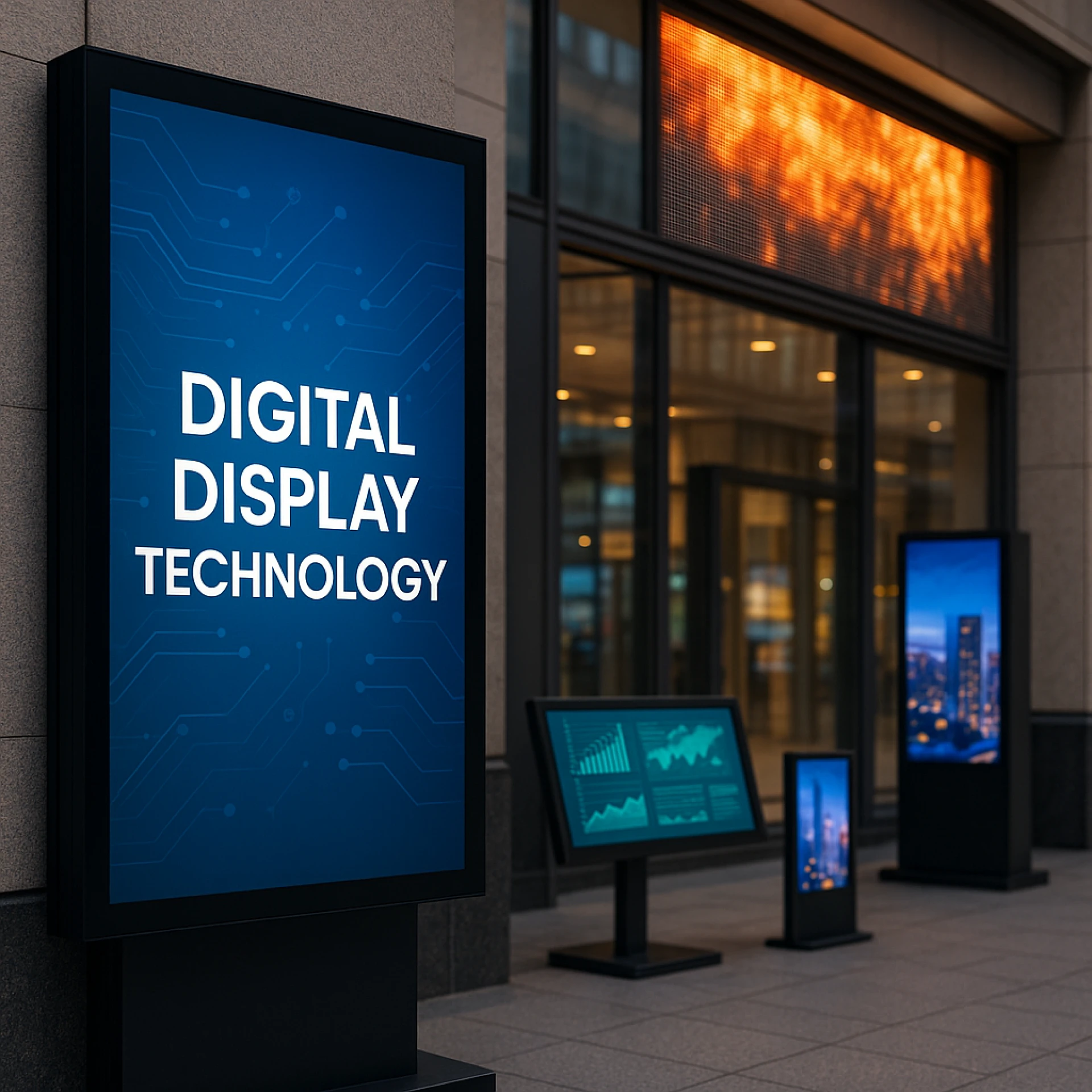

The Evolution of Display Technology: Shaping the Future of Visual Communication
Introduction
From the early days of cathode-ray tube (CRT) screens to today’s cutting-edge OLED and interactive digital displays, display technology has undergone a remarkable transformation. It has reshaped how we view, interact with, and interpret visual information — influencing everything from entertainment and education to business communication and digital marketing.
In the digital age, visual presentation is not just about clarity or color — it’s about experience, engagement, and innovation. Display technology is the backbone of modern communication, enabling brands, creators, and consumers to connect more effectively in both physical and digital environments.
What Is Display Technology?
Display technology refers to the electronic visual display systems that present information, graphics, videos, and interactive content on devices like TVs, monitors, smartphones, and digital signage. It encompasses a wide range of formats and components, including:
- LCD (Liquid Crystal Display) – Commonly used in televisions, monitors, and smartphones.
- LED (Light Emitting Diode) – Offers brighter visuals, energy efficiency, and long lifespan.
- OLED (Organic LED) – Delivers superior contrast, deeper blacks, and flexible screen designs.
- MicroLED – An emerging technology that combines the benefits of OLED and LED for stunning brightness and durability.
- E-Ink Displays – Popular in e-readers for low power consumption and paper-like readability.
- Projection Displays – Used in cinema and large-scale events for immersive viewing experiences.
Display technology is constantly evolving — moving toward higher resolutions, smarter integration, and interactive features that elevate human-machine interaction.
The Evolution of Display Technology
1. CRT Era – The Beginning
The journey began with Cathode Ray Tube (CRT) technology in the early 20th century. CRTs were bulky but groundbreaking at the time, enabling television and computer screen development. They paved the way for electronic visual communication and mass media.
2. The LCD Revolution
In the 1990s, LCD displays transformed the world of visuals. They were thinner, lighter, and more energy-efficient than CRTs. LCDs made personal computers, laptops, and mobile phones more compact and user-friendly, setting the standard for portable devices.
3. The Rise of LED and OLED
As demand grew for higher-quality visuals, LED and later OLED displays emerged. LEDs provided better brightness and efficiency, while OLED introduced vibrant colors and deeper contrasts, offering a lifelike experience.
4. Smart Displays and Interactive Panels
In the 2010s, display technology became interactive and intelligent. Touchscreens, gesture control, and AI-powered displays changed how people interact with technology. These advancements powered smartphones, ATMs, digital signage, and smart TVs.
5. The Future: Flexible, Transparent, and Immersive Displays
Today’s research focuses on flexible, foldable, transparent, and holographic displays. These technologies are shaping the next generation of smart devices, wearable gadgets, and digital environments. Innovations like MicroLED and Quantum Dot displays promise ultra-realistic visuals with improved energy efficiency.
Applications of Display Technology
1. Consumer Electronics
Display technology defines user experience in devices like TVs, smartphones, tablets, and wearables. Consumers now expect 4K, 8K, and HDR visuals with seamless touch interactivity and minimal power use.
2. Automotive Industry
Modern vehicles use digital dashboards, HUDs (Head-Up Displays), and infotainment screens to enhance driver safety and convenience. Advanced OLED and MicroLED panels enable futuristic car interiors.
3. Healthcare
High-resolution medical displays are used for diagnostic imaging, surgery assistance, and patient monitoring. Accurate visuals can significantly improve decision-making and patient outcomes.
4. Retail and Advertising
One of the fastest-growing areas is digital signage — a product of advanced display technology. Businesses use digital billboards, video walls, and standees to communicate dynamically with customers, creating real-time engagement and measurable impact.
5. Education and Corporate Communication
Interactive whiteboards, smart classrooms, and digital presentation tools have revolutionized how people learn and collaborate. Display technology enables multimedia learning, remote conferencing, and enhanced productivity.
How Display Technology Impacts Business Communication
Display technology has become a vital communication medium across industries. Businesses now rely on visual storytelling to capture attention, inform, and persuade. Here’s how:
- Enhanced Engagement: Bright, vivid, and dynamic displays attract more attention than static posters or print ads.
- Real-Time Updates: Digital displays can be updated instantly with new information, promotions, or alerts.
- Cost-Efficiency: Though the initial setup cost is high, it reduces recurring printing and distribution costs.
- Data-Driven Insights: Smart digital displays can track engagement metrics and integrate with analytics tools.
- Sustainability: Reducing paper waste supports eco-friendly initiatives, aligning with global sustainability goals.
Trends Driving the Future of Display Technology
1. Smart and Connected Displays
Internet of Things (IoT)-enabled displays connect devices and networks, enabling remote management, automation, and analytics. These smart systems adjust brightness, content, and timing based on user behavior or environmental conditions.
2. Transparent and Foldable Displays
Innovations in OLED materials have made transparent and flexible screens possible. These are being used in architecture, retail displays, and automotive windshields to merge functionality with aesthetics.
3. 8K and Beyond
Ultra-high-definition resolutions like 8K offer unmatched visual detail. Combined with AI upscaling, they create immersive experiences for entertainment and virtual reality.
4. Energy-Efficient and Eco-Friendly Screens
Manufacturers are developing low-power, recyclable displays to reduce environmental impact. E-ink and solar-powered signage are leading examples.
5. Augmented and Virtual Reality (AR/VR) Displays
Next-generation displays are moving toward AR and VR integration, blending digital visuals with the real world. Industries like education, design, and healthcare are leveraging these immersive experiences.
The Role of Display Technology in Digital Signage
Digital signage is perhaps the most visible and impactful use of modern display technology. Businesses use it to deliver engaging visual content across different environments — retail stores, airports, hotels, hospitals, and corporate offices.
Advanced LED and OLED displays now support 4K content, AI-based personalization, and cloud connectivity. Combined with sensors and data analytics, they help brands create immersive, data-driven experiences for their audiences.
For instance:
- Retailers display personalized offers based on time or demographics.
- Airports use real-time flight updates and navigation guidance.
- Corporations use digital screens for internal communication and branding.
Digital signage is no longer just a screen — it’s an intelligent communication system.
Code Example: Creating a Simple Display Animation
Here’s a basic HTML and CSS code snippet showing how dynamic text could be displayed on a simple screen, representing how digital signage cycles through content.
This simple animation creates a glowing text effect, simulating how display screens can highlight dynamic messages. It’s a small example of how software meets hardware in display systems to create visual impact.
Conclusion: Intelisa – Leading the Display Technology Revolution
Intelisa stands at the forefront of the display technology and digital signage revolution. With its cutting-edge integration of AI, IoT, and cloud-based solutions, Intelisa empowers businesses to transform their communication through intelligent, interactive displays.
From smart digital billboards to real-time retail displays, Intelisa’s solutions enhance audience engagement, brand visibility, and operational efficiency. By blending technology with creativity, Intelisa delivers visual experiences that are not just seen — but remembered.
In the evolving world of display technology, Intelisa continues to innovate, connect, and inspire — illuminating the future of digital communication, one screen at a time.





















Sign in to leave a comment.