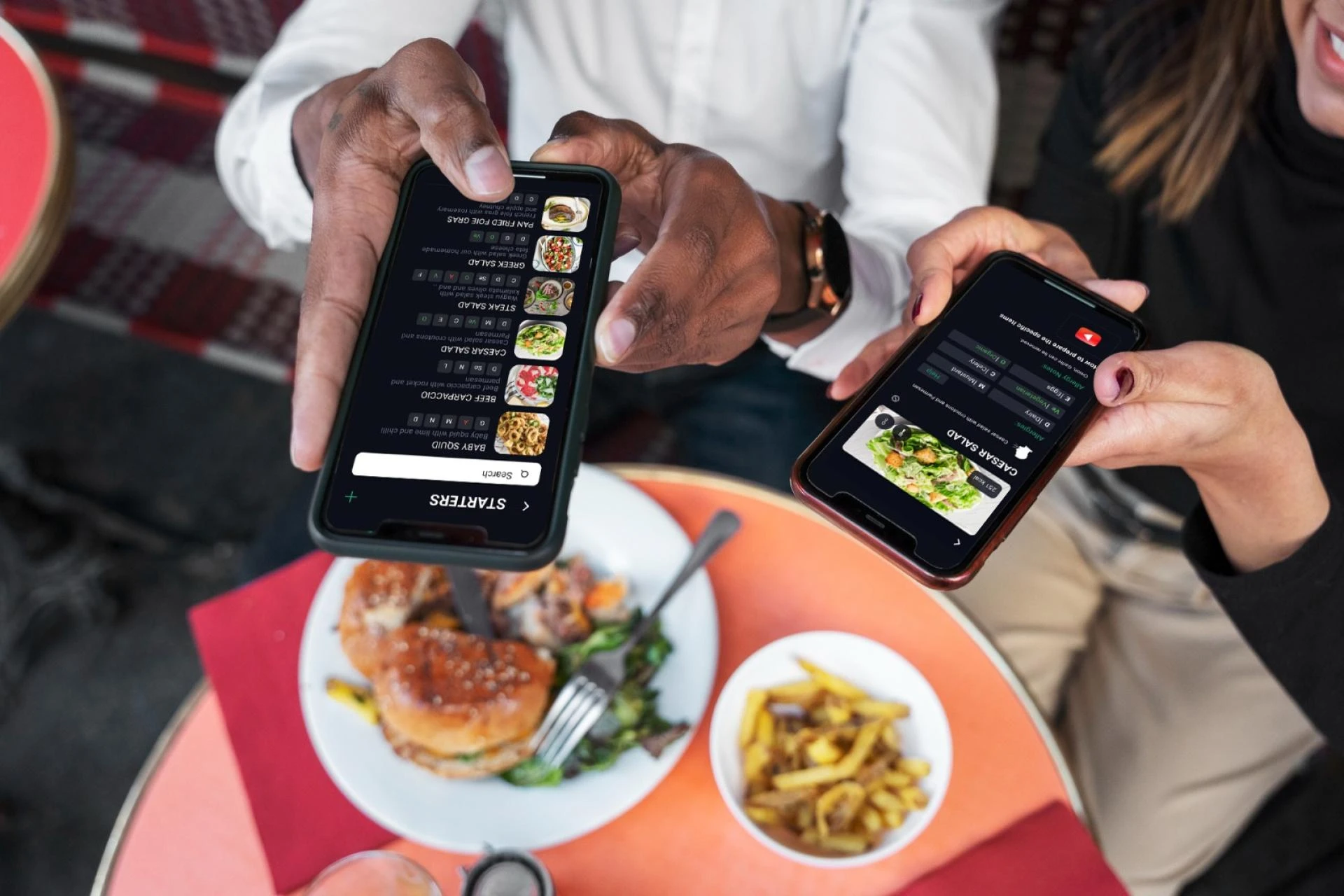

In the fast-paced world of hospitality, training is everything. Whether it’s a five-star hotel, a busy restaurant, or a cocktail bar, the quality of guest experience depends on how well staff are trained. But as the industry evolves, so do the tools we use for learning. Gone are the days when bulky binders and long classroom sessions were the only ways to train. Today, hospitality training is moving into the digital era right into our pockets.
Why Traditional Training Needs a Refresh
Most hospitality teams still rely on printed restaurant training manuals and handbooks. While these documents are useful, they often become outdated quickly. Menus change, policies evolve, and new employees need information fast. The result? Staff waste time flipping through pages or relying on word-of-mouth updates.
The same challenge applies to bar training manuals and kitchen guides. A new cocktail recipe, a seasonal dish, or an updated service standard can take days to communicate to the whole team. In an industry where speed and consistency matter, this lag can impact service quality and guest satisfaction.
The Rise of Mobile Hospitality Training
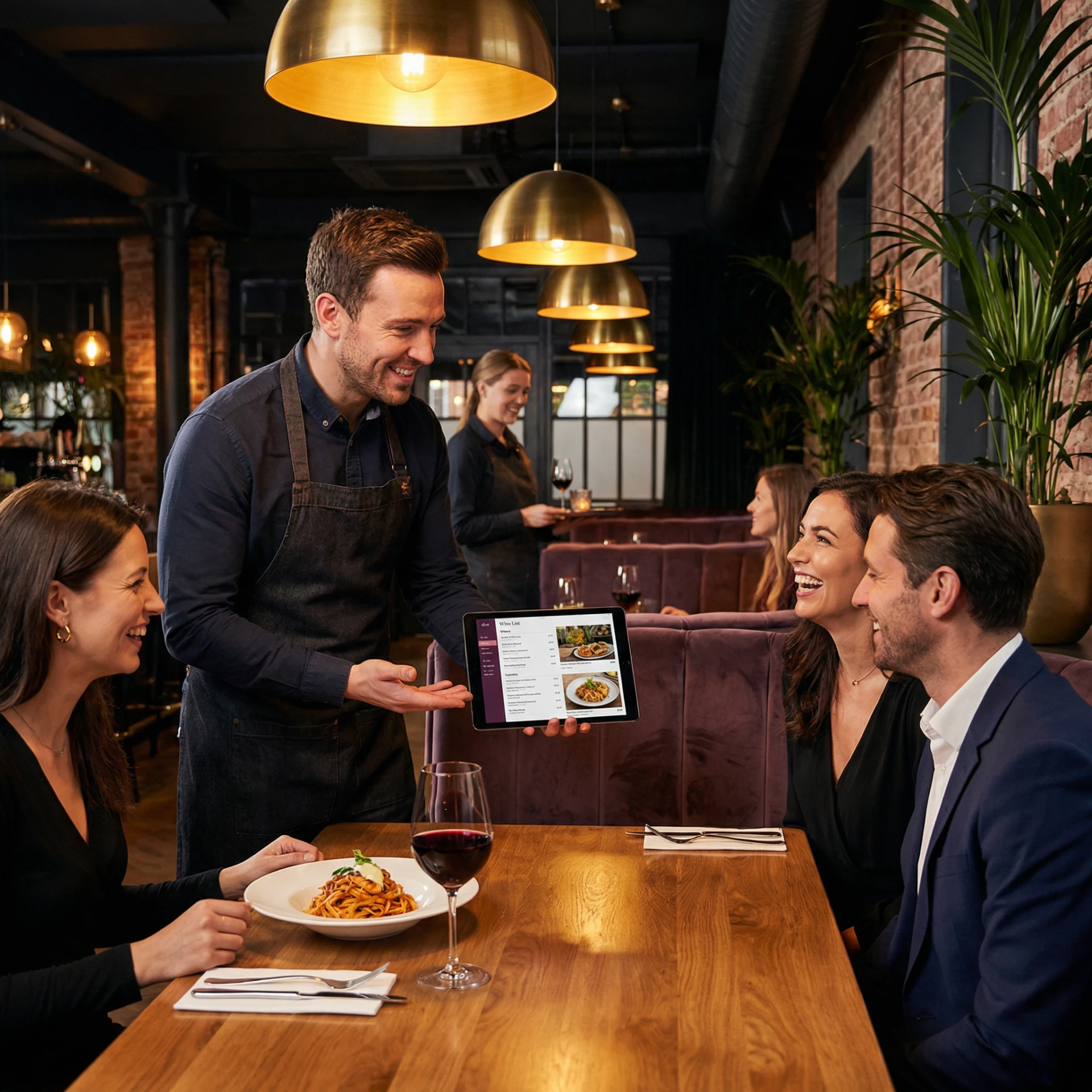
This is where mobile learning steps in. With hospitality training apps, employees can access updated materials anytime, anywhere. Instead of waiting for the next staff meeting, a bartender can learn a new drink recipe on their phone before their shift starts. A server can refresh their knowledge about allergy protocols while commuting to work.
The biggest advantage? Instant updates. When managers upload new restaurant training content or revise a bar training manual, it becomes immediately available to every team member. That keeps everyone aligned with the latest standards without extra printing or long explanations.
Creating Clarity with Job Descriptions and KPIs
Another area where hospitality apps are making a difference is performance management. Clear job descriptions and KPIs (Key Performance Indicators) help employees understand what’s expected of them. For example, a front-desk associate might have KPIs related to guest check-in times and satisfaction scores, while a line cook’s goals might focus on consistency and order accuracy.
Digital training platforms make it easier to connect training modules with specific roles and KPIs. This means that employees don’t just learn tasks they understand why those tasks matter and how their performance contributes to the overall guest experience.
The Human Touch Behind the Tech
Despite all the technology, the heart of hospitality remains human. Training apps don’t replace the human connection they enhance it. They give managers more time to coach and motivate their teams instead of spending hours updating manuals. Staff, in turn, feel more confident and supported because the information they need is always within reach.
Final Thoughts
Hospitality is built on consistency, care, and communication. Modern training tools are helping the industry achieve these values more efficiently than ever before. By blending clear manuals, defined job roles, and mobile access to learning, the next generation of hospitality professionals can deliver service that feels effortless yet truly exceptional.
























Sign in to leave a comment.