Nursing education in Tamil Nadu is changing quickly as colleges focus more on practical skills rather than only classroom-based learning. Hospitals today expect fresh nursing graduates to be confident, skilled, and ready to handle real patients from day one. Because of this shift, simulation-based training has become a major part of the nursing curriculum. In this process, Medical Training Manikins in Tamil Nadu are playing an important role by helping students practice clinical procedures in a safe and controlled environment.
These training models are no longer seen as optional equipment. They are now becoming a core requirement in nursing colleges that aim to deliver quality education. From basic patient care to advanced medical procedures, manikins allow students to repeatedly practice without risk, which improves both confidence and accuracy.
Shift from Theory-Based Learning to Practical Training
Earlier, nursing students in Tamil Nadu relied heavily on theory, textbooks, and limited hospital exposure during internships. This often created a gap between classroom learning and real clinical situations. Students understood concepts but struggled when handling patients for the first time.
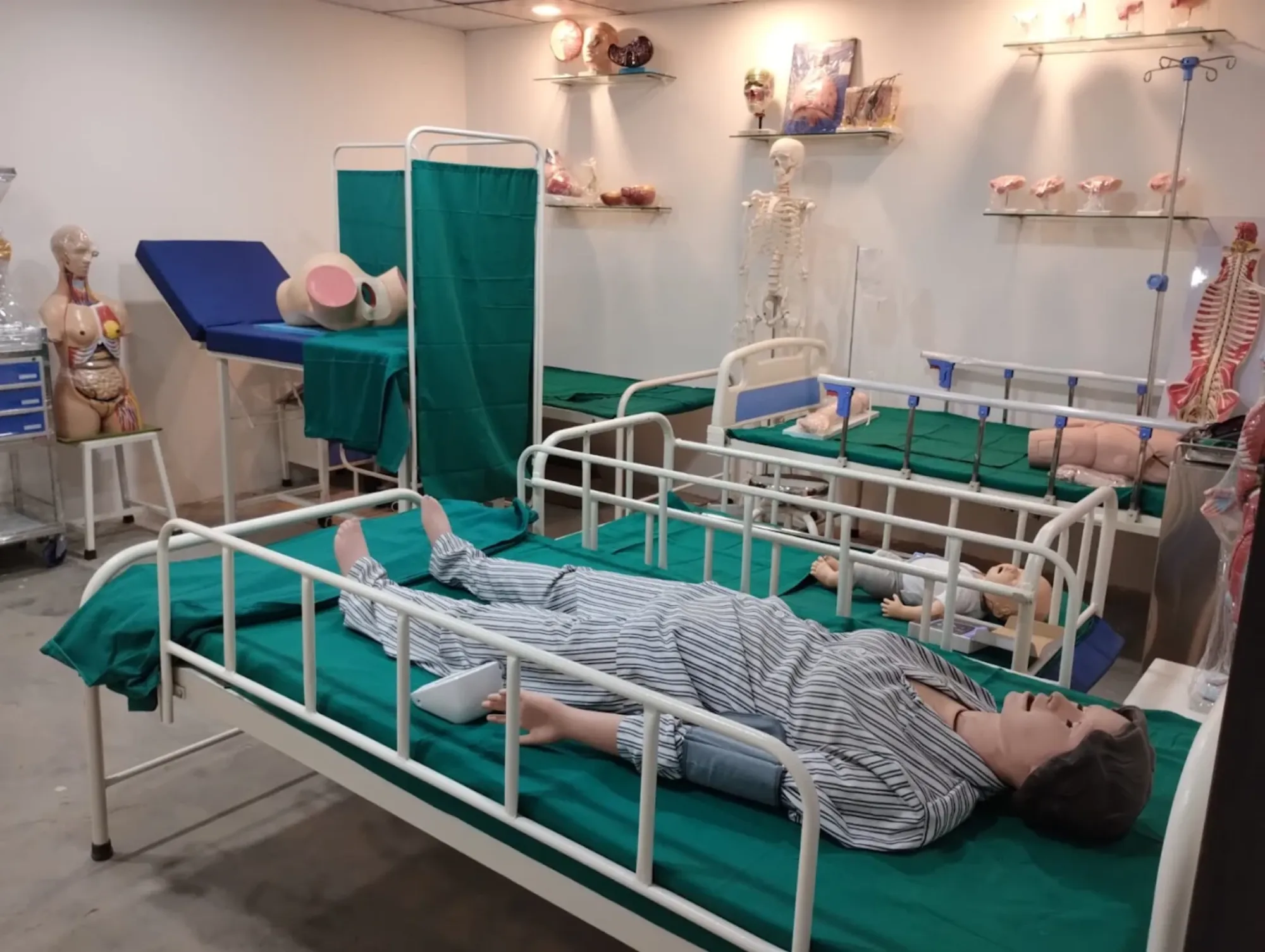
To solve this issue, colleges are adopting simulation-based education. Training labs are now equipped with realistic manikins that replicate human anatomy and medical conditions. Students can practice injections, CPR, wound dressing, and emergency response techniques in a controlled setup. This hands-on experience helps them learn faster and perform better during real hospital duties.
Why Simulation Training Is Becoming Essential
One of the biggest reasons for the rising demand is patient safety. Mistakes during initial learning stages can be dangerous in real healthcare environments. Simulation training removes this risk completely. Students can repeat procedures multiple times until they become confident.
Another important factor is skill standardization. Every student gets equal practice opportunities, which ensures consistent learning outcomes across batches. This is especially important in Tamil Nadu, where the number of nursing colleges and admissions is continuously increasing.
Growing Investment in Nursing Skills Labs
Colleges across Tamil Nadu are now investing in modern nursing skills labs. These labs are designed to replicate real hospital settings with beds, instruments, and advanced simulation equipment. The focus is on creating a practical learning environment where students can experience real-life medical situations before entering clinical practice.
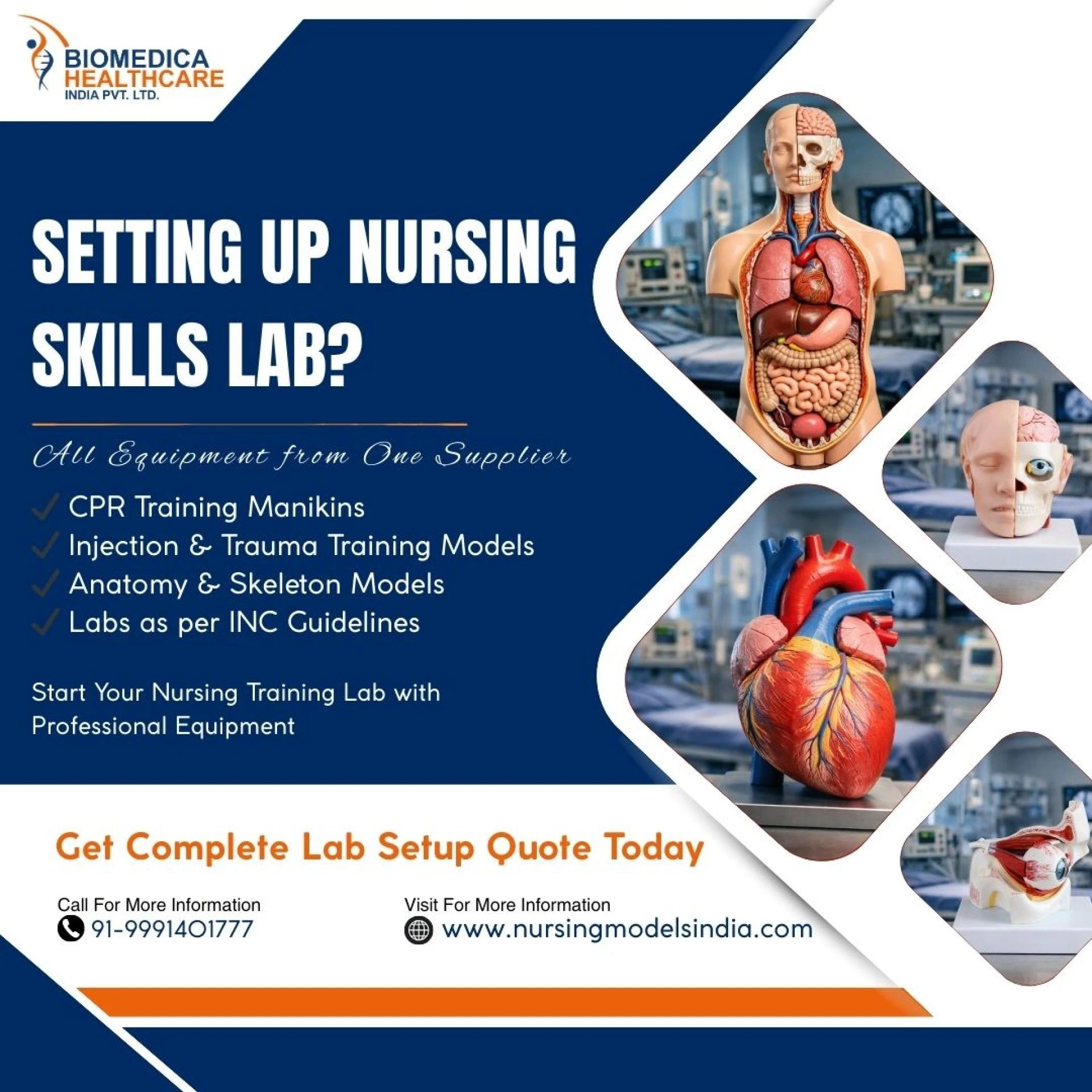
This growing demand has also increased collaboration with Nursing Manikin Suppliers in Tamil Nadu, who provide different types of training models based on institutional requirements. These suppliers support colleges in setting up complete simulation labs, from basic models to advanced patient simulators.
Types of Manikins Used in Nursing Education
Nursing colleges use a wide range of manikins depending on training needs. Some commonly used models include:
- CPR and basic life support training models
- Adult patient care simulators
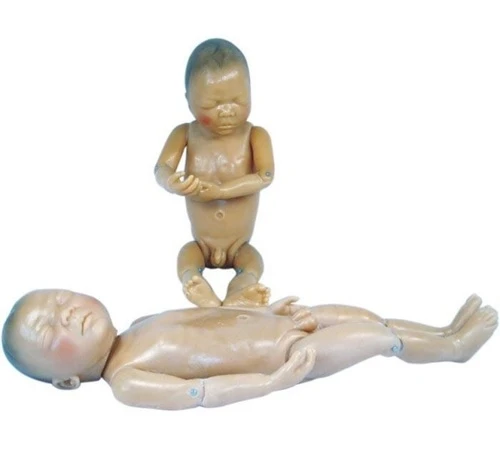
- Pediatric care manikins
- Obstetric and delivery practice models
- IV and injection training arms
- Surgical skill simulation models
Each model is designed for a specific learning purpose. For example, obstetric manikins help students understand labor and delivery procedures, while CPR models focus on emergency life-saving skills.
Benefits of Using Medical Training Manikins in Tamil Nadu in Education
The increasing adoption of simulation tools is driven by several clear advantages:
- Students gain real-world clinical experience before hospital training
- Confidence levels improve significantly during patient interaction
- Errors are reduced in actual healthcare settings
- Procedures can be practiced repeatedly without limitations
- Learning becomes more interactive and engaging
These benefits make simulation-based training a powerful tool for improving nursing education quality across Tamil Nadu.
Rising Demand Across Tamil Nadu
Tamil Nadu has one of the strongest healthcare education systems in India. With a large number of nursing colleges producing skilled professionals every year, the need for advanced training infrastructure continues to grow.
Private and government institutions are equally focusing on upgrading their labs. As healthcare standards rise globally, colleges are under pressure to produce job-ready nurses with strong practical skills. This is one of the key reasons why demand for medical simulation equipment has increased rapidly in recent years.
Future of Nursing Education in the State
The future of nursing education in Tamil Nadu is moving toward advanced technology-driven learning. Simulation labs will become more interactive with the use of digital systems, virtual reality, and smart training models. These advancements will make medical training even more realistic and effective.
Students will not only learn procedures but also experience real-time clinical decision-making scenarios. This will prepare them better for hospital environments and improve the overall quality of healthcare professionals in the state.
Conclusion
The increasing focus on practical healthcare education has significantly boosted the use of Medical Training Manikins in Tamil Nadu across nursing colleges. These tools are helping students develop essential clinical skills, build confidence, and reduce errors in real patient care.
At the same time, growing collaboration with Nursing Manikin Suppliers in Tamil Nadu is enabling institutions to upgrade their training infrastructure and meet modern education standards. As a result, Tamil Nadu is steadily moving toward a more skilled, practice-oriented nursing education system that supports the future of healthcare.

























Sign in to leave a comment.