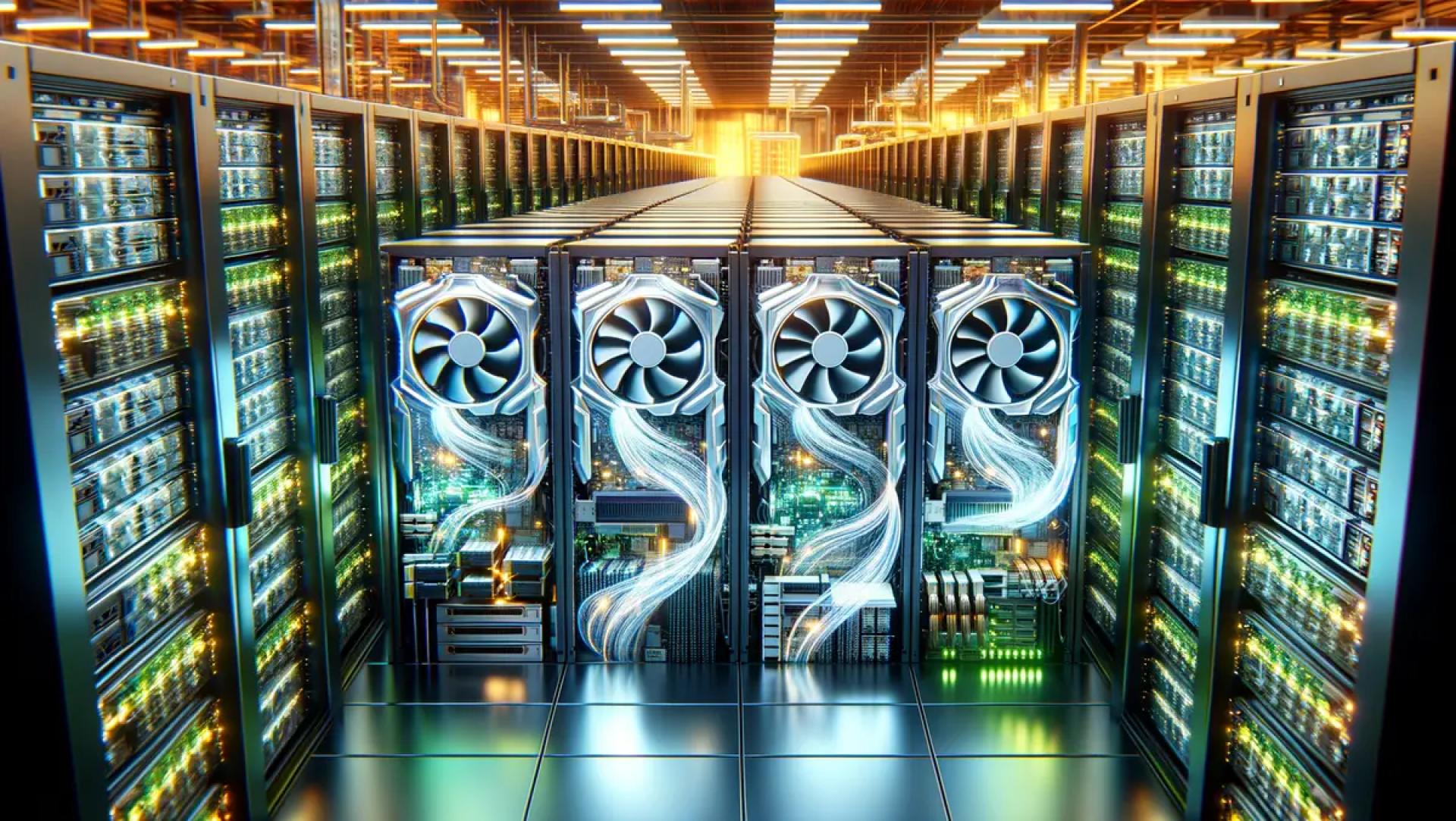

As data becomes increasingly central to modern operations, computing demands have shifted rapidly. Traditional CPUs, while still crucial, are no longer sufficient for industries requiring parallel processing, massive data throughput, and real-time results. This is where GPU cloud server infrastructure plays a significant role—especially in sectors like AI, machine learning, video rendering, and scientific computing.
GPUs (Graphics Processing Units), initially built for image rendering, have evolved into powerful computation engines capable of processing thousands of threads simultaneously. Their architecture is tailored for tasks that involve large-scale matrix calculations, which are fundamental to machine learning algorithms and neural networks. When paired with cloud infrastructure, the result is a flexible, on-demand solution that removes the high cost of owning and maintaining dedicated hardware.
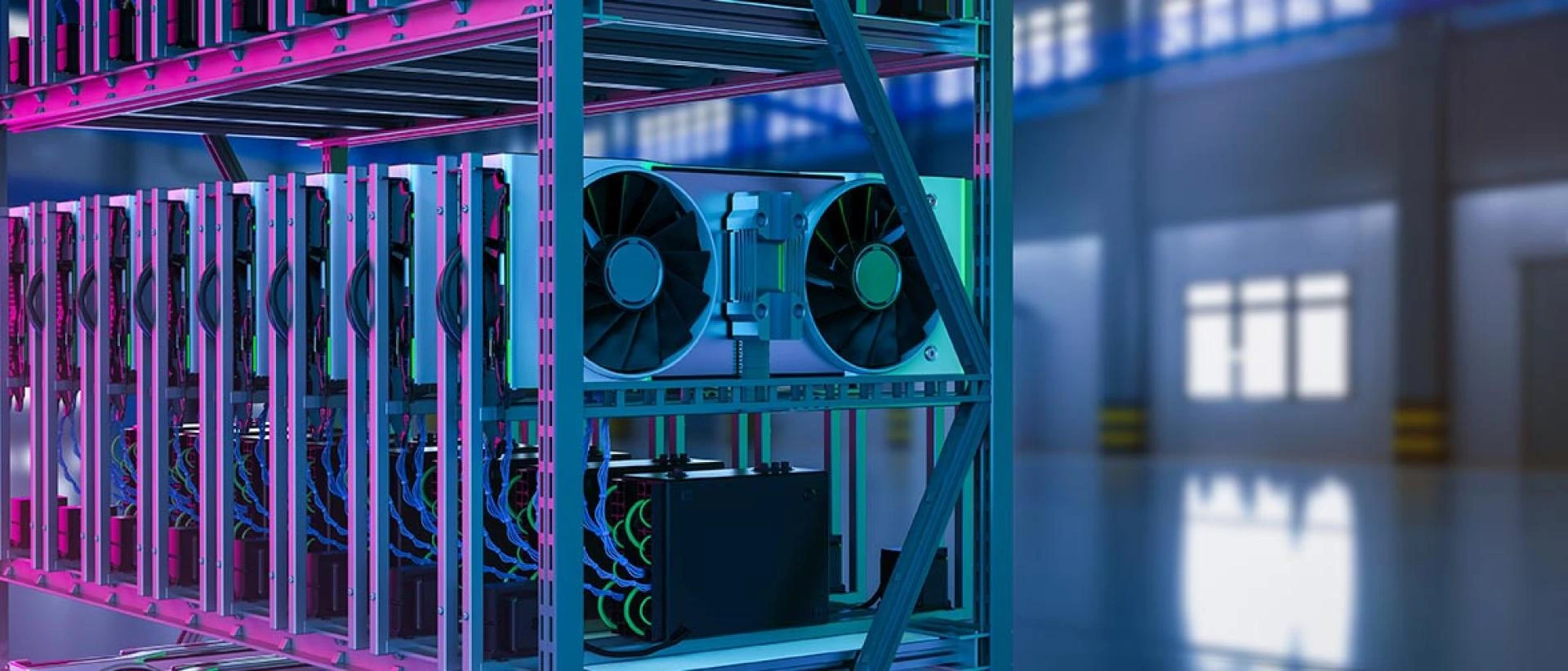
One of the clearest advantages of GPU cloud servers is scalability. Companies often face unpredictable workloads that fluctuate based on demand cycles, project scope, or customer usage. GPU-based cloud instances allow organizations to scale their computing power without long procurement processes or hardware limitations. Whether training a complex neural network or rendering high-definition animations, users can allocate resources as needed and release them once the task is complete.
Moreover, access to GPU cloud servers opens up possibilities for startups and smaller teams. Without needing to purchase expensive on-premise GPU hardware, even small organizations can test and deploy resource-intensive models. This accessibility is particularly important in AI and data science, where success often depends on the ability to iterate quickly and experiment at scale. It levels the playing field for innovation and encourages a broader range of contributors in high-tech sectors.
The flexibility of a GPU cloud server also benefits remote and hybrid teams. With workloads no longer tied to a physical machine, professionals from different parts of the world can collaborate seamlessly. For example, a design team working on a 3D game or a film studio handling visual effects can coordinate efforts without hardware bottlenecks, using cloud GPUs to render assets and test builds in near real-time.
Another relevant point is cost optimization. Although GPUs are inherently more expensive than CPUs, cloud models based on pay-per-use or subscription pricing allow for smarter budgeting. Teams can forecast their needs, compare instance types, and choose setups that align with performance requirements and budget constraints. In many cases, the ability to turn off instances when not in use leads to more efficient spending compared to traditional hardware investments.
From a technical standpoint, GPU cloud servers have matured significantly. Providers now offer various configurations suited for specific workloads—ranging from entry-level GPU instances for basic parallel tasks to multi-GPU setups for deep learning training pipelines. They come with the option to integrate popular AI/ML libraries and frameworks out of the box, reducing the time developers spend on environment setup.
Security is also evolving with GPU cloud solutions. Organizations can implement secure data handling policies, use encrypted storage, and control access via identity management systems. With sensitive data being processed—especially in sectors like finance, healthcare, and research—these capabilities ensure that performance doesn't come at the cost of compliance.
Looking ahead, GPU cloud servers will likely play an even bigger role as technologies like generative AI, autonomous systems, and augmented reality continue to grow. These fields demand both speed and scale—qualities that GPU architecture supports natively. Coupled with the cloud’s elasticity, it creates a powerful computing model that can adapt as needs change.
Whether a team is running simulations for drug discovery, training computer vision models, or rendering ultra-high-definition media, the shift toward cloud-based GPU resources is becoming increasingly difficult to ignore. The benefits of agility, cost-efficiency, and accessibility are well-aligned with the evolving requirements of modern computational workloads.
As organizations reevaluate their infrastructure choices to stay competitive and responsive, the role of the gpu cloud server stands out as a critical component in the high-performance computing landscape.

































Sign in to leave a comment.