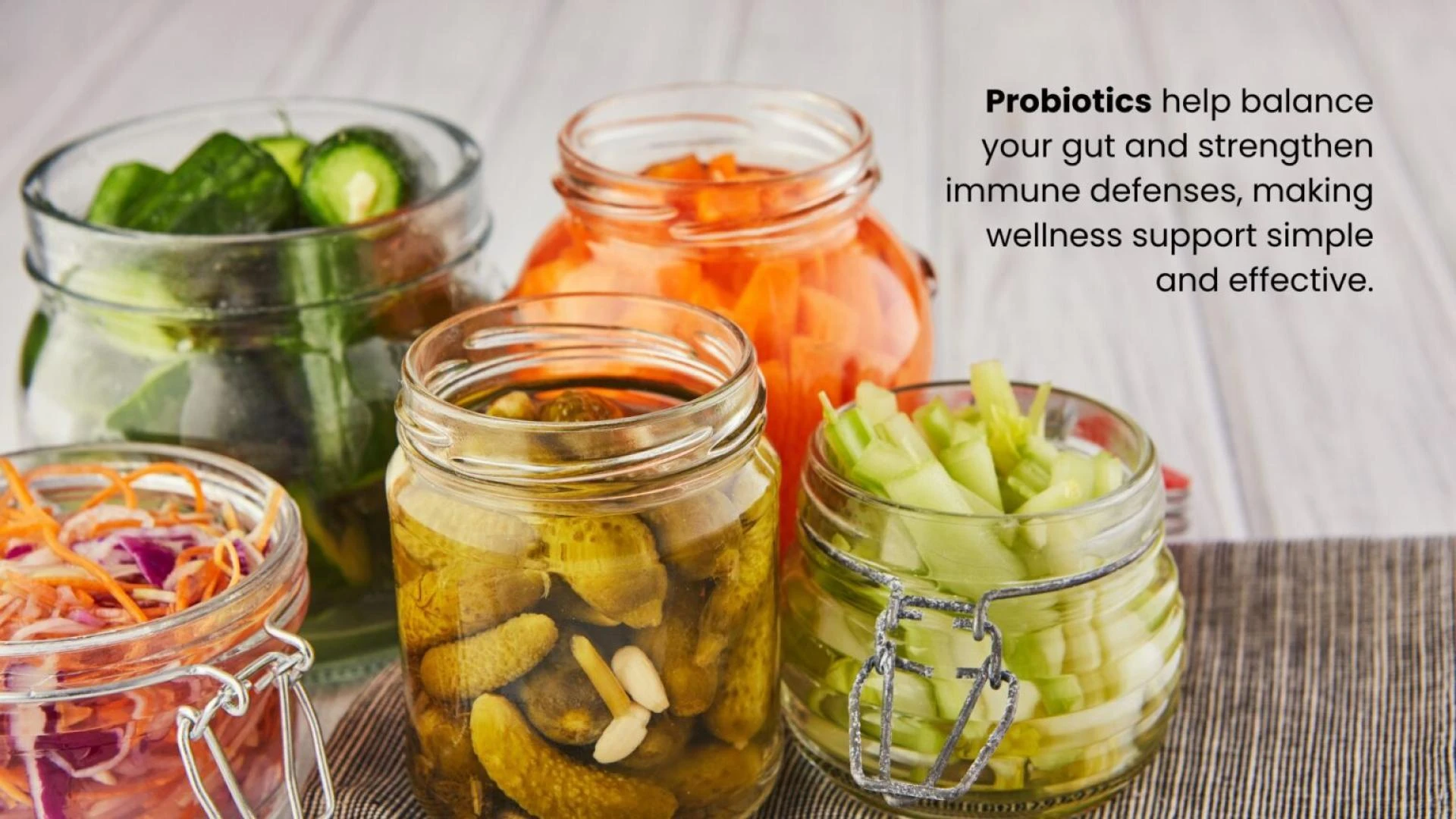

Your Gut—The Silent Guardian of Your Health
Most people think of the immune system as something that exists in the bloodstream or lymph nodes. In reality, nearly 70% of your immune system lives in your gut. Every day, trillions of microbes—both good and bad—engage in an invisible battle inside you. The outcome of that battle determines more than just your digestion; it shapes how your body defends itself against illness, fatigue, and chronic inflammation.
Understanding this link between gut bacteria and immunity has transformed how we approach wellness. One of the key players in this revolution? Probiotics. These beneficial bacteria don’t just keep your digestion in check—they directly influence how well your body resists infections and recovers from stress.
In this article, we’ll explore how probiotics affect immune function, what types you should look for, and how they could redefine your approach to long-term health.
The Gut-Immune Axis: Where Microbes Meet Immunity
Your gut is more than a digestive organ—it’s an immune powerhouse. The walls of your intestines are lined with immune cells, working 24/7 to distinguish between friend and foe.
When your gut microbiome is balanced, it produces compounds that:
- Strengthen your intestinal lining (your first line of immune defense)
- Train immune cells to respond appropriately to threats
- Reduce chronic inflammation by calming immune overreactions
But when your gut bacteria become imbalanced—a condition called dysbiosis—that protective harmony collapses. The immune system becomes confused, often attacking the body’s own tissues or failing to respond to genuine invaders. This is why digestive health is now considered a cornerstone of immune resilience.
How Probiotics Influence the Immune System
The relationship between probiotics and immunity isn’t abstract—it’s biological. When you consume probiotics, they interact directly with immune cells in your gut. Here’s how:
1. They Boost Antibody Production
Probiotics stimulate the production of Immunoglobulin A (IgA), an antibody that lines your respiratory and intestinal tracts. IgA acts like a shield, preventing harmful microbes from attaching to your cells.
2. They Balance Inflammatory Responses
Chronic inflammation is the root of many diseases—from arthritis to autoimmune disorders. Certain probiotic strains, like Lactobacillus rhamnosus and Bifidobacterium longum, can lower inflammatory cytokines, helping your immune system calm down and function efficiently.
3. They Enhance White Blood Cell Activity
Probiotics help “train” white blood cells to recognize and destroy pathogens more effectively. This makes your immune system both stronger and smarter.
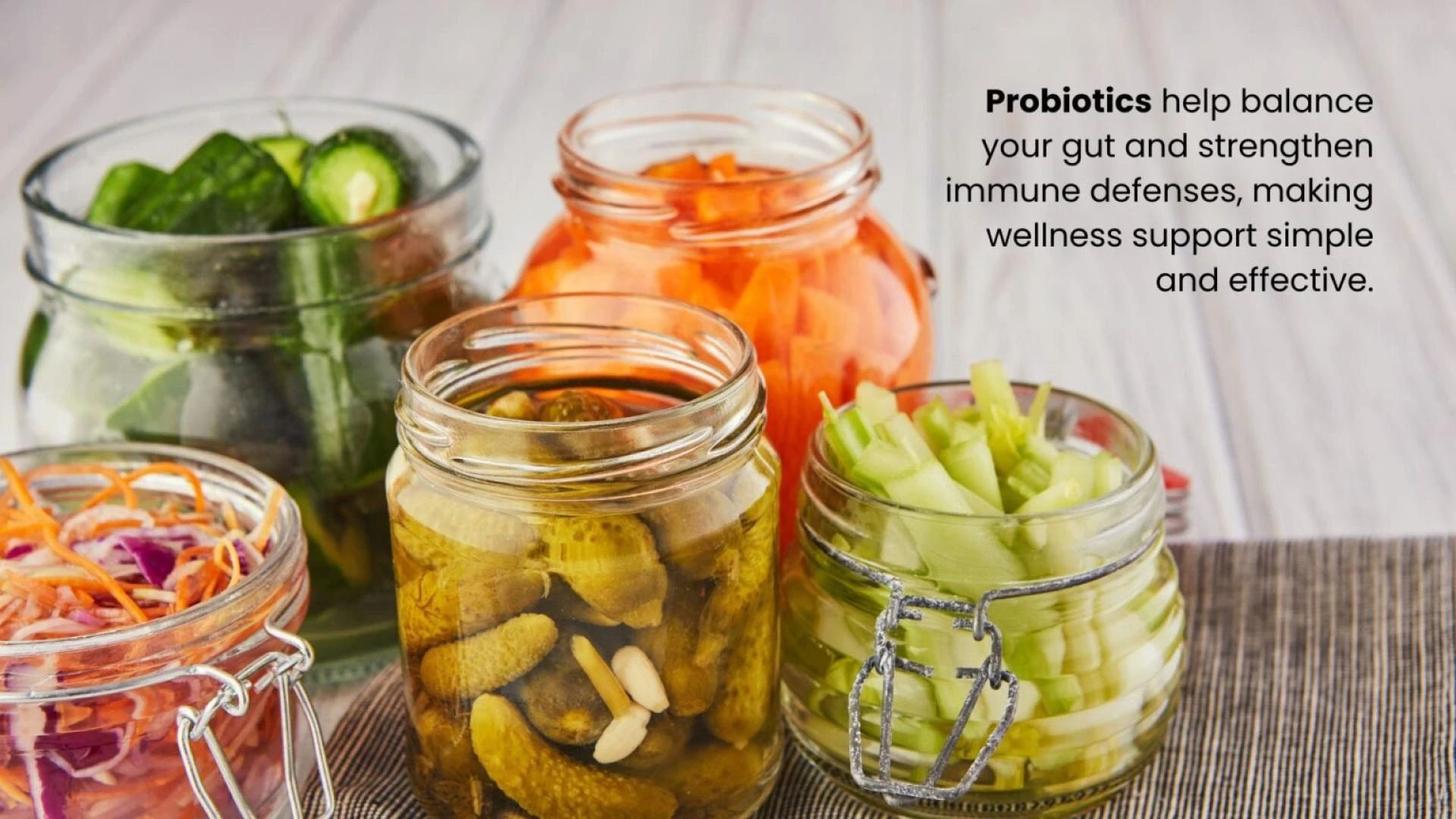
Why Most People’s Gut Health Is Compromised
Modern living takes a heavy toll on gut bacteria. Antibiotics, processed foods, stress, and lack of sleep all chip away at microbial diversity. Even short-term antibiotic use can wipe out up to 90% of gut bacteria—many of which never fully recover.
A compromised gut means fewer beneficial bacteria to regulate immune responses. As a result, you may notice:
- Frequent colds or infections
- Food intolerances
- Digestive discomfort
- Fatigue and brain fog
- Allergic reactions
Replenishing your gut with the right probiotics can help restore that lost balance and reinforce your natural immune defenses.
Choosing the Right Probiotics for Immune Health
Not all probiotics are created equal. Here’s what to look for when choosing one that supports immunity:
1. Multi-Strain Formulas
A healthy gut thrives on diversity. Look for supplements containing multiple strains like Lactobacillus acidophilus, Bifidobacterium bifidum, and Lactobacillus plantarum.
2. High CFU Count
Colony-forming units (CFUs) measure how many live bacteria are in each dose. For immune support, aim for at least 10 billion CFUs per serving.
3. Clinical Research
Opt for probiotic blends that have been tested in peer-reviewed studies for immune benefits—not just digestive health.
4. Delivery System
Capsules that are enteric-coated or time-released ensure the bacteria survive stomach acid and reach the intestines intact.
The Diet Connection: Feeding Your Microbiome
Probiotics need fuel to thrive—and that’s where prebiotics come in. Prebiotics are plant-based fibers that nourish your gut bacteria. Including them in your diet can dramatically boost probiotic effectiveness.
Foods rich in prebiotics include:
- Garlic, onions, and leeks
- Bananas and apples
- Oats and barley
- Asparagus and Jerusalem artichokes
Pairing probiotics with a fiber-rich diet ensures a stable, well-fed gut ecosystem that strengthens immune resilience from the inside out.
Lifestyle Habits That Support Gut and Immune Health
Beyond diet, your lifestyle determines whether good bacteria flourish or fade. To optimize your results, try the following:
1. Manage Stress
Chronic stress releases cortisol, which disrupts gut bacteria and suppresses immune function. Daily mindfulness or breathwork can help regulate your body’s stress response.
2. Sleep Deeply
Your body repairs both the gut lining and immune cells during deep sleep. Aim for 7–9 hours nightly.
3. Exercise Regularly
Moderate exercise improves circulation and microbial diversity. Just 30 minutes of walking a day can have measurable effects on immune strength.
4. Stay Hydrated
Water supports digestion and helps flush toxins that can disrupt gut balance.
When to Consider a Professional Gut Health Evaluation
If you’re experiencing chronic fatigue, recurring infections, or autoimmune symptoms, it may be time for a deeper look into your gut health. A functional medicine provider or naturopathic doctor can help you identify microbial imbalances through advanced testing and create a personalized probiotic plan.
This integrative approach doesn’t just suppress symptoms—it targets the root cause of immune dysfunction, helping your body rebuild its natural defenses from within.
To learn more about how gut bacteria and immune function are interconnected, explore Dr. Alisha’s guide on Probiotics and Immune Health, where she breaks down how specific probiotic strains can help optimize your immune resilience.
Common Myths About Probiotics and Immunity
Even though probiotics have become mainstream, several misconceptions still persist. Let’s clear a few up:
Myth #1: “Probiotics Work Instantly”
Probiotics need consistency. It can take weeks before you notice real changes in digestion or immunity.
Myth #2: “All Fermented Foods Provide Enough Probiotics”
While yogurt and kombucha contain beneficial bacteria, they don’t always deliver clinically effective doses. Supplements fill that gap.
Myth #3: “More Is Always Better”
Taking excessive CFUs doesn’t necessarily mean better results. What matters most is strain quality and gut compatibility.
The Future of Immune Health Is in the Gut
Modern medicine is starting to validate what ancient wellness traditions have known for centuries: all health begins in the gut. By supporting your gut microbiome, you’re not just improving digestion—you’re upgrading your immune system’s intelligence, balance, and resilience.
This isn’t about chasing trends or quick fixes. It’s about giving your body the biological tools it needs to function at its peak. With the right probiotics, balanced nutrition, and mindful living, your gut becomes your most powerful ally in lifelong immunity.
Conclusion: Build Immunity from the Inside Out
Your immune system is only as strong as your gut is healthy. Probiotics, when used strategically, can rebuild that foundation—restoring balance, reducing inflammation, and training your immune cells to respond effectively to any challenge.
Investing in your gut health isn’t just about avoiding sickness—it’s about cultivating vitality, focus, and energy that lasts. Start by adding quality probiotics, feeding them with the right foods, and making your daily routine more supportive of your body’s natural defenses.















Sign in to leave a comment.