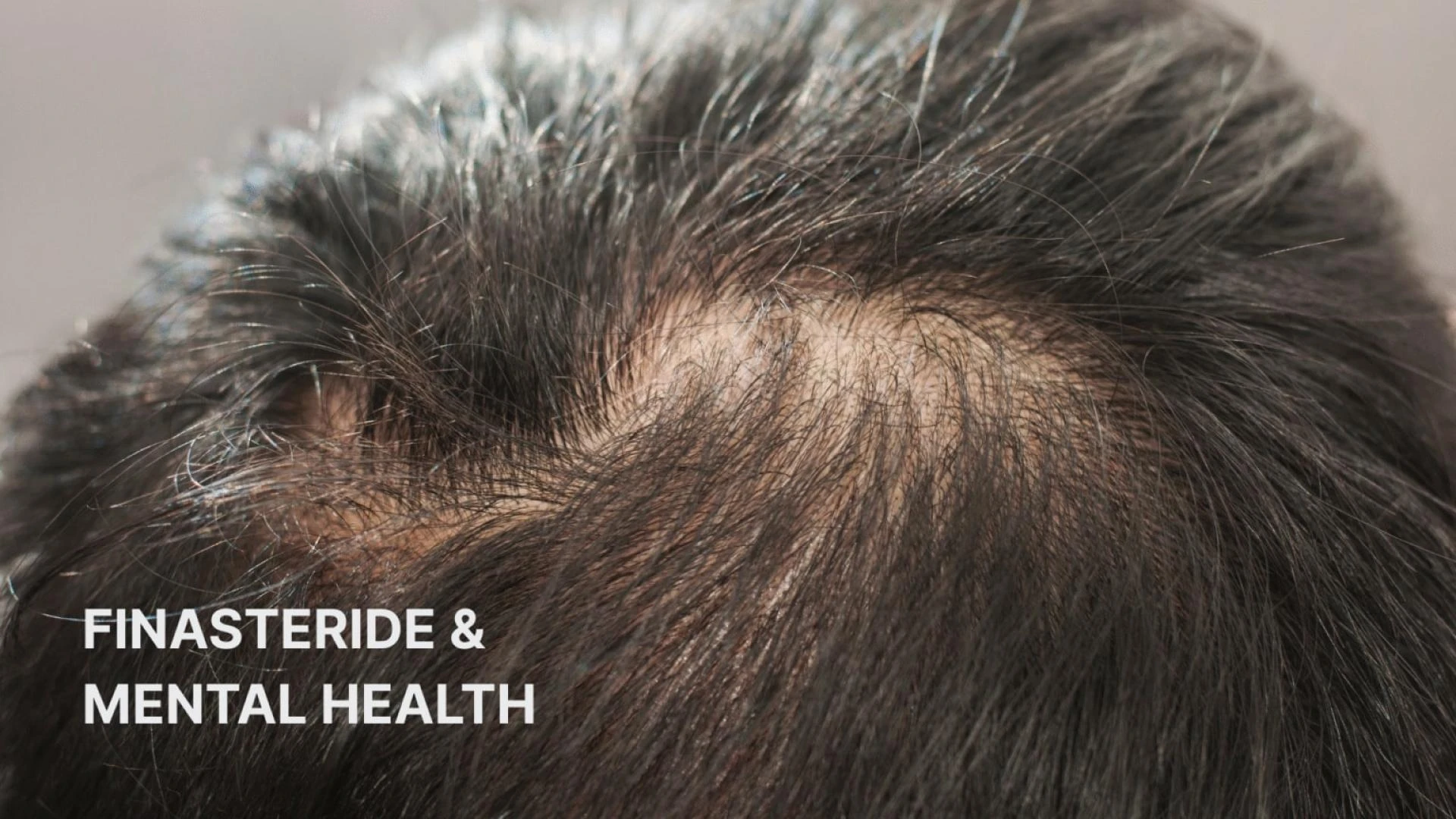

Finasteride has long been hailed as a breakthrough in modern medicine—a simple pill that helps men regain confidence by halting hair loss and managing prostate conditions. However, behind the promise of physical transformation lies a growing concern that’s gaining attention among medical professionals and patients alike: the drug’s potential influence on mental health.
As researchers delve deeper into the connection between Finasteride and Mental Health, a more complex picture begins to emerge. For some individuals, the drug’s hormonal effects may go beyond hair and hormones—impacting emotional stability, cognition, and overall psychological well-being.
This article explores that relationship in depth, uncovering the biological mechanisms, real-life implications, and the importance of awareness in promoting safe and informed use.
Understanding Finasteride: What It Is and How It Works
Finasteride belongs to a class of drugs known as 5-alpha-reductase inhibitors. It was first developed to treat benign prostatic hyperplasia (BPH), a condition that causes prostate enlargement. Later, it was introduced in lower doses to treat male pattern baldness (androgenic alopecia).
How Finasteride Affects Hormones
Finasteride works by inhibiting the enzyme 5-alpha-reductase, which converts testosterone into dihydrotestosterone (DHT)—a potent androgen hormone responsible for hair follicle miniaturization. By blocking DHT, finasteride reduces hair loss and, in some cases, promotes regrowth.
However, DHT doesn’t just influence hair. It also plays a key role in brain chemistry and mood regulation. When DHT levels are significantly reduced, the brain’s hormonal and neurochemical balance can be disrupted, which may contribute to changes in emotional well-being.
The Biological Connection Between Finasteride and the Brain
While most people associate finasteride with its visible effects on hair, its influence extends to the central nervous system. The enzyme it inhibits—5-alpha-reductase—is also present in the brain, where it helps produce important neurosteroids that affect mood and stress resilience.
Neurosteroids: The Brain’s Natural Mood Regulators
One of the key neurosteroids affected by finasteride is allopregnanolone, which has calming, anti-anxiety, and antidepressant effects. By reducing the production of this neurosteroid, finasteride may alter how the brain manages stress, emotional regulation, and motivation.
Studies suggest that lower allopregnanolone levels are associated with increased anxiety and depressive symptoms. This helps explain why some individuals experience mood changes while taking finasteride or after discontinuing it.
Serotonin and Dopamine Pathways
Hormonal shifts can also indirectly influence neurotransmitters like serotonin and dopamine—chemicals responsible for feelings of happiness, focus, and pleasure. Disruption in these systems may contribute to emotional instability, apathy, or cognitive “fog.”
The Emotional Consequences: When Physical Treatment Meets Psychological Strain
Conflicting Emotions and Identity
Hair loss, for many men, carries a deep emotional weight. It’s tied to identity, attractiveness, and self-esteem. The promise of reversing or preventing this change often motivates the decision to start finasteride. But when psychological symptoms emerge, patients may find themselves caught in an emotional conflict—looking better physically while feeling worse mentally.
This inner struggle can create confusion and frustration, particularly when medical professionals downplay or dismiss the possibility that the medication could be contributing to these symptoms.
Reports from the Real World
Across online forums and clinical observations, some men report experiencing depressive moods, anxiety, or even feelings of emotional numbness while on finasteride. Others describe persistent symptoms that continue even after discontinuing the drug, a condition sometimes referred to as Post-Finasteride Syndrome (PFS).
Although the medical community has yet to reach a full consensus on PFS, growing anecdotal evidence and emerging studies indicate that, for a subset of users, these psychological changes are real and impactful.
Post-Finasteride Syndrome: A Deeper Look
What Is PFS?
Post-Finasteride Syndrome refers to the continuation of physical and psychological side effects after stopping the medication. Reported symptoms include depression, anxiety, insomnia, cognitive impairment, and sexual dysfunction.
While researchers are still investigating the underlying causes, several theories point to long-term hormonal imbalances and neurosteroid depletion as potential mechanisms.
The Psychological Toll
The persistence of symptoms can be devastating, particularly for individuals who expected a short-term solution to hair loss. Some report feelings of isolation, frustration, and hopelessness, compounded by skepticism from the medical community. This lack of validation can intensify emotional distress, making support and awareness even more critical.
The Science of Finasteride’s Psychological Effects
Although studies on finasteride’s psychological effects are still developing, several lines of research offer insight into how and why the drug may impact mental health.
1. Hormonal Interference in the Brain
Finasteride’s inhibition of DHT affects brain regions responsible for emotional regulation, such as the limbic system and prefrontal cortex. These areas rely on balanced hormone signaling for proper function.
2. Reduced Neurosteroid Levels
By decreasing allopregnanolone and other neurosteroids, finasteride can make the brain more reactive to stress. This may result in heightened anxiety and a blunted ability to experience pleasure or calm.
3. Altered Feedback Loops
The endocrine system works through feedback mechanisms. When one hormone pathway is disrupted, others attempt to compensate. These adjustments can take time and may cause temporary mood fluctuations or long-term instability in susceptible individuals.
Why Awareness Matters: The Role of Education and Communication
Empowering Patients with Information
One of the most important aspects of preventing mental health complications is patient education. Before starting finasteride, individuals should understand both its benefits and potential risks—not to deter use, but to promote awareness and proactive care.
Doctors and patients should discuss baseline mental health status and create a plan for monitoring emotional well-being throughout treatment. Early detection of symptoms can prevent more serious complications later.
The Importance of Open Dialogue
Unfortunately, many patients hesitate to talk about mental health side effects due to stigma or fear of being misunderstood. Medical practitioners must foster a safe, judgment-free environment that encourages honesty about emotional changes.
Recognizing Warning Signs
For those currently taking finasteride, recognizing early signs of emotional imbalance is key. While not everyone experiences side effects, staying informed helps ensure safety.
Common Symptoms to Watch For:
- Increased irritability or mood swings
- Persistent sadness or feelings of emptiness
- Anxiety or panic attacks
- Loss of motivation or interest in daily activities
- Difficulty sleeping or concentrating
- Thoughts of hopelessness or self-harm
If any of these symptoms occur, medical guidance should be sought immediately. A healthcare professional can evaluate whether finasteride may be contributing to the issue and recommend appropriate next steps.
Recovery and Support: Moving Toward Healing
1. Medical Evaluation
The first step toward recovery is a thorough medical assessment. Hormone testing can help determine whether imbalances are present and guide treatment. Endocrinologists or functional medicine practitioners may provide hormone-supportive therapies to restore balance.
2. Psychological Support
Mental health professionals can provide invaluable tools for coping and recovery. Cognitive Behavioral Therapy (CBT), mindfulness practices, and trauma-informed counseling can help individuals rebuild emotional resilience.
3. Nutritional and Lifestyle Interventions
Nutrient-rich diets high in omega-3 fatty acids, magnesium, and B vitamins can support brain and hormonal health. Regular physical activity and quality sleep also play vital roles in stabilizing mood and improving cognitive function.
4. Community and Peer Support
Online and local support groups offer understanding and connection for those affected. Sharing experiences not only reduces isolation but can also inspire hope and advocacy for better medical recognition of post-finasteride issues.
The Broader Perspective: Masculinity, Self-Image, and Emotional Well-Being
Hair loss is often more than a cosmetic issue—it’s a deeply emotional one. For many men, it can symbolize aging, vulnerability, or loss of control. Finasteride promises a solution to these fears, but when mental health becomes compromised, the trade-off can be profound.
Redefining Strength and Self-Worth
The growing discussion around Finasteride and Mental Health challenges traditional notions of masculinity. True strength lies not in suppressing emotional pain but in addressing it openly and compassionately.
Men deserve both physical and mental wellness. Recognizing that emotional health is just as important as appearance is the first step toward redefining what it means to be healthy and whole.
Conclusion: Awareness Leads to Empowerment
Finasteride has helped countless individuals regain their confidence, but it’s essential to understand that every medication interacts uniquely with the body and mind. By acknowledging the potential connection between Finasteride and Mental Health, patients and doctors can work together to minimize risks and promote overall well-being.
Open conversation, continuous research, and compassionate medical care are the keys to ensuring that the benefits of finasteride never come at the expense of emotional health. Awareness isn’t fear—it’s empowerment. And through that empowerment, we can build a more holistic understanding of health that truly honors the connection between mind and body.





























Sign in to leave a comment.