
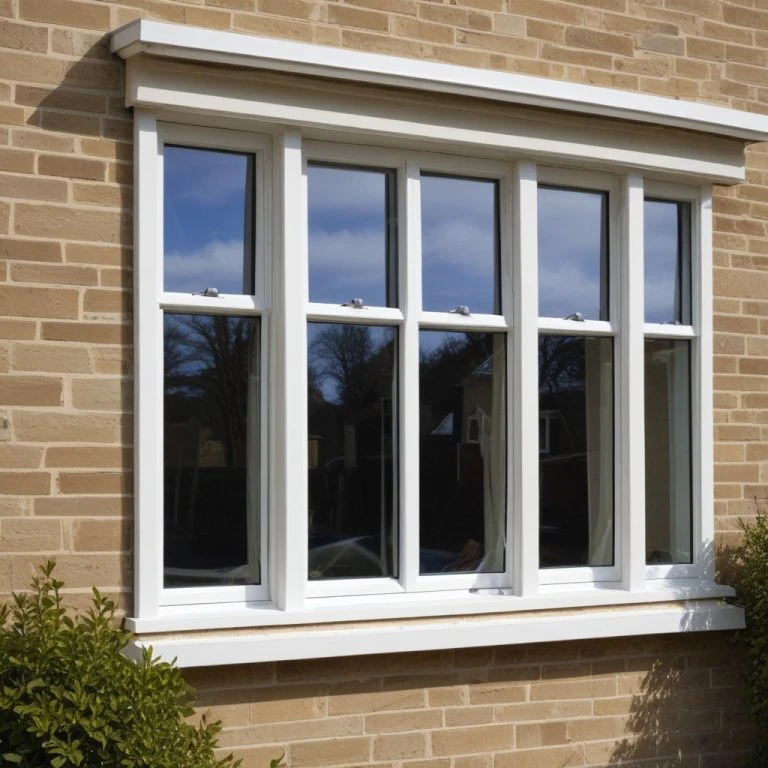
 Aluminium windows have become a staple in modern architecture, celebrated for their sleek appearance, durability, and energy efficiency. However, their journey from inception to becoming a preferred choice in home and commercial building design is a fascinating story of innovation and adaptation. This blog post explores the history and evolution of aluminium windows, highlighting key milestones, technological advancements, and the reasons behind their widespread adoption. Know more aluminium window installation.
Aluminium windows have revolutionized modern architecture, blending style, strength, and sustainability. This guide traces the historical development and technological advancements that have shaped aluminium windows into a popular choice for contemporary homes and buildings.
The Early Days of Aluminium in Construction
Origins of Aluminium
Aluminium is a relatively new metal in the history of construction, first extracted in the early 19th century. Its lightweight, corrosion-resistant properties quickly attracted interest from various industries, including construction.
- Discovery: Aluminium was first isolated by Hans Christian Ørsted in 1825.
- Commercial Production: The Hall-Héroult process, developed in 1886, made large-scale aluminium production economically viable.
Early Uses in Architecture
Initially, aluminium was used for decorative and structural elements in buildings, but not for windows. Its primary appeal was its resistance to corrosion and ease of molding into intricate shapes.
- Landmark Structures: Early uses included parts of the Empire State Building and the Statue of Liberty\'s internal structure.
- Industrial Applications: Aluminium\'s use in aircraft and automobile manufacturing paved the way for its adoption in construction.
The Advent of Aluminium Windows
The post-World War II era saw a significant rise in the use of aluminium in construction, including windows. The booming economy and housing demand prompted innovation in building materials.
- Modernist Movement: Architects like Le Corbusier and Walter Gropius embraced aluminium for its modern aesthetic and structural capabilities.
- Mass Production: Advances in manufacturing techniques allowed for the mass production of aluminium windows, making them more affordable.
Technological Advancements
Technological advancements in the mid-20th century improved the performance and appeal of aluminium windows. Key developments included the introduction of thermal breaks and anodizing.
- Thermal Breaks: These are barriers within the window frame that reduce heat transfer, improving energy efficiency.
- Anodizing: This process enhances the natural oxide layer on aluminium, providing better corrosion resistance and a range of color options.
Aluminium Windows in Modern Architecture
Contemporary Design Trends
Aluminium windows have become synonymous with modern design, offering clean lines and minimalistic aesthetics. Their versatility makes them suitable for various architectural styles, from industrial chic to sleek contemporary homes.
- Slim Profiles: Aluminium\'s strength allows for thinner frames and larger glass areas, maximizing natural light and views.
- Custom Shapes: Aluminium can be easily molded into custom shapes and sizes, supporting creative architectural designs.
Energy Efficiency and Sustainability
Modern aluminium windows are designed with energy efficiency in mind, contributing to sustainable building practices. Features such as double glazing and low-E coatings enhance thermal performance. If
- Double Glazing: Two panes of glass with a gap between them provide better insulation than single glazing.
- Low-E Coatings: These coatings reflect heat, helping to maintain indoor temperatures and reduce energy consumption. If you want to know more click on aluminium window suppliers.
Advances in Manufacturing
Continued advancements in manufacturing have further improved the quality and affordability of aluminium windows. Innovations in fabrication, such as precision cutting and welding, ensure high standards of performance and aesthetics.
- Precision Engineering: Advanced machinery allows for precise cuts and joins, ensuring perfect fit and finish.
- Recycling: Aluminium is highly recyclable, and modern manufacturing often incorporates recycled material, reducing environmental impact.
Aluminium vs. Wooden Windows
While wooden windows offer a classic look, aluminium windows provide superior durability and lower maintenance. They are also better suited to contemporary design trends.
- Durability: Aluminium does not warp, rot, or require regular painting, unlike wood.
- Maintenance: Aluminium windows are easy to clean and require minimal upkeep compared to wooden windows.
Aluminium vs. UPVC Windows
UPVC windows are known for their insulation properties and affordability, but aluminium windows offer greater strength and design flexibility. Additionally, aluminium is more environmentally friendly due to its recyclability.
- Strength: Aluminium\'s strength allows for slimmer frames and larger windows.
- Recyclability: Aluminium is 100% recyclable, whereas UPVC is less environmentally friendly.
The Future of Aluminium Windows
Innovations in Technology
The future of aluminium windows is bright, with ongoing innovations aimed at enhancing performance and sustainability. Emerging technologies and materials promise to take aluminium windows to new heights.
- Smart Windows: Integration of smart technologies, such as self-tinting glass and automated shading systems.
- Enhanced Insulation: New materials and designs that further improve thermal efficiency and reduce energy consumption.
Environmental Considerations
As sustainability becomes increasingly important, the eco-friendly aspects of aluminium windows will drive their popularity. The focus on green building practices will likely lead to more widespread adoption of aluminium windows.
- Green Building Standards: Compliance with standards like LEED and BREEAM will emphasize the use of sustainable materials like aluminium.
- Recycled Aluminium: Increased use of recycled aluminium in window manufacturing will reduce the environmental footprint.
Design Trends
Future design trends will continue to favor the sleek, modern look of aluminium windows. Innovations in finishes and colors will offer even more customization options to meet diverse aesthetic preferences.
- Minimalist Aesthetics: Continued preference for clean, minimalist designs in architecture.
- Custom Finishes: Expanded range of finishes and colors, including wood-look finishes that combine the aesthetics of wood with the benefits of aluminium.
Aluminium windows have evolved from a novel material to a cornerstone of modern architecture, thanks to their durability, design flexibility, and sustainability. Their journey is marked by technological advancements and an increasing focus on energy efficiency and environmental impact.
Whether you’re renovating an old building or constructing a new home, aluminium windows offer a compelling combination of aesthetics and performance. Embrace the sleek lines, durability, and eco-friendly nature of aluminium windows to enhance your home’s beauty and functionality for years to come.
By choosing aluminium windows, you are investing in a long-lasting, sustainable, and stylish solution that will stand the test of time. Join the growing number of homeowners and architects who appreciate the timeless appeal and modern advantages of aluminium windows.


























Sign in to leave a comment.