
Redlining is a term that refers to a discriminatory practice that started in the 1930s, aimed at excluding people of color from homeownership and wealth accumulation. The method significantly impacted the economic and social development of various cities across the United States. A preference for a particular group or class of people resulted in the loss of effective development and caused a massive upset in the growth of cities. This blog will explore the history and legacy of redlining and its impact on communities of color.
What is Redlining?
Redlining is a practice of denying or limiting financial services, including loans, to specific neighborhoods or communities based on their race or ethnicity. The practice was started by the Federal Housing Administration (FHA) in the 1930s as part of its mission to ensure that home loans were only given to "safe" borrowers. In practice, this meant that communities of color were deemed "risky" and were denied access to the FHA's loans and other financial services. The outward message was strong enough to cause people to rise against them. A statement that individuals of color and ethnicity are untrustworthy and would be a nuisance if they lived next door.
The Legacy of Redlining
The legacy of redlining is still visible in many communities today. The time was known as The Segregation Era (1900–1939). The practice created long-lasting racial segregation in cities, limiting opportunities for people of color to move into neighborhoods with better schools and jobs. This has resulted in an intergenerational wealth gap between white and non-white communities that persists. Racial discrimination was at its peak here.
The impact of redlining was not limited to homeownership. It also affected the availability of credit and capital for businesses in these communities. As a result, many companies owned by people of color struggled to secure financing, making it harder to start, grow, and run their businesses.
Efforts to Address Redlining
Over the years, there have been efforts to address the legacy of redlining. The Fair Housing Act of 1968 made it illegal to discriminate in the sale or rental of housing based on race, color, religion, sex, or national origin. However, many communities of color still face discrimination in the housing market today. As segregation deepened and racial oppression increased across the country, certain African American leaders, known as The Gifted Tenth, began to reject Booker T. Washington's conciliatory stance. In 1905, W. E. B. Du Bois and other black leaders channeled their activism by establishing the Niagara Movement.
In recent years, there have been efforts to create more equitable lending practices and increase access to homeownership for communities of color. Some organizations are working to develop alternative credit scoring models that consider factors beyond traditional credit scores, which can disproportionately impact communities of color. Others are working to create more affordable housing options in areas that have been historically excluded from homeownership.
Conclusion
Redlining was a discriminatory practice that profoundly impacted communities of color in the United States However, efforts are underway to address this legacy and create more equitable lending practices. We can clearly see that now we are moving towards a better tomorrow where we have interracial marriages taking place. Certain areas and people are still bigoted, but as the country has implemented acceptance for all races and colors, there is no need to worry about getting outcasted and moved out overnight.
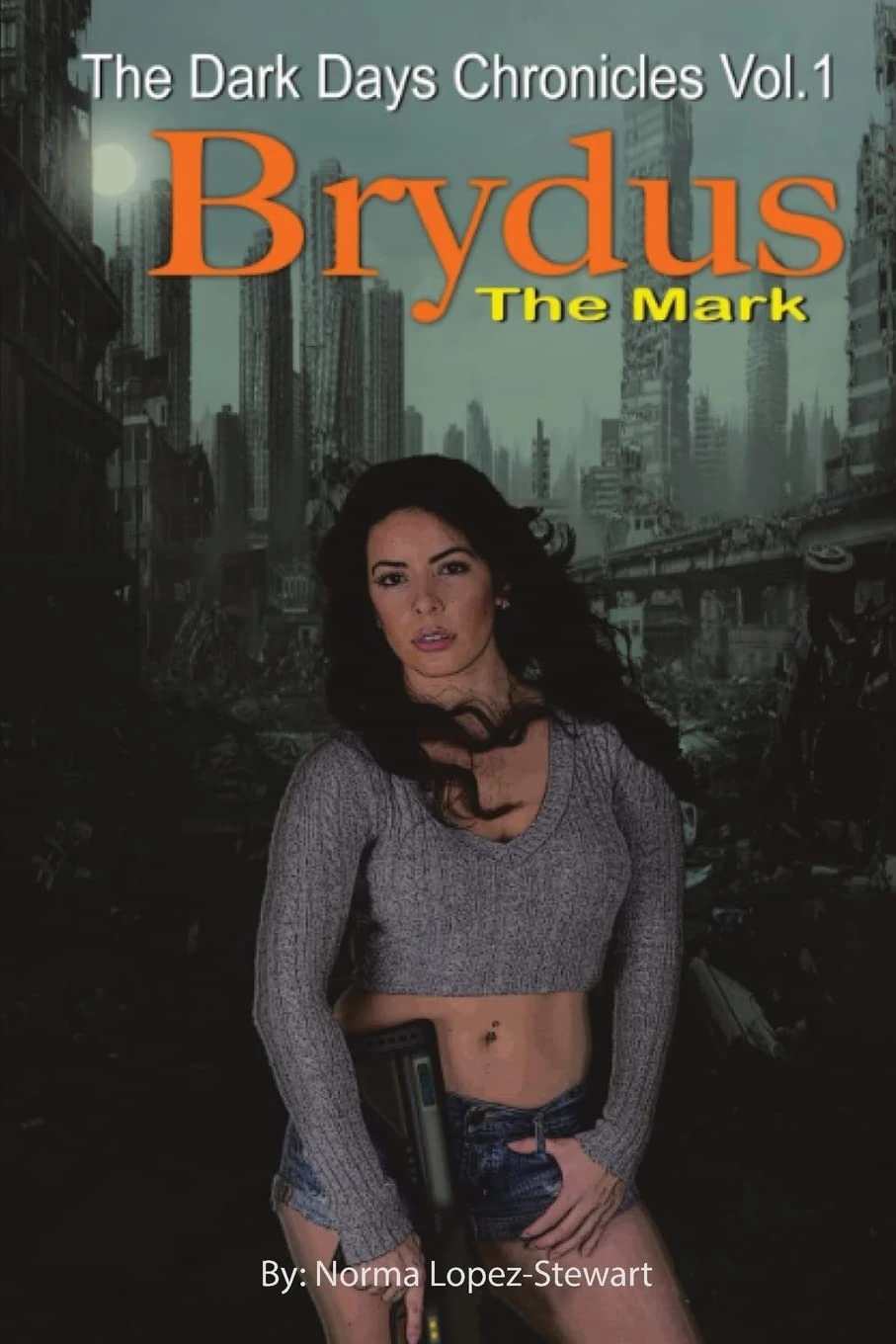
Norma Lopez-Stewart wants to provide more information about the power of acceptance, which she hopes will influence people's perceptions of how we treat one another. In her book Brydus, The Mark, she reveals that the novel takes place on a futuristic Earth where technology and cosmetic surgeries have wiped pigment from people's skin. Still, one child, Brydus, is born with a distinguishing feature.the book has a powerful message on acceptance for everyone struggling. Order your copy now and share the love by clicking here https://amz.run/6cNv
























Sign in to leave a comment.