
Slot machines are one of the most popular casino games in the world. With the sound of coins clinking and lights flashing, slot machines have captivated players for over a century. This article explores the history of slot machines, from their inception to their evolution into the modern digital era.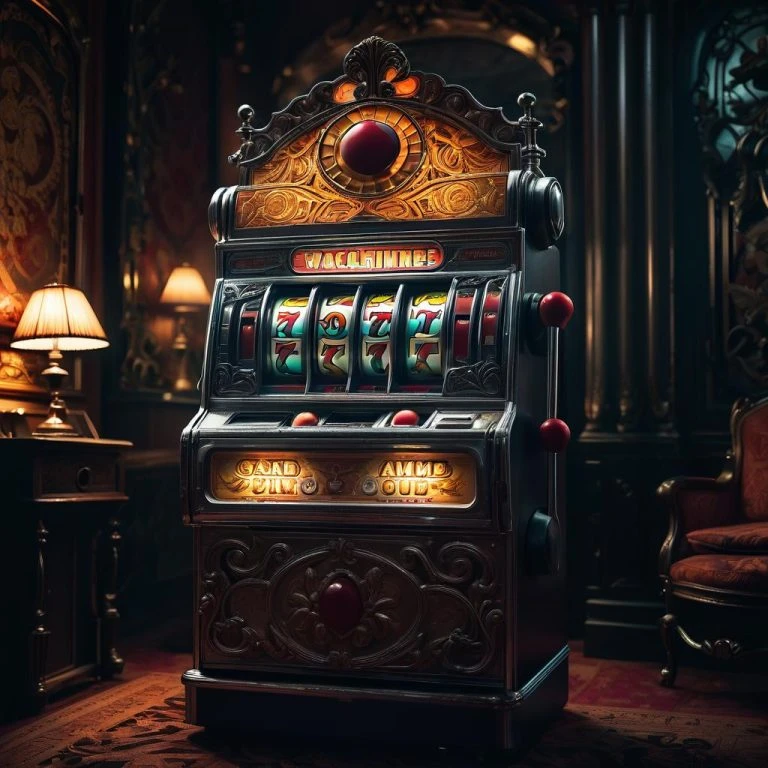
The Beginnings of Slot Machines
The history of slot machines begins in the late 19th century with a San Francisco mechanic named Charles Fey. In 1895, Fey created the first slot machine known as the Liberty Bell. This machine had three spinning reels with symbols such as hearts, spades, diamonds, and a cracked Liberty Bell. To win, players needed to line up three Liberty Bell symbols, which awarded the highest payout of 50 cents. The simplicity and winning potential of the Liberty Bell made it extremely popular.
Development of Slot Machines
In 1907, Herbert Mills, a Chicago-based manufacturer, produced a slot machine called the Operator Bell. This machine was very similar to the Liberty Bell but included fruit symbols such as cherries, lemons, and plums. These fruit machines became very popular across the United States and are the predecessors of modern slot machines.
Prohibition Era and Payout Machines
During the early 20th century, several U.S. states began to impose bans on gambling, including slot machines. To circumvent these laws, slot machines started to offer non-monetary prizes, such as chewing gum with fruit flavors corresponding to the symbols on the reels. This allowed slot machines to remain popular despite legal restrictions.
The Electromechanical Era
In 1963, Bally Technologies released the first electromechanical slot machine called Money Honey. This machine was a significant leap from its mechanical predecessors, using electrical components to operate the reels and other features. Money Honey was also the first slot machine to feature a bottomless hopper and automatic payouts of up to 500 coins, which increased the popularity of slot machines in casinos.
The Digital Revolution
- The First Video Slot (1976)
In 1976, Fortune Coin Company introduced the first video slot machine. This machine used a 19-inch Sony television screen to display digital reels. Initially, players were hesitant to accept video slots, preferring mechanical reels. However, video slots eventually gained popularity due to their ability to offer more features and game variations.
- Online Slots (1990s)
With the advent of the internet in the 1990s, slot machines underwent another significant revolution. Companies like Microgaming and NetEnt began developing online slot machines, allowing players to enjoy their favorite games from the comfort of their homes. Online slots offered better graphics, diverse themes, and exciting bonus features. Additionally, progressive jackpots became hugely popular, offering prizes that could reach millions of dollars.
The Modern Era and the Future
- Mobile Slots and VR Technology
Today, slot machines continue to evolve with the latest technologies. Mobile slot games enable players to enjoy slots anytime and anywhere using their smartphones or tablets. Additionally, virtual reality (VR) technology is being introduced in the slot machine industry, offering a more immersive and interactive gaming experience.
- Slot Mahjong and Themed Games
One of the interesting developments in the world of slot machines is the introduction of uniquely themed games like Slot Mahjong. Combining elements from the traditional Mahjong game with modern slot machine mechanics, Slot Mahjong provides a different and engaging experience for players.
Slot machines have come a long way since Charles Fey created the Liberty Bell in 1895. From simple mechanical devices to advanced video slots and online games, technological advancements have continually driven innovation in the industry. With new technologies like mobile gaming and VR on the horizon, the future of slot machines looks bright and full of new possibilities. Slot machines are not only a popular casino game but also an integral part of global entertainment culture.



























Sign in to leave a comment.