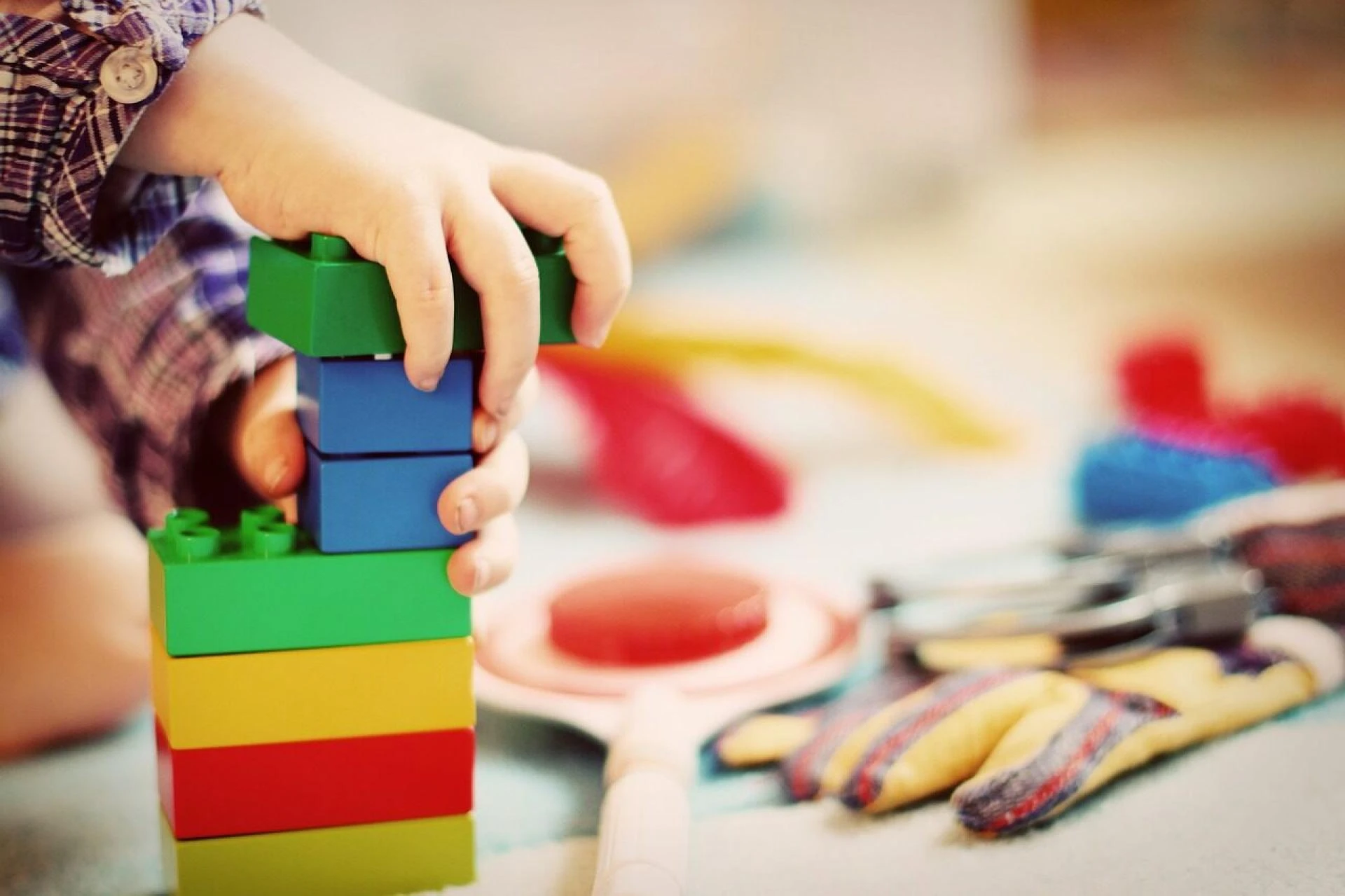

Sensory integration therapy has emerged as a transformative approach to addressing sensory processing challenges in children. This therapy, which focuses on helping children understand and process sensory information, is crucial to their overall development and learning. By engaging children in activities that stimulate their senses of touch, balance, sight, and sound, sensory integration therapy can lead to significant improvements in various developmental areas.
Let’s explore the benefits of sensory integration therapy and its impact on child development, particularly for children attending special needs schools in Hyderabad and those enrolled in special education programs.
Understanding Sensory Integration Therapy
Sensory integration therapy is based on the idea that sensory processing issues can hinder a child's ability to perform everyday tasks, learn new skills, and interact socially.
The Principles of Sensory Integration Therapy
Sensory integration therapy follows several core principles:
Individualized Approach: Each child’s sensory processing needs are unique. Therapists tailor activities to address specific sensory challenges and developmental goals.Play-Based Activities: Engaging children in fun, play-based activities encourages participation and makes therapy enjoyable. Activities might include swinging, climbing, playing with textured materials, and balancing exercises.Gradual Progression: Activities are designed to gradually increase in complexity, helping children build confidence and skills over time.Parent Involvement: Parents are often involved in therapy sessions and learning techniques to support their child’s sensory development at home.Benefits of Sensory Integration Therapy
Sensory integration therapy offers numerous benefits that can positively impact a child’s development and learning. These benefits are particularly valuable for children attending special needs education centers.
Improved Sensory Processing
One of the primary goals of sensory integration therapy is to help children develop better sensory processing capabilities. By engaging in activities that challenge their senses, children learn to process and respond to sensory information more effectively. This improvement can lead to better coordination, balance, and spatial awareness.
Enhanced Cognitive Development
Sensory integration therapy stimulates the brain, promoting cognitive development in children. Activities that require problem-solving, decision-making, and critical thinking help strengthen neural connections. As a result, children may experience improvements in memory, attention, and overall cognitive functioning.
Better Motor Skills
Many sensory integration activities focus on improving fine and gross motor skills. Fine motor skills involve the use of small muscles, such as those in the hands and fingers, while gross motor skills involve larger muscle groups used for movements like running and jumping. By practicing these skills in a therapeutic setting, children can develop greater dexterity, coordination, and physical strength.
Social and Emotional Growth
Children with sensory processing challenges often struggle with social interactions and emotional regulation. Sensory integration therapy can help address these issues by providing a safe and supportive environment for children to practice social skills and emotional regulation. Activities that involve group play, turn-taking, and communication can foster social connections and build confidence.
Reduced Anxiety and Behavioral Issues
Sensory processing challenges can often lead to anxiety and behavioral issues in children. Sensory integration therapy helps children develop coping mechanisms to manage sensory overload and other triggers. By providing a structured and predictable environment, therapy sessions can reduce anxiety and help children learn appropriate ways to respond to sensory stimuli.
Implementing Sensory Integration Therapy in Schools
Special needs schools in Hyderabad and schools for autism in Kondapur are increasingly recognizing the importance of sensory integration therapy in supporting their students’ development. Implementing sensory integration therapy in educational settings can create a more inclusive and supportive learning environment for children with sensory processing challenges.
Creating Sensory-Friendly Classrooms
Special education schools can create sensory-friendly classrooms by incorporating sensory integration principles into the learning environment. This might include providing sensory tools such as weighted blankets, fidget toys, and noise-canceling headphones. Teachers can also incorporate sensory breaks into the daily schedule, allowing children to engage in activities that help regulate their sensory systems.
Individualized Education Plans (IEPs)
Developing individualized education plans (IEPs) for students with sensory processing challenges can ensure that their unique needs are addressed. IEPs should outline specific sensory goals and strategies for achieving them. Regular assessments and adjustments to the IEP can help track progress and modify the therapy plan.
Discover how KARUNA’s sensory integration therapy can support your child’s development and learning. Contact them to learn more about their special education programs and how their team can help your child reach their full potential.
Author’s Bio
This post’s author is an expert in child development and special education, with years of experience in creating inclusive learning environments for children with diverse needs. The author is passionate about promoting innovative therapies and educational strategies that support the holistic development of all children.


























Sign in to leave a comment.