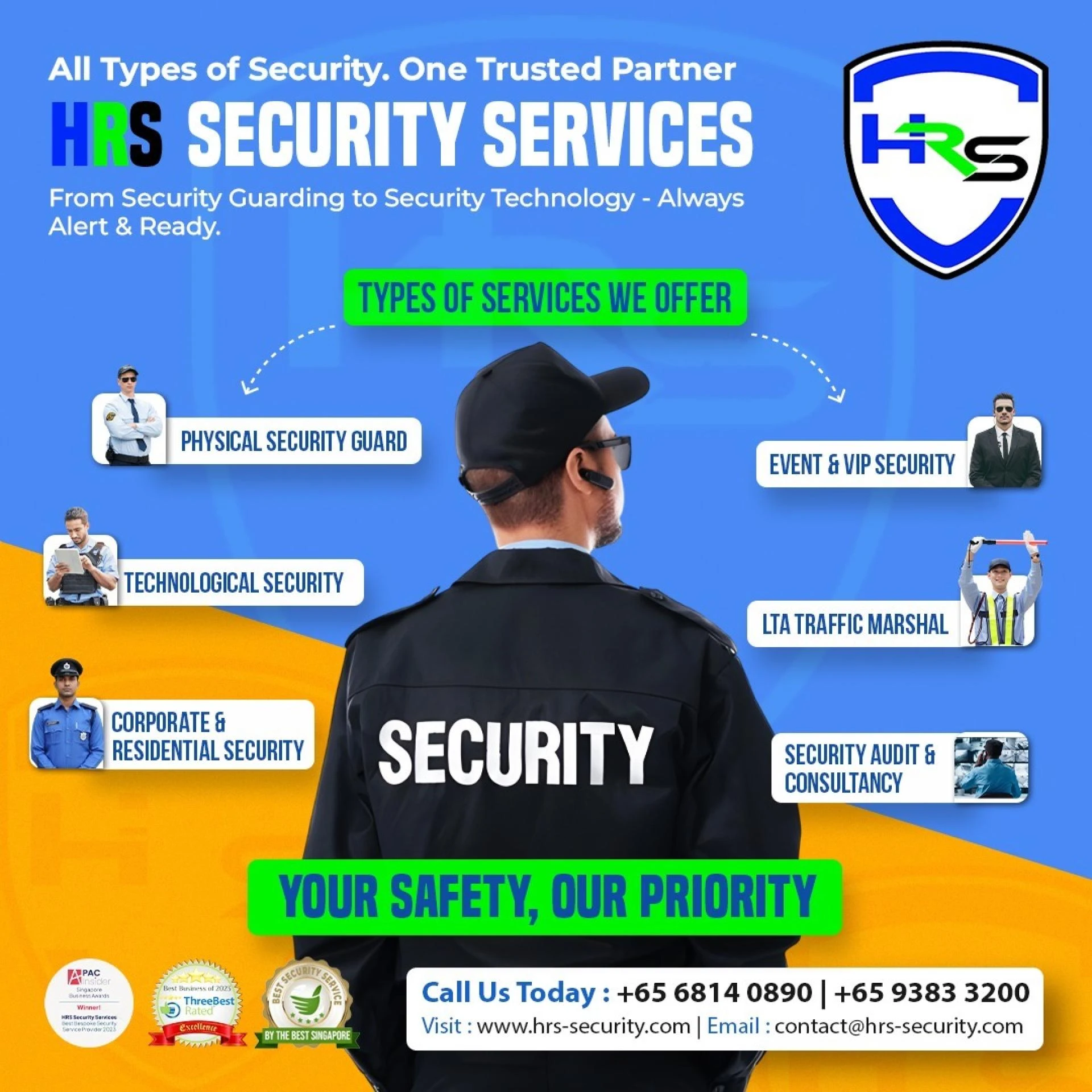

Singapore is widely recognised as one of the safest countries in the world. However, safety is not achieved by chance. Behind secure residential estates, orderly commercial buildings, and well-managed public events lies a structured security framework where professional security guards play a vital role. As Singapore continues to develop into a dense, smart, and highly connected city, the need for trained security personnel remains as relevant as ever.
The Evolving Security Landscape in Singapore
Urban development in Singapore has resulted in a wide range of environments that require active security management. Condominiums, office towers, industrial facilities, construction sites, and event venues each present unique security challenges. Unauthorized access, theft, vandalism, and safety incidents can occur even in well-regulated spaces if security measures are not properly implemented.
Security guards are often the first line of defence in these environments. Their presence alone acts as a strong deterrent to potential threats, while their training enables them to respond appropriately to incidents before they escalate.
Role of Security Guards Beyond Access Control
Many people associate security guards primarily with access control, but their responsibilities extend far beyond checking entry points. In Singapore, security officers are expected to perform duties that support both safety and operational efficiency.
These responsibilities may include patrolling premises, monitoring suspicious activities, managing visitor registrations, handling conflict situations, and coordinating emergency responses. In residential settings, guards help maintain order and provide reassurance to residents. In commercial and industrial locations, they support asset protection and enforce site-specific safety protocols.
By maintaining a visible and professional presence, security guards contribute to a controlled and secure environment that supports daily operations.
Importance of Licensing and Training
Singapore’s private security industry is regulated under strict standards to ensure quality and professionalism. Licensed security guards are required to undergo mandatory training and comply with established regulations. This ensures that officers are equipped with the knowledge and skills needed to manage real-world security scenarios.
Training typically covers areas such as incident response, communication skills, emergency preparedness, and legal responsibilities. This structured approach helps reduce risks associated with untrained personnel and ensures consistency across different security deployments.
For organisations and property managers, engaging licensed and trained guards provides confidence that security operations align with national standards and best practices.
Addressing Common Security Challenges
Different environments in Singapore face different security concerns. Residential properties often deal with issues such as unauthorized visitors, delivery management, and resident safety. Commercial buildings may face challenges related to after-hours access, data protection, and workplace safety. Construction sites require strict perimeter control and monitoring to prevent theft and accidents.
Security guards are trained to adapt their approach based on the environment they operate in. Through routine patrols, observation, and adherence to standard operating procedures, they help mitigate risks and maintain a secure atmosphere.
Their ability to assess situations in real time and take appropriate action is a key advantage that technology alone cannot replicate.
Human Presence Versus Technology
With the rise of smart security systems, some may question whether technology can replace security guards. While tools such as CCTV cameras and access control systems are valuable, they are most effective when combined with human oversight.
Security guards provide situational awareness, judgement, and decision-making that technology lacks. They can interpret behaviour, communicate with individuals, and respond dynamically to unexpected situations. In emergencies, the presence of trained personnel can make a critical difference in managing outcomes.
Rather than replacing guards, technology serves as a support tool that enhances their effectiveness.
Security Guards in Emergency Situations
Emergencies require calm, coordinated responses. Security guards are often trained to manage situations such as medical incidents, fire alarms, evacuations, and security breaches. Their familiarity with the site layout and procedures allows them to act quickly and guide occupants to safety.
In many cases, security officers also serve as the link between occupants and emergency services, ensuring accurate information is communicated and response efforts are supported effectively.
This role highlights the importance of having competent personnel on-site who can take responsibility during critical moments.
Building Trust and Confidence
A professional security presence contributes to a sense of order and confidence among occupants, visitors, and stakeholders. In residential areas, this reassurance enhances quality of life. In commercial environments, it supports business continuity and employee well-being.
Security guards often interact with the public, making communication skills and professionalism essential. Their conduct reflects the overall management standards of the property or organisation they serve.
Conclusion
Despite Singapore’s reputation for safety, ongoing vigilance remains essential in a rapidly evolving urban landscape. Professional security guard services continue to play a crucial role in maintaining order, managing risks, and supporting emergency responses across a wide range of environments.
By understanding the responsibilities, training, and value that security guards bring, property owners and organisations can make informed decisions about safeguarding people and assets. In a modern city where safety expectations are high, the human element of security remains indispensable.





















Sign in to leave a comment.