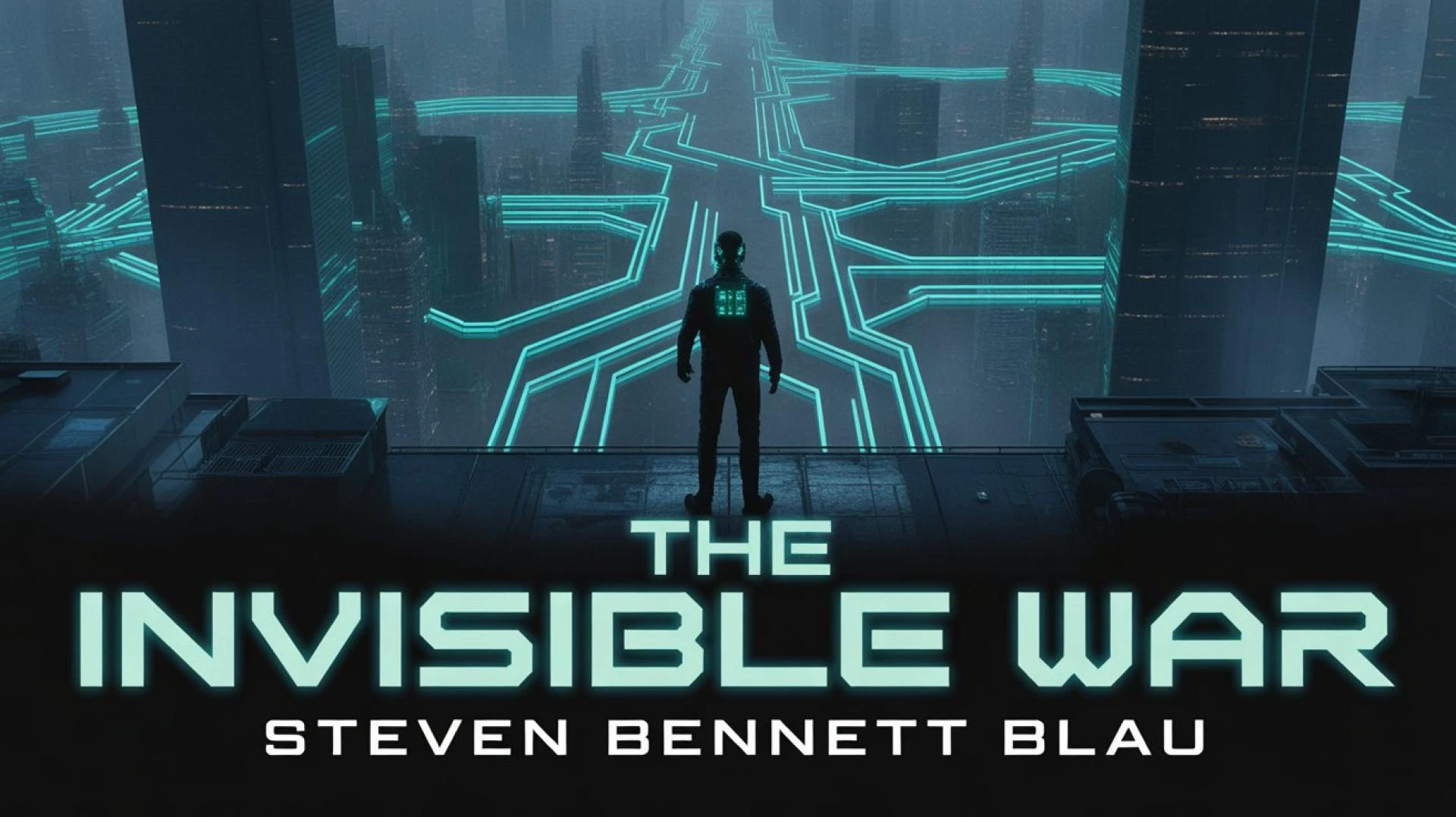
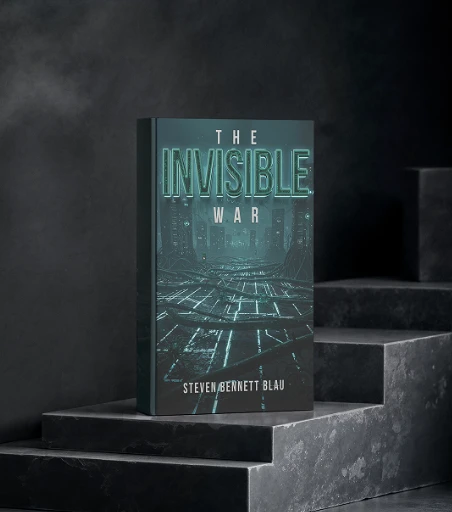
The modern literary marketplace is constantly evolving, shaped by technological advancement, shifting reader interests, and real-world anxieties. In recent years, stories centered on digital conflict, cybercrime, and unseen technological threats have gained exceptional traction. Against this backdrop, The Invisible War Book emerged as a standout success, captivating readers with its timely themes and intelligent execution. Rather than relying on spectacle alone, the book resonated because it reflected genuine concerns about privacy, security, and power in an increasingly interconnected world. Its market success is best understood by examining how relevance, storytelling craft, and strategic positioning worked together to elevate it above competing titles.
Understanding the Market Appeal of Cyber-Themed Fiction
Growing Public Awareness of Cyber Threats
Cybersecurity issues are no longer abstract concepts reserved for specialists. Data breaches, identity theft, and digital surveillance frequently dominate news cycles, shaping public perception and concern. Fiction that mirrors these realities naturally attracts attention, as readers seek stories that help them process modern risks through narrative. By anchoring its premise in recognizable digital dangers, the novel immediately felt relevant and urgent.
Emotional Connection Through Invisible Stakes
Unlike traditional warfare stories, cyber conflict operates behind the scenes, often unseen until damage is done. This invisible nature creates psychological tension rather than visual spectacle. Readers are drawn to the subtle fear of loss of control, privacy, and trust. The story effectively translated these invisible stakes into emotional experiences, allowing readers to connect deeply with the narrative.
Market Demand for Intelligent Thrillers
Today’s readers increasingly prefer thrillers that challenge them intellectually. Rather than simplified plots, they seek layered narratives that reward attention and critical thinking. This shift in demand helped position cybercrime fiction as a premium genre rather than a niche interest, expanding its commercial appeal.
Strategic Storytelling That Keeps Readers Engaged
Layered Plot Architecture
One of the most effective elements of The Invisible War Book is its carefully constructed plot. Multiple narrative threads unfold simultaneously, gradually intersecting in meaningful ways. This approach maintains momentum while encouraging readers to stay invested over longer reading sessions. Each revelation builds upon the last, creating a sense of forward motion without sacrificing clarity.
Character-Driven Tension
Rather than allowing technology to dominate the story, the narrative places human decisions at its center. Characters face moral dilemmas, professional pressures, and personal risks that mirror real-life responses to digital crises. These internal conflicts create tension that feels authentic and relatable, making the stakes feel personal rather than abstract.
Balancing Complexity With Accessibility
Cybercrime can easily become overwhelming if handled poorly. The story succeeds by presenting complex ideas in digestible ways, ensuring that readers without technical backgrounds can still follow and enjoy the narrative. This balance broadened the book’s audience and contributed to its commercial success.
Marketing Choices That Expanded Reach and Visibility
Clear Genre Positioning
Effective market success requires clear positioning. The novel was consistently presented as a contemporary cybercrime thriller, helping readers immediately understand what they were getting. This clarity reduced friction at the point of purchase and strengthened trust in the reading experience.
Leveraging an Existing Reader Base
Readers already familiar with Books by Steven Blau formed a strong foundation for early interest. Their expectations were shaped by previous works, and that trust translated into early sales and reviews. A loyal audience often serves as the most powerful marketing tool, especially during a book’s initial release phase.
Organic Growth Through Reader Advocacy
Rather than relying solely on paid promotion, the book benefited from genuine reader recommendations. Reviews highlighted its relevance, pacing, and realism, encouraging others to explore it. Over time, this organic advocacy sustained momentum and extended the book’s market lifespan.
Authorial Vision and Creative Consistency
Commitment to Research and Authenticity
Credibility is critical in cyber-themed fiction. The narrative reflects a strong commitment to research, ensuring that scenarios feel plausible rather than exaggerated. This authenticity enhanced reader immersion and distinguished the book from less grounded thrillers.
Consistent Narrative Voice
Readers value consistency in tone and storytelling approach. The book maintains a steady narrative voice throughout, reinforcing its themes and emotional impact. This consistency helps build trust and encourages readers to explore more Books by Steven Blau with confidence.
Long-Term Brand Building
Market success is rarely the result of a single title alone. It often reflects an ongoing relationship between author and audience. By delivering a cohesive and satisfying experience, the book strengthened the author’s literary brand and reinforced expectations for future works.
Key Insights and Practical Suggestions
Before moving into the FAQs and conclusion, here are five key suggestions inspired by the book’s success:
- Align fictional narratives with real-world concerns to enhance relevance.
- Prioritize character development alongside technical accuracy.
- Use layered storytelling to sustain reader engagement.
- Position books clearly within their genre to attract the right audience.
- Build long-term credibility through consistent quality and research.
Frequently Asked Questions (FAQs)
Q1: What makes The Invisible War Book stand out in its genre?
Its realistic portrayal of cyber threats combined with strong character-driven storytelling.
Q2: Is the book accessible to readers without technical knowledge?
Yes, complex ideas are explained clearly and naturally within the story.
Q3: Why are cybercrime thrillers gaining popularity?
They reflect modern concerns about privacy, security, and digital power.
Q4: Does the book focus more on action or strategy?
It balances suspenseful action with strategic and psychological depth.
Q5: How does it compare with other Books by Steven Blau?
It builds on familiar strengths while exploring more contemporary themes.
Conclusion
The impressive success of The Invisible War Book highlights how modern fiction thrives when it intersects with real-world relevance, disciplined storytelling, and thoughtful market positioning. By addressing invisible yet deeply felt threats, the novel captured both reader attention and trust. Its achievement also reinforces the growing influence of cybercrime fiction within contemporary literature and strengthens the reputation of Books by Steven Blau as compelling, intelligent narratives. Ultimately, the book’s impact reflects the creative vision and narrative precision of Steven Bennett Blau, whose work continues to engage readers navigating an increasingly digital world.


















Sign in to leave a comment.