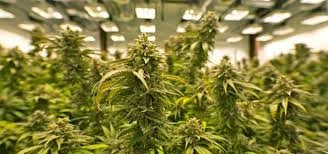

The story of Recreational Cannabis in the United States is one of transformation, controversy, and progress. Once stigmatized and criminalized, cannabis has now become a mainstream product, available in many states through licensed Cannabis Shop locations. This journey from prohibition to acceptance reflects changing public opinions, political shifts, and growing awareness about cannabis’s social and economic impact.
The Early Days: Cannabis Before Prohibition
Before cannabis became a subject of debate, it was widely used for medical and industrial purposes in the 19th and early 20th centuries. Hemp, a type of cannabis, was valued for its strong fibers, and cannabis tinctures were common in pharmacies. However, by the 1930s, social and political factors led to fear-based campaigns and misinformation. In 1937, the Marijuana Tax Act made cannabis possession and sales illegal, marking the beginning of decades of prohibition.
The War on Drugs Era
In 1970, the U.S. government passed the Controlled Substances Act, classifying cannabis as a Schedule I drug — the same category as heroin and LSD. This marked the beginning of the “War on Drugs,” a campaign that criminalized millions of people, especially from minority communities. Cannabis possession led to harsh punishments, and the plant was portrayed as dangerous, despite a lack of scientific evidence supporting that view.
The First Signs of Change
By the 1990s, public attitudes started to shift. Research began to highlight potential medical benefits of cannabis, particularly for chronic pain and nausea relief. California became the first state to legalize medical marijuana in 1996, paving the way for others to follow. Activists, patients, and doctors started challenging outdated laws, and decriminalization efforts slowly gained traction in several states.
The Breakthrough: Colorado and Washington Lead the Way
The real turning point came in 2012 when Colorado and Washington became the first states to legalize Recreational Cannabis for adults. These states introduced regulated systems where adults over 21 could buy cannabis from licensed retailers. Their success inspired other states to follow. This change marked not only a legal milestone but also a cultural shift — cannabis was now being viewed as a legitimate industry rather than an underground activity.
The Expansion Across the United States
Following Colorado and Washington’s lead, states like Oregon, Alaska, California, Nevada, and Michigan legalized recreational cannabis use. Each state developed its own regulations for cultivation, retail sales, and taxation. The cannabis industry began to flourish, creating thousands of jobs and contributing billions of dollars in tax revenue. Cities saw the rise of the modern Cannabis Shop, offering customers a variety of strains, edibles, and accessories in professional, welcoming environments.
Federal vs. State: The Ongoing Conflict
Despite legalization at the state level, cannabis remains illegal under federal law. The conflict between state and federal regulations creates challenges for businesses, especially in banking and interstate commerce. However, federal agencies have mostly taken a hands-off approach in states that have implemented strong regulatory systems. Lawmakers continue to debate national reform, and many believe that federal legalization is inevitable in the coming years.
The Impact of Legalization
Legalization has brought significant economic benefits, including increased tax revenue and job creation. States have used cannabis taxes to fund schools, healthcare, and community programs. Socially, legalization has helped reduce arrests and promote criminal justice reform through expungement of past convictions. At the same time, public health efforts focus on safe consumption, age restrictions, and education about responsible use of Recreational Cannabis.
Public Opinion and Future Outlook
Public support for cannabis legalization has reached record highs. Surveys show that more than two-thirds of Americans now favor legalizing recreational use. Younger generations see cannabis as part of normal social life rather than a taboo subject. With growing acceptance and successful state-level programs, the U.S. is moving closer to a future where cannabis is treated like alcohol — regulated, taxed, and used responsibly.
Conclusion
The journey of Recreational Cannabis legalization in the U.S. reflects a profound cultural and political shift. From strict prohibition to modern-day acceptance, the progress has been remarkable. As more states continue to legalize and regulate cannabis, the focus is shifting toward responsibility, safety, and equity. Whether you’re learning about its history or exploring products from a trusted Cannabis Shop, one thing is clear — the future of recreational cannabis in America is bright, inclusive, and full of opportunity.




























Sign in to leave a comment.