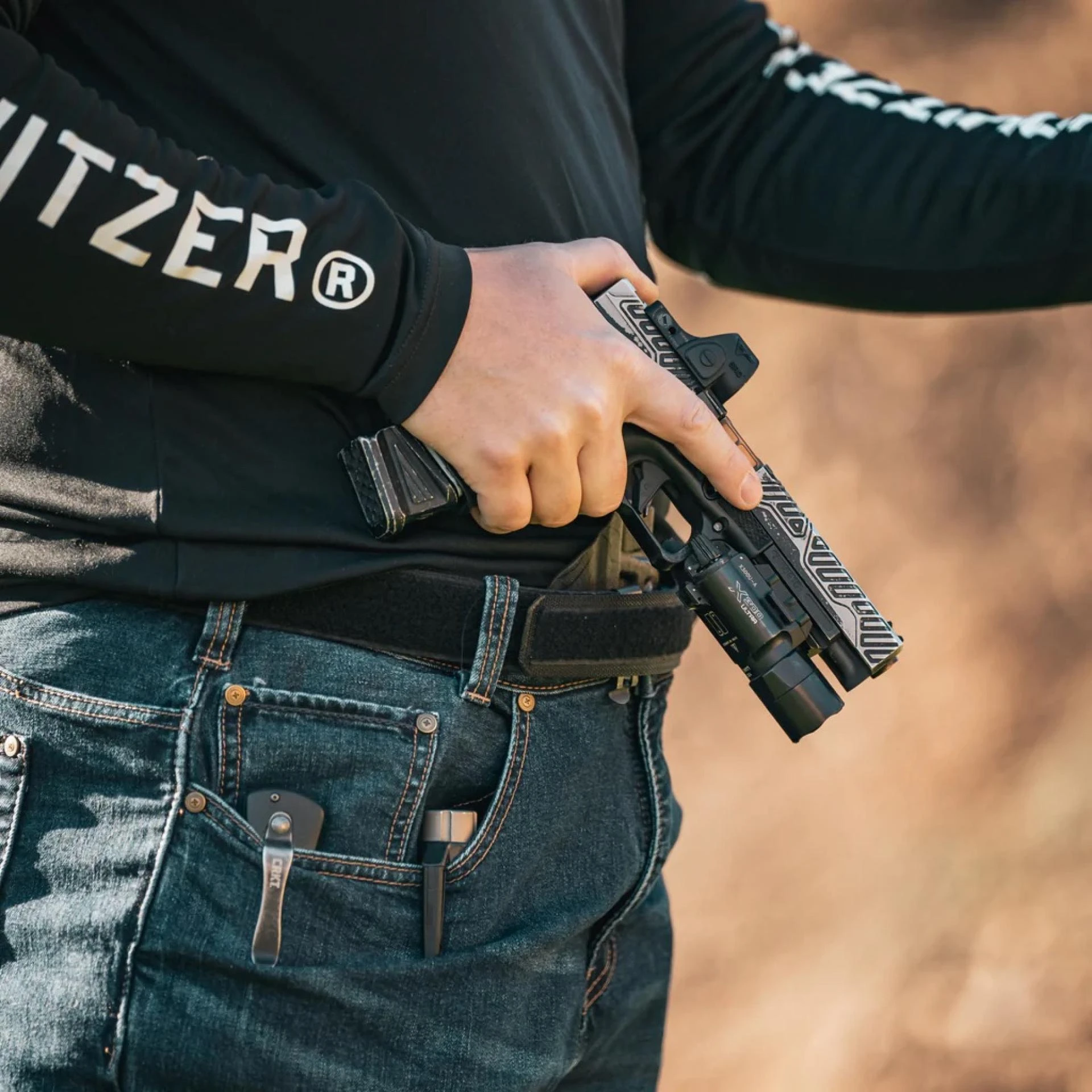

Some new shooters think a clean draw is all about speed. It isn’t. Speed is just the result you get once everything else is dialed in. The real performance gains come from understanding the proper mechanics. It’s the difference in the details that either set you up for a perfect shot or hold you back with inconsistencies you won’t notice until you’re in a high-pressure situation.
This isn’t theory. It’s the stuff you can only learn after thousands of reps.
Here’s a breakdown of what actually matters for a clean draw.
Grip Starts Before You Touch The Gun
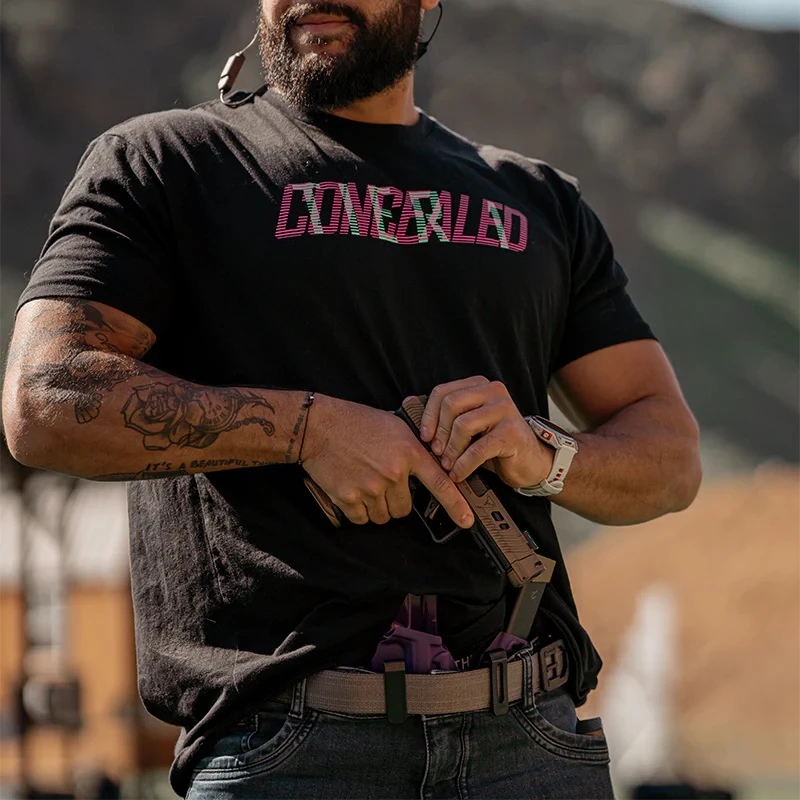
Whether you’re training or in a real-world scenario, your draw doesn’t start at the beep or once you reach for your firearm. It starts with how you’ve already positioned your hands, posture, and where your attention sits. A consistent hand sweep to your gun builds the foundation for a repeatable grip every single time. Remember, the first point of contact determines everything. Rushing this step is why most shooters have “fast draws” that don’t hold up the second they add stress or movement to the equation.
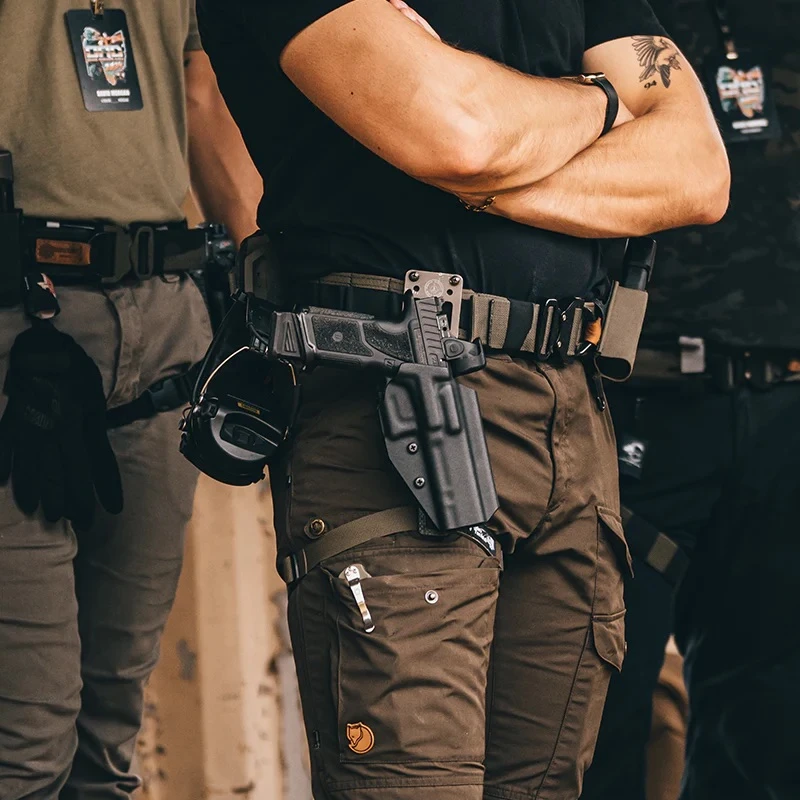
The right holster height and angle make your grip feel automatic, as opposed to a reach-and-hope movement. When reaching for your gun becomes second nature, your draw from your appendix carry holster becomes muscle memory, no extra thought needed.
Clearing the Holster Is Half the Battle
Once your grip is set, the goal is a straight, efficient pull with no fishing, no wobbling, no wasted motion. A Glock 19 holster with light retention should resist just enough to keep you safe, but not enough to break the rhythm of your draw. Keep your elbow close to your torso so you pull with your core, prioritizing a vertical motion instead of yanking sideways.
Keep in mind that you want to just clear your holster completely and give your support hand the room it needs for gripping and orienting your gun toward your target. Draw too high, and your thumb might get caught on your clothing. A sloppy clear slows everything down and forces minor corrections that really show under stress.
Presentation Is Where Consistency Turns Into Accuracy
Once your gun clears your holster for Glock 43X, or any other firearm you concealed carry, the rotation to present should feel like one connected movement, not two separate steps. Your support hand should meet the gun at the same point every time to build automatic alignment. This is where new shooters might rush, throw the gun out too far, and end up “correcting into” their first shot. Instead, work through each step at a comfortable pace to dial in every detail. Then, you can run drills to increase your speed with a solid foundation for optimized mechanics.
About Tier 1 Concealed
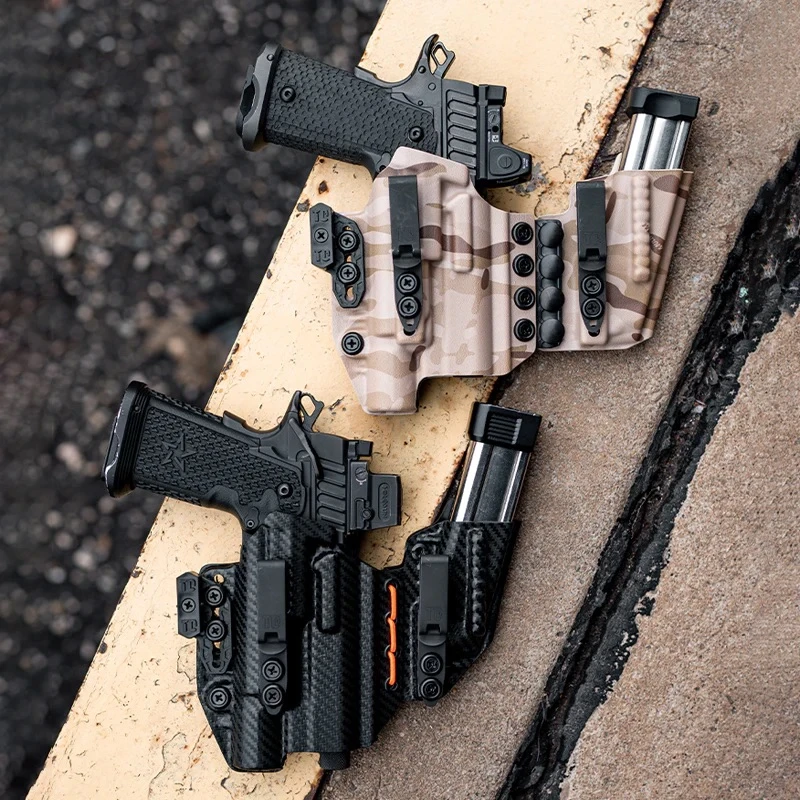
Tier 1 Concealed makes gear for real shooters who carry every day. Their selection ranges from Kydex rigs to belt-mounted accessories to upgrade your carry system. Every Tier 1 holster is designed, tested, and refined by shooters who understand what everyday carry requires of your equipment. Whether you’re dialing in your first EDC setup or perfecting a tried-and-true system, T1C gives you the fit, consistency, and confidence to stay ready for anything.
Perfect your draw with equipment made for your setup at https://www.tier1concealed.com/
Original Source: https://bit.ly/3YsoVjs


























Sign in to leave a comment.