
You wake in Miami to sun, skyscrapers, traffic, surf. But just an hour later, you can find yourself in a place that feels nothing like the city. Somewhere marshy, quiet, full of invisible life. That’s the magic of stepping off the shoreline and onto the Everglades for a day trip.
On Everglades Tours in Miami your day transforms. You cross from concrete into grass seas, from motor noise into wind and water. It’s not better or worse than the city — just another world.
If you’re plotting a day that balances ease with wilderness, this is your blueprint. I’ll walk you through where to go, what you’ll experience, what to bring, and how to make it feel like an otherworldly escape.
Why the Everglades Tribe with Miami
A short drive, a long shift
The Everglades National Park lies partly in Miami-Dade County. It’s about one million acres of swamp, marsh, and slow water flow. You don’t need to venture far to reach a world radically different from Miami’s bustle.
Ecosystems you won’t expect
This is subtropical wilderness. You’ll see mangroves, cypress trees, sawgrass, sloughs, islands floating in water. Water levels rise and fall with seasons. Nature here works on its own schedule.
Tourism meets nature
Because the Everglades is protected land (a national park), tours are regulated. You don’t get wild access everywhere. But the zones open to tours show you the core of the system — wildlife, silence, water movement — without overstepping boundaries.
The Day Trip Structure: How It Unfolds
Morning departure
You leave Miami in the early hours. In many tours, there’s a pickup or meeting point downtown. On the drive, your guide might talk about water flow, canals, the Tamiami Trail (US-41), and how roads altered the Everglades.
Arrival, quick intro & safety briefing
Once you arrive at the airboat or tour launch site, guides give you instructions — seating, gear, rules. You’ll hear about wildlife, and what you may see, and the perils of soft ground, shifting water, or sudden weather.
The airboat ride & exploration
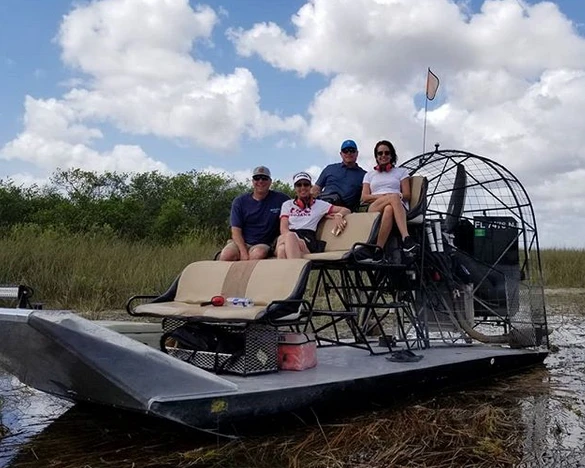
This is the heart. You’ll skim over marshes, duck under tree limbs, see grasses, water, shadows. On many tours, you’ll stop to watch animals or let the guide slow for quiet observation.
Wildlife shows or walking exhibits
Many tours combine the ride with a short walk or wildlife exhibit: alligator viewing, boardwalks, ranger exhibits, small paths.
Return in afternoon
You head back to Miami, often with stories, a few photos, and fatigue. The sunlight may shift, the drive may reveal patches of marsh and canal you didn’t see before.
What You’ll Sense: Sound, Light, Wildlife
Sound and silence
During the ride, the propeller’s roar and wind dominate. But in slower stretches, you catch bird calls, rustles in grass, distant splashes. That contrast between roar and quiet is sharp.
Light & shadow play
Water reflects sky, glints, dark patches under grass, shifting textures. The sun angles through cypress limbs, casting patterns. If you’re out close to dusk, pink and gold sky mix with green water.
Wildlife close enough to make you pause
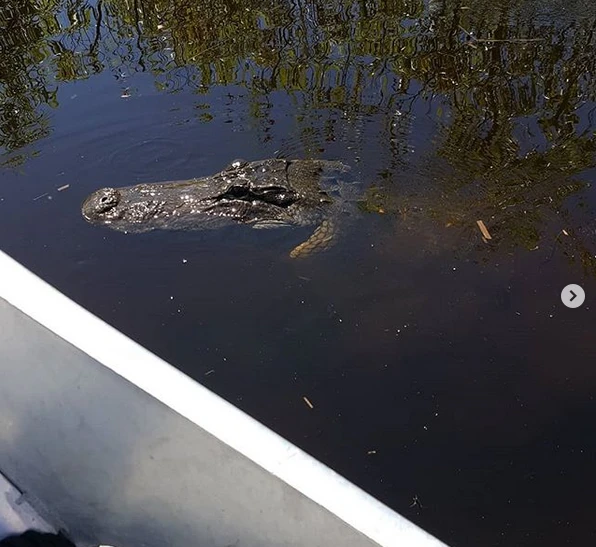
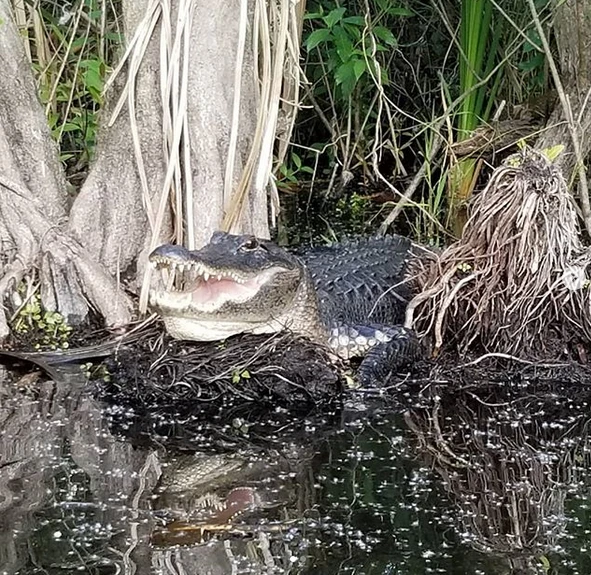
You’ll see alligators, turtles, wading birds, maybe snakes or otters. Many species live here — the ecosystem is dense.
Because you’re on water, your view extends both near and under surface.
The wetness & smell
Expect spray on your face, moisture in the air, earthy smells, wet grass, water scent. It’s humid, alive.
Choosing the Right Tour Options
Duration & depth
Some tours last 30–60 minutes. Others go half-day, or combine with walking. The longer tours let you reach quieter zones less touched by noise.
Distance & wilderness level
Some tours hug the near marsh edges; others push deeper into the heart. If you want that “other planet” feel, choose a tour that ventures farther, not just the fringe.
Guide experience & narrative
A good guide knows flora, fauna, local water flows, weather patterns, history. Their stories turn the ride into more than scenic.
Combo tours
Some integrate other modes: walking trails, tram rides, mangrove boat rides, or wildlife shows. These broaden your experience.
What to Pack & How to Dress
- Light, quick-dry clothing
- Long sleeves & pants (for sun, insects)
- Sunblock, hat, sunglasses (polarized helps)
- Insect repellent
- Water, snacks
- Waterproof bag or zip pouch (for phone, camera)
- Shoes that can get wet or dirty (water shoes or old sneakers)
Also, pack patience, willingness to stay quiet, eyes open — that mindset helps you catch smaller moments.
Risks, Reality Checks & Safety
Known incidents
Even established tours have risk. In 2024, two airboats collided west of Miami (Ochopee), injuring multiple people. That’s a reminder: even floating in wetlands requires vigilance.
Safety protocols
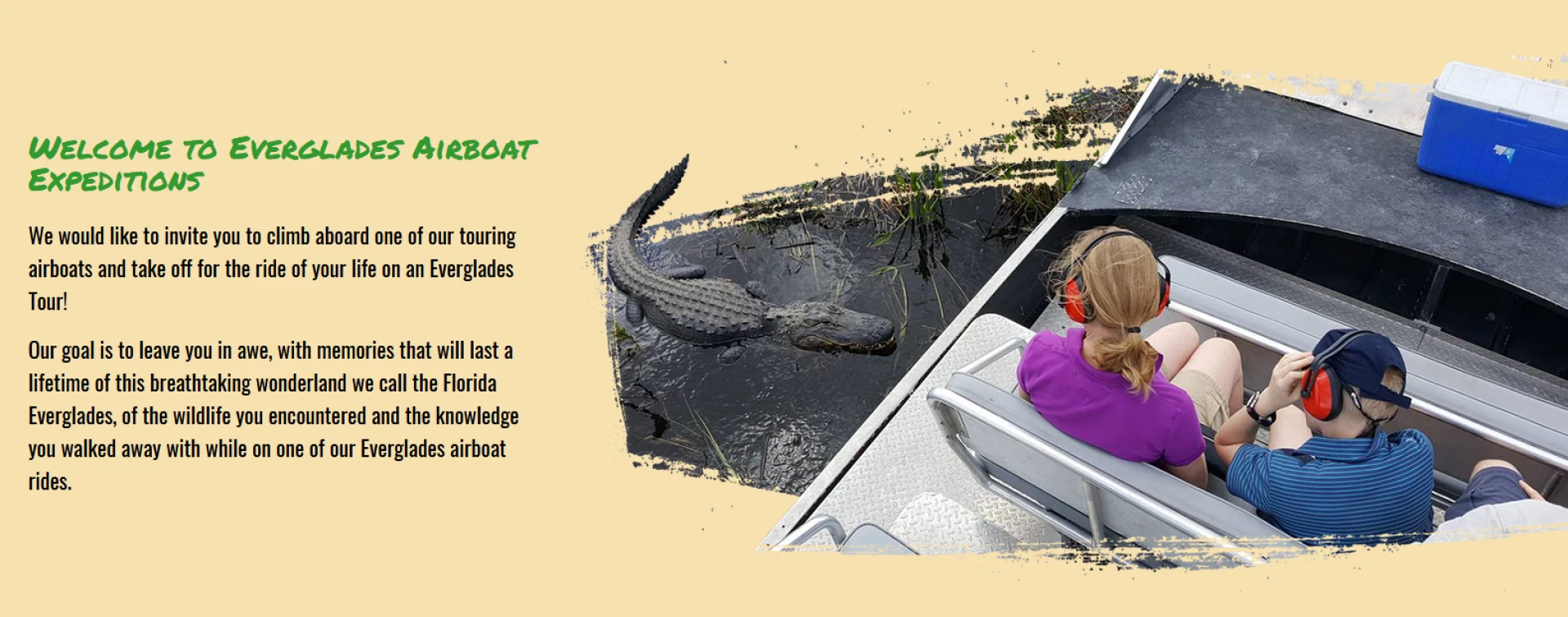
Stay seated, hands inside, follow guide rules. Don’t lean out, don’t feed wildlife. Use hearing protection when needed.
Weather & water risk
Tours may cancel if storms, heavy rain, or fog. Water levels shift — some paths change. Guides monitor conditions.
Picking reliable operators
Check reviews, safety records, that the company is permitted to operate in park zones. Use tours that include narration and conservation messaging, not just adrenaline.
Best Time to Go & What Influences the Experience
Seasons matter
Dry season (December–April) tends to concentrate wildlife near water and reduce mosquitoes. Wet season (May–October) brings high water, more insects, more dramatic skies.
Time of day
Early morning or late afternoon gives softer light, cooler air, more animal activity. Midday is hotter, brighter, but sometimes clearer views.
Moon phase & tides
In areas where water depth shifts, moon and tides can slightly affect how submerged or exposed certain spots are — subtle but real.
How This Day Trip Feels “Alien”
- You leave concrete and enter a land where water is everywhere.
- Sounds invert: you go from hum of cars to roar of propeller to whispers of birds.
- Time stretches — an hour feels longer when you’re alert to everything.
- Distance blurs: marshes stretch, shadows deepen, horizons shift.
- You feel small in a vast, quiet network of life.
This day trip isn’t a vacation break — it’s a shift in how you view nature and place.

























Sign in to leave a comment.