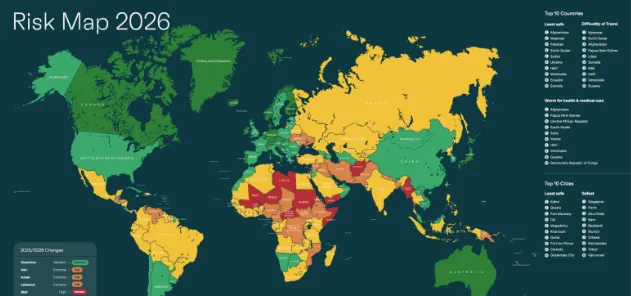

A business can look steady on the surface and still be one bad week away from trouble. The invoice system works. Customers are coming in. The calendar looks full. Then one missed payment, one hacked inbox, one delayed supplier, or one storm rolls through, and the whole rhythm changes. That is why overlooked business risks matter so much in 2026. The biggest threats are not always the loudest ones. They are often the ones that build slowly, hide in routine, and only get noticed after they have already cost time, money, or trust.
The hard part is that many emerging business risks now sit at the edge of daily operations: cyber exposure, third-party weakness, weather disruption, AI misuse, and weak continuity planning. In Allianz’s 2026 Risk Barometer, cyber incidents ranked as the top global risk at 42% of responses, which shows how central digital exposure has become for firms of all sizes.
Key Takeaways
- The most expensive risks are often the quietest ones.
- Cyber, vendor, weather, and planning gaps can hit even healthy businesses.
- A simple review of operations often reveals more than a long policy stack.
- The best protection starts with clarity, not panic.
Why Do Risks Get Missed?
A lot of overlooked business risks stay hidden because they do not arrive as emergencies. They arrive as habits. A manager uses the same password. A vendor keeps “meaning to” send updated documents. The owner postpones planning because the quarter is busy. None of that feels dramatic. It just feels normal. That is the trap. A good risk management strategy does not start with fear; it starts with noticing where normal work depends on fragile systems.
SBA guidance on emergency planning and disaster recovery repeatedly points business owners back to the same basics: assess risk, document critical functions, create a plan, and prepare for supply chain interruptions. In other words, the biggest threat is not always the event itself. It is the lack of a clear response when the event happens.
Which Risks Matter Most Now?
A short definition helps here: overlooked risk is any exposure that seems too small, too unlikely, or too familiar to prepare for, until it interrupts revenue, reputation, or operations. In 2026, the strongest emerging business risks usually fall into five buckets:
- Cyberattacks and email fraud
- Vendor and third-party failure
- Weather and disaster disruption
- AI mistakes or misuse
- Business continuity gaps
This is where many owners get blindsided. They think risk only means theft, fire, or a major lawsuit. But modern operations are more connected than that. Verizon’s 2025 SMB breach findings show the human element and third-party exposure remain important parts of breach patterns, while SBA cybersecurity guidance urges businesses to assess vulnerabilities, secure email, and protect systems before an incident forces the issue.
What Do The Warning Signs Look Like?
The warning signs are often plain, not dramatic. A bill gets paid late because the approver is out. An important file sits in one person’s inbox. A supplier is “fine” until they are not. A social account is managed casually.
A backup plan exists in theory, not in practice. Here is the simplest way to think about it: if one person, one system, or one vendor can interrupt the business, that is a risk worth mapping.
| Risk Area | Why It Gets Missed | Simple Cue | Common Mistake |
| Cyber exposure | It feels technical, not operational | Odd login alerts, rushed email requests | Treating it as an IT-only issue |
| Vendor failure | It sits outside the company | Late deliveries, weak service levels | Relying on one supplier only |
| Weather disruption | It feels rare until it is not | One storm can stall several functions | No tested backup plan |
| AI misuse | It seems useful before it seems risky | Fast content, fast decisions, weak review | Letting tools work without guardrails |
| Continuity gaps | It feels “not urgent.” | No one knows the backup steps. | Planning on paper only |
The point is not to predict every problem. The point is to see which problems would hurt the fastest.
A Three-Step Filter That Helps
When owners are sorting through overlooked business risks, this simple filter helps:
Find The Dependency
What must work every day for the business to keep earning?
Test The Failure Point
What happens if one person, vendor, account, or location fails?
Set The First Response
Who acts, what gets shut down, and how fast does the business recover?
That is also why CISA’s SMB supply chain guidance and SBA continuity resources matter. They both push toward practical planning, not just broad concern. The goal is resilience that can be used on a Monday morning, not a binder that only looks good in a meeting.
What Most Owners Get Wrong
The biggest mistake is assuming insurance alone solves exposure. Insurance matters, but it is only one layer. If the process is weak, the loss can still be painful even when coverage exists. Another mistake is treating every business as if it has the same needs. It does not. A retailer, a contractor, a consultant, and a service firm do not face the same emerging business risks in the same way.
That is why broad answers usually miss the mark. The right protection often depends on the way the company actually earns money, serves clients, and handles data. That is where industry specific insurance becomes more useful than a generic policy conversation. The coverage should reflect the company’s real exposure, not just a standard checklist.
A Familiar Business Scenario
Picture a small firm that has grown fast over the last two years. Sales are strong. The owner trusts the team. One vendor handles a key piece of the workflow. One office manager handles approvals. One inbox handles urgent requests. Then three things happen close together: a vendor delays work, a payment request looks suspicious, and a storm interrupts access for a day.
None of the problems is catastrophic on its own. Together, they create confusion, lost time, and cash-flow stress. That is the real pattern behind many overlooked risks: each one looks manageable until they stack. Warren Buffett put it simply: “Risk comes from not knowing what you’re doing.”
What A Better Review Finds
A stronger review does not try to solve everything at once. It looks for the few weak points that would hurt most if they failed. That usually includes:
- The Payment Process
- The Email System
- The Top Supplier
- The Backup Communication Plan
- The Person Who Holds Too Much Critical Knowledge
When those pieces are clear, the business can make smarter choices about protection, training, and coverage. That is how upcoming business risks move from vague worries to practical action.
Closing Thoughts
The best time to deal with risk is before it feels serious. Once a delay, breach, or disruption hits, the decisions get harder and the costs climb faster. That is why business owners in 2026 need a calmer, more exact view of exposure: what can fail, how fast it can fail, and what the company would do next.
Professionals like Risk Solutions, Inc bring over 30 years of experience evaluating real-world vulnerabilities and shaping tailored protection for businesses that want to stay steady when the unexpected shows up for owners who want a clearer picture of overlooked business risks.
FAQs
- What makes a good risk review?
A good review starts with daily operations, not theory, and focuses on what would interrupt revenue first.
- What are the best practices for small businesses?
Keep backups, test response steps, review vendors, and secure email access.
- How do companies prepare for emerging business risks?
They map weak points, assign owners, and test the first response before trouble starts.
- When should a business hire outside help?
When the risk picture is growing faster than the team can track it.
- What services usually help most?
Planning, assessment, and tailored protection that fits the way the company operates.
























Sign in to leave a comment.