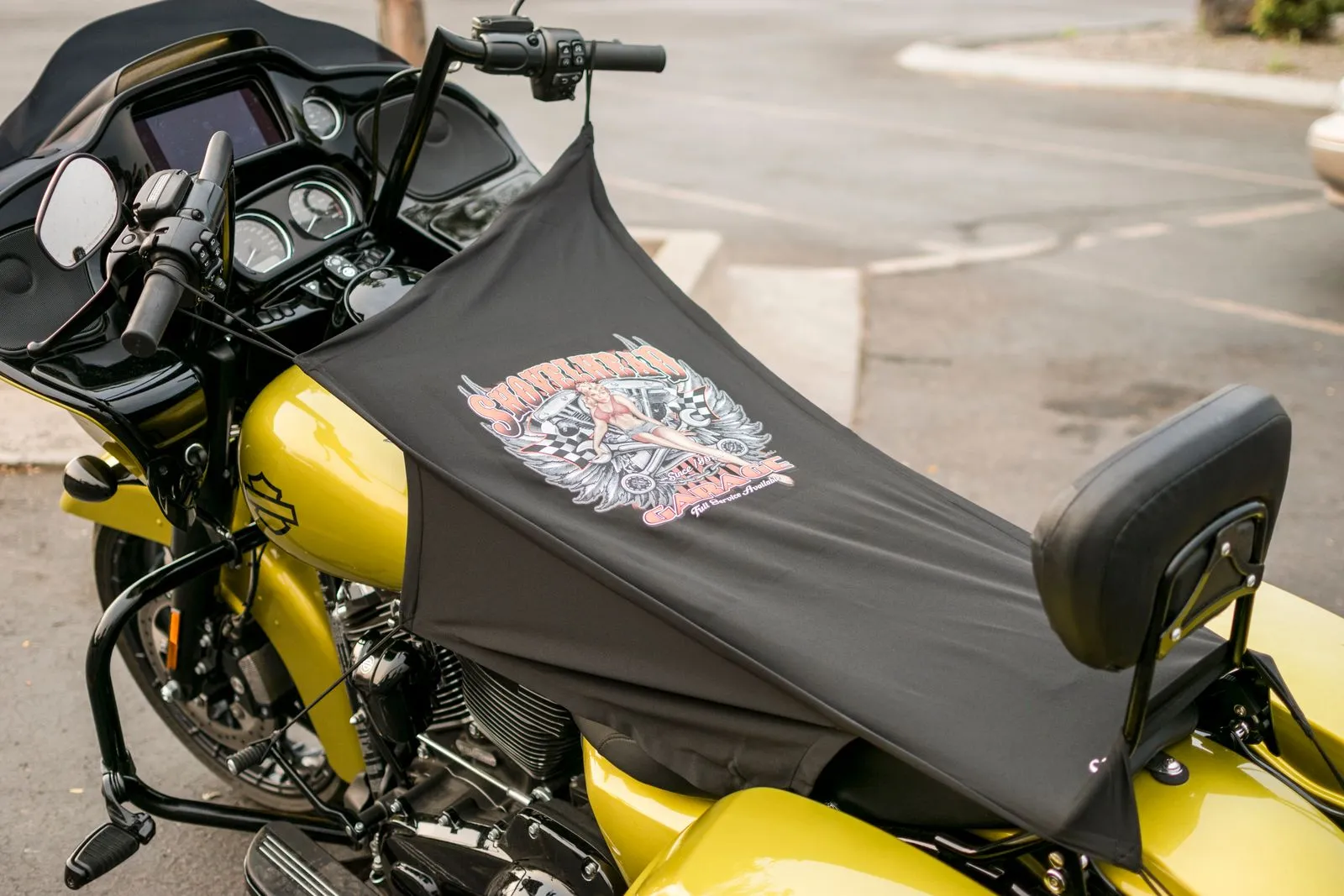

Anyone who has ever swung a leg over a motorcycle after it has spent hours baking under the afternoon sun knows the discomfort that follows. The seat feels scorching, the material seems stiff, and within a season or two, cracks begin to appear where the surface used to be smooth and supple. Most riders blame this on age, mileage, or simply "wear and tear." What they rarely consider is that the sun itself, quietly and consistently, is doing more damage to the seat than the road ever could.
This is where the conversation around a motorcycle seat sun shade becomes genuinely important, not as an accessory for convenience, but as a preventive measure that protects one of the most expensive and frequently replaced components of a motorcycle. While riders obsess over engine maintenance, tyre pressure, and chain lubrication, the seat is often left exposed, parked outside, day after day, absorbing ultraviolet rays that silently break down its structure from the outside in. Understanding this overlooked relationship between sun exposure and seat degradation is the first step toward making smarter, longer-lasting choices for any motorcycle owner.
Why Motorcycle Seats Deteriorate Faster Than Expected:
Motorcycle seats are typically built with a combination of foam padding and a synthetic or leather outer covering. Both materials are engineered for comfort and durability under normal riding conditions, but neither is naturally resistant to prolonged ultraviolet exposure. When a motorcycle sits parked in direct sunlight for extended periods, the seat becomes one of the most vulnerable surfaces on the entire vehicle.
Ultraviolet radiation breaks down the polymer chains in synthetic leather and vinyl, causing the material to lose its flexibility over time. This process, known as UV degradation, results in fading, cracking, and eventually, brittleness that no amount of conditioning or cleaning can fully reverse. Underneath the surface, the foam padding also suffers. Heat accelerates the compression and breakdown of foam cells, which means a seat that once felt plush and supportive can start to feel thin and uneven far sooner than expected.
What makes this issue particularly frustrating is that it often goes unnoticed until the damage is already visible. A rider might assume their seat is simply "getting old," when in reality, consistent sun exposure has been steadily working against the material for months. This is precisely why a dedicated sun shade for the seat area deserves more attention than it currently receives in most maintenance routines.
The Real Cost of Ignoring Sun Exposure:
It is easy to dismiss sun damage as a cosmetic issue, something that only affects the seat's appearance rather than its actual performance. This assumption, however, overlooks the bigger picture. A cracked or brittle seat cover is not just unattractive; it becomes a functional problem. Cracks allow moisture to seep into the foam beneath, leading to mold, unpleasant odors, and further structural breakdown. Once water finds its way into the padding, the damage tends to accelerate rather than stabilize.
There is also the matter of cost. Replacing or reupholstering a motorcycle seat is not a minor expense, and for riders who take pride in the aesthetic condition of their bike, a damaged seat can significantly reduce the vehicle's resale value. Buyers evaluating a used motorcycle often inspect the seat closely, treating its condition as a reflection of how well the entire bike has been cared for. A faded, cracked seat sends a message, whether accurate or not, that other maintenance areas may have been neglected too.
Beyond the financial implications, there is a comfort factor that riders experience firsthand. A sun-baked seat radiates heat, making the first few minutes of any ride uncomfortable, particularly during warmer months. This is not merely an inconvenience; it can affect concentration and riding posture, especially on longer journeys where comfort plays a direct role in safety and focus.
How a Sun Shade Changes the Equation?
Introducing a motorcycle seat cover or shade into a regular parking routine addresses these issues at their root rather than after the fact. Rather than reacting to cracked material or faded color, riders who invest in sun protection are essentially buying time, extending the usable life of the seat by shielding it from the very element that causes the most harm.
A well-designed shade works by blocking direct ultraviolet exposure and reducing surface temperature, which in turn slows the rate at which both the outer covering and the internal foam degrade. This is not about eliminating wear entirely, since some natural aging is inevitable with any material, but about significantly slowing the pace at which that aging occurs. Riders who use sun protection consistently often find that their seats retain their original texture, color, and firmness for considerably longer than those left uncovered.
There is also a practical, everyday benefit that goes beyond long-term preservation. A shaded seat stays cooler to the touch, which means riders can hop on their bike without that jarring moment of sitting on an overheated surface. This small but meaningful improvement in daily comfort is often what convinces riders to adopt the habit in the first place, even before they fully appreciate the longer-term protective value.
Choosing the Right Approach for Sun Protection:
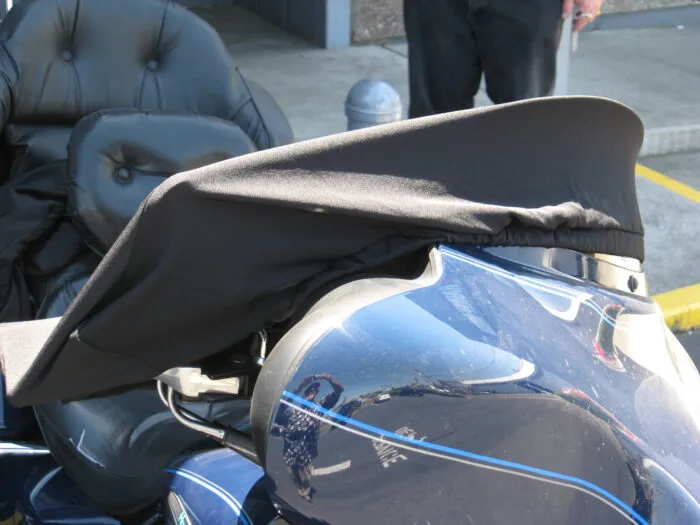
Not all sun protection solutions are created equal, and understanding the differences can help riders make a more informed decision. Some shades are designed specifically for the seat alone, offering a snug, form-fitting solution that is quick to apply and remove. Others are part of a full motorcycle cover that protects the entire vehicle, including the seat, tank, and body panels, from sun, dust, and light rain.
The right choice often depends on parking habits and climate. Riders who park outdoors for extended periods, particularly in regions with intense sun exposure, benefit most from a dedicated, breathable shade that allows moisture to escape while still blocking harmful rays. Breathability matters more than many riders realize, because a cover that traps heat and humidity underneath can inadvertently contribute to the very mold and material breakdown it was meant to prevent.
Material quality also plays a significant role. A shade made from UV-resistant fabric will naturally offer better protection and last longer itself, compared to a thin, generic cover that may degrade within a single season. Riders should look for products that are specifically designed with reflective or UV-blocking properties, rather than assuming any fabric cover will provide adequate protection.
Fit is another consideration that is often underestimated. A shade or cover that does not fit properly can shift in windy conditions, exposing parts of the seat it was meant to protect, or worse, causing friction damage from constant movement against the material. Taking the time to select a properly fitted option pays off in both protection and convenience.
Building Sun Protection Into a Regular Routine:
Perhaps the most important shift riders need to make is treating sun protection as a habit rather than an occasional afterthought. Just as checking tyre pressure or oil levels becomes second nature over time, covering the seat when parking for extended periods should become an automatic part of the routine, especially during peak sunlight hours or in particularly hot climates.
This habit becomes even more valuable for riders who park outdoors consistently, whether at home, at work, or during long trips where covered parking is not always available. The cumulative effect of daily sun exposure, even in relatively short bursts, adds up significantly over months and years. A seat that is protected consistently, rather than sporadically, will show a noticeable difference in condition compared to one that is only covered occasionally.
It is also worth noting that this kind of protection complements other maintenance practices rather than replacing them. Conditioning the seat material periodically, cleaning it properly, and storing the motorcycle in shaded or covered areas whenever possible all work together with a dedicated shade to maximize the seat's lifespan. None of these steps alone is a complete solution, but together, they form a comprehensive approach to preserving both the comfort and appearance of the motorcycle over time.
A Discussion Worth Having: What Riders Should Consider Moving Forward:
The conversation around motorcycle maintenance tends to focus heavily on mechanical components, and understandably so, since engine health and safety systems are critical to every ride. However, this article has aimed to highlight a factor that deserves far more attention than it typically receives: the slow, often invisible damage caused by unprotected sun exposure on the seat.
For riders who have never considered this issue before, the suggestion is simple yet meaningful. Take a closer look at where the motorcycle is parked and for how long it sits exposed to direct sunlight each day. If the answer involves several hours of unshaded exposure, particularly in warmer climates, it may be worth reconsidering the current parking routine and exploring protective options that specifically address this concern.
Conclusion:
Riders who already own a motorcycle cover but rarely use it consistently might benefit from reflecting on why that habit has not stuck. Is it inconvenience, forgetfulness, or simply a lack of awareness about the long-term consequences? Recognizing the reason behind inconsistent use can help in finding a more practical solution, whether that means choosing a lighter, quicker-to-apply shade or setting a simple reminder to make covering the seat part of the regular parking process.
Ultimately, the goal is not to create unnecessary anxiety about sun exposure, but to encourage a more informed and proactive approach to motorcycle care. A seat that is protected from the sun will not only look better and last longer, but will also provide a more comfortable, more enjoyable riding experience from the very first moment a rider sits down. That combination of practicality, comfort, and long-term value is exactly why this often-overlooked factor deserves a permanent place in every rider's maintenance conversation.

























Sign in to leave a comment.