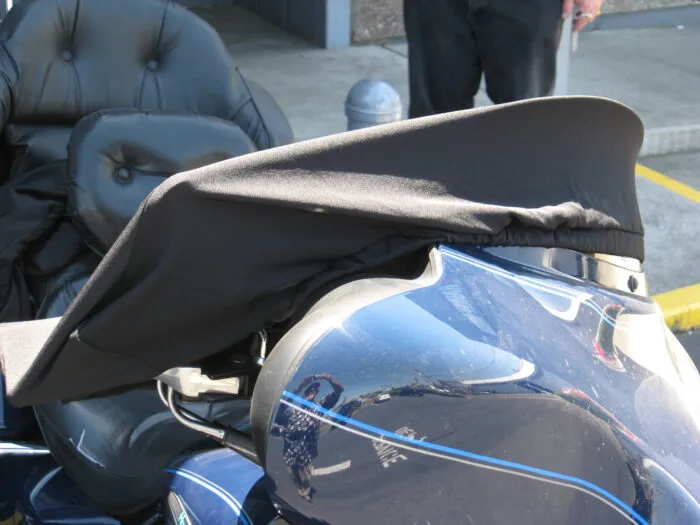

Every rider has faced this moment: you glance down at your dashboard mid-ride, and instead of a clean speedometer reading, you see glare, rain streaks, or a spiderweb crack blocking your view. That split-second delay in reading your gauges isn't just annoying — it's a safety risk. A motorcycle gauge cover exists to solve exactly this problem.
A motorcycle gauge cover is a protective shield installed over your bike's instrument cluster to guard the speedometer, tachometer, and warning lights against physical damage, weather exposure, and UV degradation. It sits directly above the gauge face, acting as a barrier between your dashboard electronics and the outside world. Without one, riders expose thousands of dollars in dashboard components to rain, road debris, direct sunlight, and accidental impacts every time they ride.
This isn't a cosmetic accessory. It's functional gear that protects the part of your motorcycle you rely on most: the instrument panel that tells you your speed, RPM, fuel level, and engine warnings in real time.
The Core Function: Protection First
The primary job of a motorcycle gauge cover is impact and weather protection. Three specific threats damage unprotected gauges over time.
- Physical impacts — Gravel kicked up from the road, branch strikes on trail rides, and minor tip-overs can crack an exposed gauge lens instantly.
- Water intrusion — Rain and pressure washing force moisture into gauge housings, causing fogging, corrosion, and electrical failure.
- UV exposure — Constant sun exposure yellows plastic lenses and fades digital displays, making gauges harder to read within a few riding seasons.
A quality gauge cover absorbs this damage instead of your factory instrument cluster. Replacing a cover costs far less than replacing an entire gauge assembly.
How a Motorcycle Gauge Cover Improves Daily Riding
A motorcycle gauge cover directly improves how easily you read your dashboard while riding. This matters more than most riders realize during their daily commute.
Glare reduction is one of the most practical daily benefits. Many gauge covers use anti-glare or tinted materials that cut down sun reflection, so you're not squinting to check your speed at a red light. Riders who commute during sunrise or sunset hours notice this difference immediately; readability improves without needing to change riding position or shield the dashboard with a hand.
Weather resistance is the second daily advantage. Commuters who ride through unpredictable weather need gauges that stay legible even when it's raining. A properly sealed cover keeps moisture out of the housing, preventing the internal fogging that makes digital displays unreadable during a downpour.
Materials Used in Motorcycle Gauge Covers
Motorcycle gauge covers are typically made from polycarbonate, acrylic, or tempered glass, each offering different protection levels.
- Polycarbonate: The most impact-resistant option, commonly used on sport and adventure bikes that face higher debris exposure.
- Acrylic: Lighter and more affordable, offering solid UV resistance but less impact strength than polycarbonate.
- Tempered glass: Used on premium touring models for superior optical clarity, though it's heavier and more prone to shattering on hard impact.
Choosing the right material depends on your riding style. A daily commuter navigating city traffic has different needs than an off-road rider hitting gravel trails at speed.
Why Fitment Matters as Much as Material
A motorcycle gauge cover only performs correctly when it matches your bike's exact gauge cluster dimensions. Universal covers can work on some models, but model-specific covers create a tighter seal, reducing the chance of water seeping in around the edges.
Before purchasing, riders should measure their gauge cluster's width, height, and mounting points. A cover that's even a few millimeters off won't seal properly, defeating the entire purpose of installing one.
Installation: A Straightforward Process
Installing a motorcycle gauge cover typically takes under 15 minutes with basic tools. The process generally follows this order:
- Clean the existing gauge surface thoroughly to remove dust and residue.
- Align the cover with the mounting brackets or adhesive points.
- Secure the cover using the manufacturer's screws, clips, or adhesive strips.
- Test visibility from your normal riding position before finalizing placement.
- Recheck the seal after the first few rides to confirm no gaps have formed.
Skipping the alignment step is the most common mistake riders make, leading to covers that shift or loosen over time.
Take Action Before the Damage Happens
Here's the reality: most riders don't think about gauge protection until after their speedometer is already cracked or fogged. By then, you're paying for a replacement gauge cluster instead of a $20–$40 cover. If you ride regularly — whether commuting through city traffic, touring long distances, or hitting off-road trails — installing a motorcycle gauge cover now is a preventable expense you control today, rather than a repair bill you're forced into later. Check your gauge cluster's dimensions, pick a material suited to your riding conditions, and get it installed before your next ride.
Frequently Asked Questions
Does a motorcycle gauge cover affect gauge visibility?
No, a properly fitted motorcycle gauge cover does not reduce visibility. Quality covers use anti-glare or optically clear materials designed to maintain full readability in direct sunlight and low-light conditions.
How often should I replace my motorcycle gauge cover?
Replace your gauge cover every 2–3 years, or immediately after any visible cracking, yellowing, or fogging. UV exposure gradually degrades plastic materials, reducing clarity even without a direct impact.
Can I install a motorcycle gauge cover myself?
Yes, most gauge covers are designed for DIY installation using basic tools like a screwdriver and require no professional mechanic. The process usually takes under 15 minutes if the cover matches your bike's exact model.
Are universal motorcycle gauge covers as effective as model-specific ones?
Model-specific covers generally outperform universal options because they create a tighter, more precise seal around the gauge cluster. Universal covers may fit loosely, allowing water and dust to seep in around the edges.
What's the difference between a motorcycle gauge cover and a speedometer cover?
A gauge cover protects the entire instrument cluster, including the tachometer, fuel gauge, and warning lights, while a speedometer cover typically protects only the speed display. Riders with multi-gauge dashboards need full cluster coverage for complete protection.
Have questions about which gauge cover fits your specific bike model, or want a breakdown of top-rated options for your riding style? Drop your motorcycle make and model in the comments, and we'll help you find the right fit — because protecting your dashboard shouldn't be guesswork.



























Sign in to leave a comment.