
Every single day, thousands of gallons of dirty water flush down our toilets, sink drains, and industrial pipes. We rarely give a second thought to where it goes, but cleaning that water is one of the most energy-intensive jobs on the planet. Municipal and industrial wastewater treatment plants consume roughly 1% to 3% of all electricity produced worldwide.
Where is all that power going? It isn't used for giant mixers or heavy filtration screens. Nearly 50% to 70% of a treatment facility’s entire electric bill goes toward a single process: pumping oxygen into the water.
In a typical facility, trillions of beneficial bacteria act as the primary workforce. They eat the organic pollutants, oils, and toxic waste dissolved in the water. But just like humans, these microorganisms need oxygen to survive and work efficiently. To keep them alive, treatment plants run massive air blowers around the clock, forcing air into deep concrete basins.
Traditional aeration systems are wildly inefficient. The bubbles generated by standard diffusers are far too large. They float to the surface in a fraction of a second, pop, and release most of their oxygen straight into the air before the bacteria can ever use it. Facilities end up spending millions of dollars to essentially heat up the open air above their water basins.
This is where nanobubbles in wastewater treatment come in, changing the math on energy costs while helping plants meet strict environmental goals.
To understand why nanobubbles are transforming the industry, imagine the difference between dropping a giant bath bomb into a tub versus filling the room with a dense, microscopic mist.
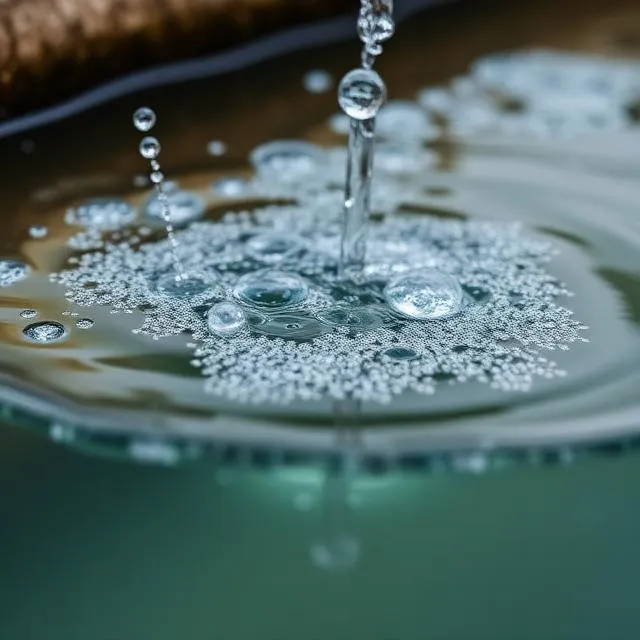
Standard bubbles are macro-sized—the kind you see fizzing in a glass of soda. Micro-bubbles are smaller, like the creamy head on a draft drink. Both share a critical flaw: buoyancy. Because they are filled with gas and lighter than water, physics forces them upward. They rise quickly, burst at the surface, and escape into the atmosphere.
Nanobubbles are invisible to the naked eye. Measuring less than 200 nanometers in diameter—roughly 2,500 times smaller than a grain of salt—these microscopic spheres defy normal physical laws. Because they are so small, gravity and buoyancy lose their grip on them. Instead of floating to the surface and popping, nanobubbles remain suspended in liquid for weeks or even months, moving randomly through the water in a process known as Brownian motion.
High Oxygen Transfer Efficiency
When a facility integrates nanobubbles in wastewater treatment, the physical dynamic of oxygen transfer shifts completely:
- Massive Surface Area: If you take a single standard bubble the size of a marble and break it down into trillions of microscopic nanobubbles, the total surface area contacting the water expands exponentially. More surface area means more opportunities for gas to dissolve into the liquid.
- Internal Pressure and Sinking Action: Nanobubbles carry a high internal gas pressure. As they hover in the water column, they slowly contract under their own surface tension, eventually collapsing and dissolving 100% of their oxygen payload directly into the water.
Unmatched Transfer Rates: Traditional coarse or fine-bubble aeration systems transfer only about 10% to 20% of their supplied oxygen into the liquid. The rest is wasted. Nanobubble generators, by contrast, routinely achieve oxygen transfer efficiencies of 85% to 90% or higher.
Slashing the Power Bill
For facility managers staring down terrifying utility bills, this efficiency boost fundamentally changes operations.

Because nanobubbles stay suspended and transfer gas so effectively, plants no longer need to run massive, power-hungry air blowers at full throttle 24 hours a day. They can pump significantly less air into the water while achieving far higher levels of dissolved oxygen.
By upgrading to or supplementing with nanobubble technology, facilities frequently reduce their aeration energy consumption by 30% to 50%. For a mid-sized municipal plant, that translates to hundreds of thousands of dollars saved on electricity every year. Over the lifespan of a plant, those energy savings pay for the capital investment many times over.
Additionally, running blowers at lower capacities reduces mechanical wear and tear, extending the life of heavy equipment and lowering ongoing maintenance costs.
Going Green and Cleaning Smarter
The advantages of deploying nanobubbles in wastewater treatment extend beyond financial savings. They also solve several complex environmental challenges:
- Smaller Carbon Footprints: A 40% reduction in electricity usage directly translates to fewer fossil fuels burned at local power stations, significantly shrinking a facility’s carbon footprint.
- Chemical-Free Contaminant Destruction: Nanobubbles carry a negative electrical charge that attracts positively charged pollutants like suspended solids, oils, and heavy metals. When these bubbles collapse, they release intense, highly localized physical forces and form hydroxyl radicals—powerful, natural oxidizers that break down tough industrial pollutants, pharmaceutical residues, and "forever chemicals" (PFAS) without needing added chemicals.
- Sludge and Odor Suppression: By penetrating deep into sludge layers and eliminating oxygen-depleted dead zones, nanobubbles suppress the foul-smelling anaerobic bacteria responsible for hydrogen sulfide ("rotten egg") odors. Better oxygen distribution also speeds up organic decomposition, reducing the overall volume of solid sludge that must be dewatered and trucked away to landfills.
Wastewater treatment was once viewed as an unavoidable, energy-draining utility expense. Today, rising electricity rates, expanding populations, and stricter environmental regulations mean traditional methods are no longer sustainable. Modern facilities adopting nanobubble technology are demonstrating that cutting operational costs and improving environmental performance can go hand in hand.


























Sign in to leave a comment.