

There’s a certain kind of panic that hits when water shows up where it shouldn’t.
Sometimes it starts with a small stain under the kitchen sink. Sometimes it’s the sound of a toilet running at 2 a.m. Or maybe it’s that strange damp smell in the basement you keep ignoring because life is busy and the issue doesn’t seem “serious” yet.
Most homeowners don’t think much about plumbing until the day something suddenly becomes expensive.
That’s why calling a trusted plumber in Cheat Lake often happens after weeks — or months — of warning signs that quietly went unnoticed.
The frustrating part? Many of those problems start small enough to fix easily.
The Leak That Doesn’t Look Dangerous
A tiny drip under a sink feels harmless. People place a bowl underneath it, promise themselves they’ll deal with it later, and move on.
But slow leaks are sneaky.
They damage wood from the inside. Cabinets begin swelling. Mold starts forming in dark corners where nobody looks. By the time the leak becomes obvious, the repair is no longer simple.
One homeowner realized something was wrong only after their kitchen floor began feeling soft near the dishwasher. What looked like a minor moisture issue turned into damaged flooring and hidden mold behind the cabinets.
Water rarely stays where it starts.
Why “Slow Drains” Are Usually a Bigger Warning
Most people try to outsmart a clogged drain with store-bought chemicals.
Sometimes it works for a week.
Then the sink slows down again.
That cycle keeps repeating until the blockage becomes serious enough to back water into the house. Grease, soap buildup, hair, and mineral deposits don’t disappear overnight. They build quietly inside pipes while homeowners assume the problem is temporary.
A drain that repeatedly slows down is usually trying to tell you something long before a major backup happens.
The Sound Homeowners Often Ignore
Pipes talk.
Not literally, of course. But banging sounds, rattling, whistling faucets, or vibrating pipes are rarely “normal house noises.”
Those sounds often point toward pressure issues, loose fittings, or aging pipe connections. Left alone, they can eventually lead to bursts or hidden leaks inside walls.
Many people delay checking because everything still technically “works.”
Until one winter morning changes that.
Small Water Pressure Changes Matter More Than You Think
Low water pressure feels annoying, but not urgent.
That’s why homeowners tend to ignore it for months.
But pressure changes can reveal deeper issues hiding inside the plumbing system. Sediment buildup, pipe corrosion, unnoticed leaks, or even underground line problems sometimes begin with nothing more than weaker shower pressure.
One of the biggest mistakes homeowners make is assuming plumbing disasters happen suddenly.
Most of them leave clues first.
The Basement Smell Nobody Wants to Investigate
A damp or musty smell in the basement often gets blamed on weather.
But sometimes the issue has nothing to do with humidity.
Minor pipe leaks, drainage problems, or failing sump systems can create moisture that slowly spreads through lower levels of the home. Because basements aren’t checked constantly, problems there can grow for a long time before becoming visible.
And once moisture settles in, repairs become far more complicated than fixing the original issue would have been.
DIY Fixes Can Quietly Make Things Worse
Online tutorials make plumbing repairs look easy.
And honestly, some minor fixes are manageable.
But there’s a difference between replacing a showerhead and tightening the wrong connection under pressure. Homeowners sometimes create bigger problems accidentally while trying to save money.
Over-tightened fittings crack. Wrong pipe materials corrode faster. Temporary patches fail unexpectedly.
The dangerous part is that many DIY mistakes don’t fail immediately. They fail months later when nobody expects it.
Water Bills Usually Tell the Truth First
One of the earliest signs of hidden plumbing trouble isn’t visible at all.
It’s the water bill.
A small underground leak or constantly running fixture can waste a shocking amount of water over time. People often assume rates increased or usage changed, when the real issue is happening quietly behind walls or beneath the property.
If the bill suddenly climbs without explanation, it’s usually worth paying attention.
Older Homes Hide More Plumbing Surprises
Many homes around lake communities have aging plumbing systems that were installed decades ago.
From the outside, everything may look perfectly fine.
Inside the walls is a different story.
Older pipes can develop corrosion, weak joints, or buildup that slowly restricts flow and increases pressure problems. The trouble is that homeowners rarely see the warning signs until the damage finally surfaces.
That’s why routine inspections matter more than most people realize.
The Emotional Cost Is Usually Worse Than the Repair
What people remember most after a plumbing emergency usually isn’t the invoice.
It’s the stress.
The ruined weekend. The wet carpets. The canceled plans. The panic of finding water spreading through the house while trying to figure out who to call.
Plumbing issues have a way of disrupting normal life fast.
And homeowners who deal with them early almost always avoid the worst situations later.
Paying Attention Early Changes Everything
Most expensive plumbing disasters don’t appear overnight.
They build slowly through tiny warnings homeowners learn to live with.
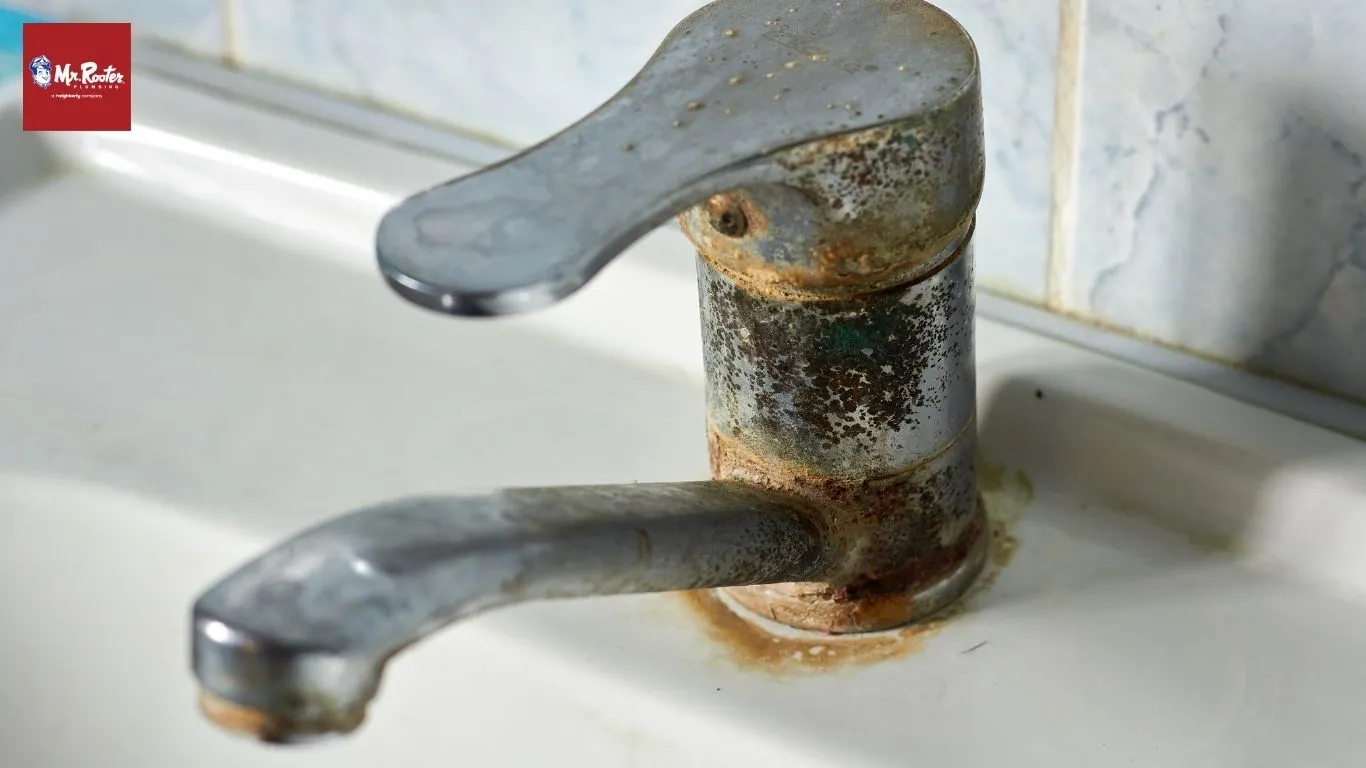
A dripping faucet. A strange smell. A noisy pipe. A slow drain.
Individually, they seem small.
Together, they often point toward problems that deserve attention before they turn into major repairs.
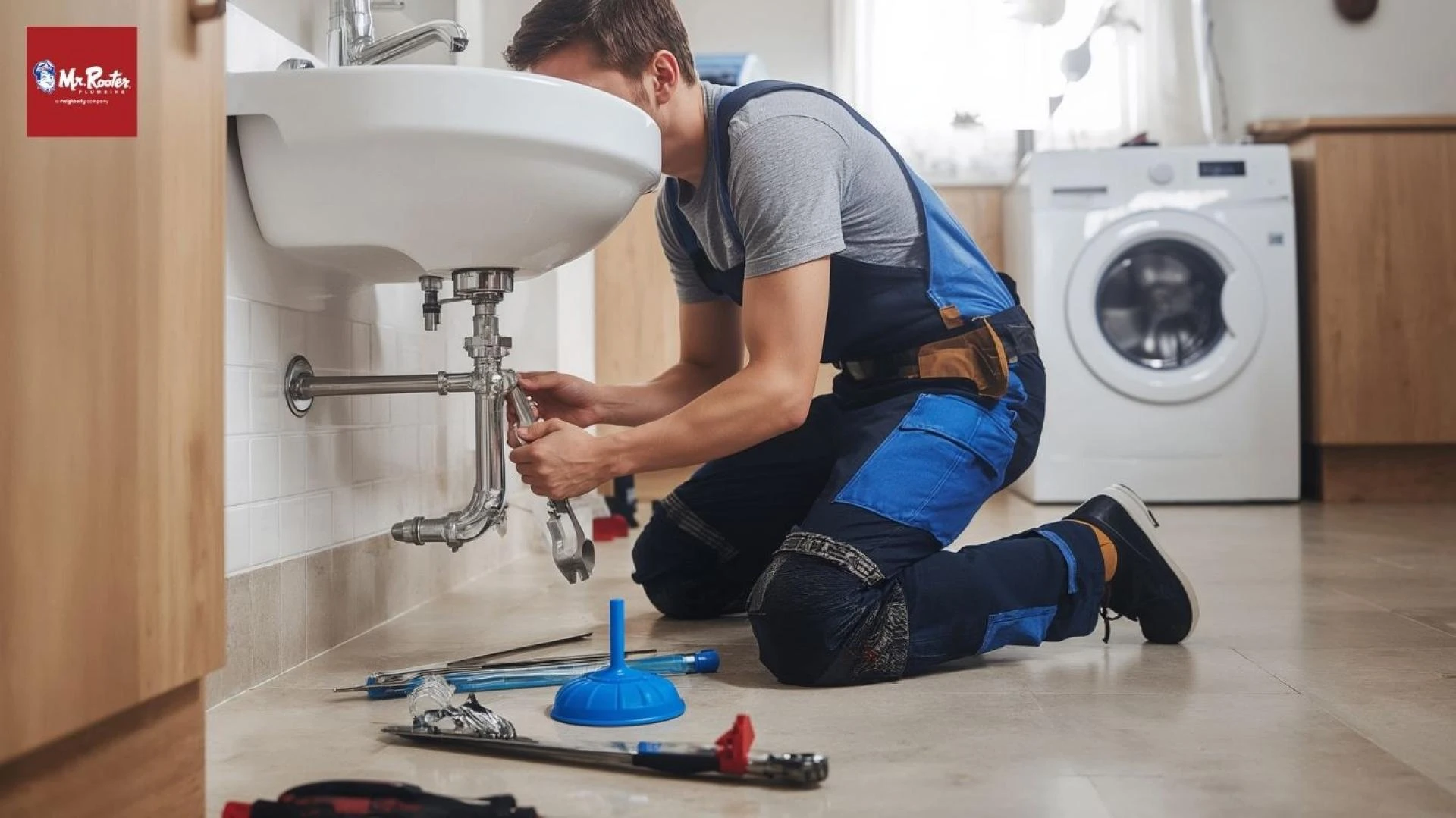
That’s why many local homeowners eventually choose to speak with an experienced plumber in Cheat Lake instead of waiting for an emergency to force the decision.
And when people want someone familiar with the frustrations older plumbing systems can create, companies like Mr. Rooter Plumbing of Ohio Valley are often part of the conversation because homeowners value clear communication, honest guidance, and repairs that solve the issue properly the first time.
Sometimes the smartest repair decision happens before anything actually breaks.































Sign in to leave a comment.