

Beneath the Earth's surface lies a captivating and intricate world, brimming with microorganisms that hold the key to unlocking the secrets of soil health. The remarkable MicroBiometer technology has revolutionized our ability to delve into this hidden realm and understand the fascinating dynamics of soil microbiology. In this blog post, we will explore the extraordinary power of MicroBiometer research and its transformative impact on our knowledge of soil microorganisms.
Unveiling the Hidden World of Soil Microorganisms
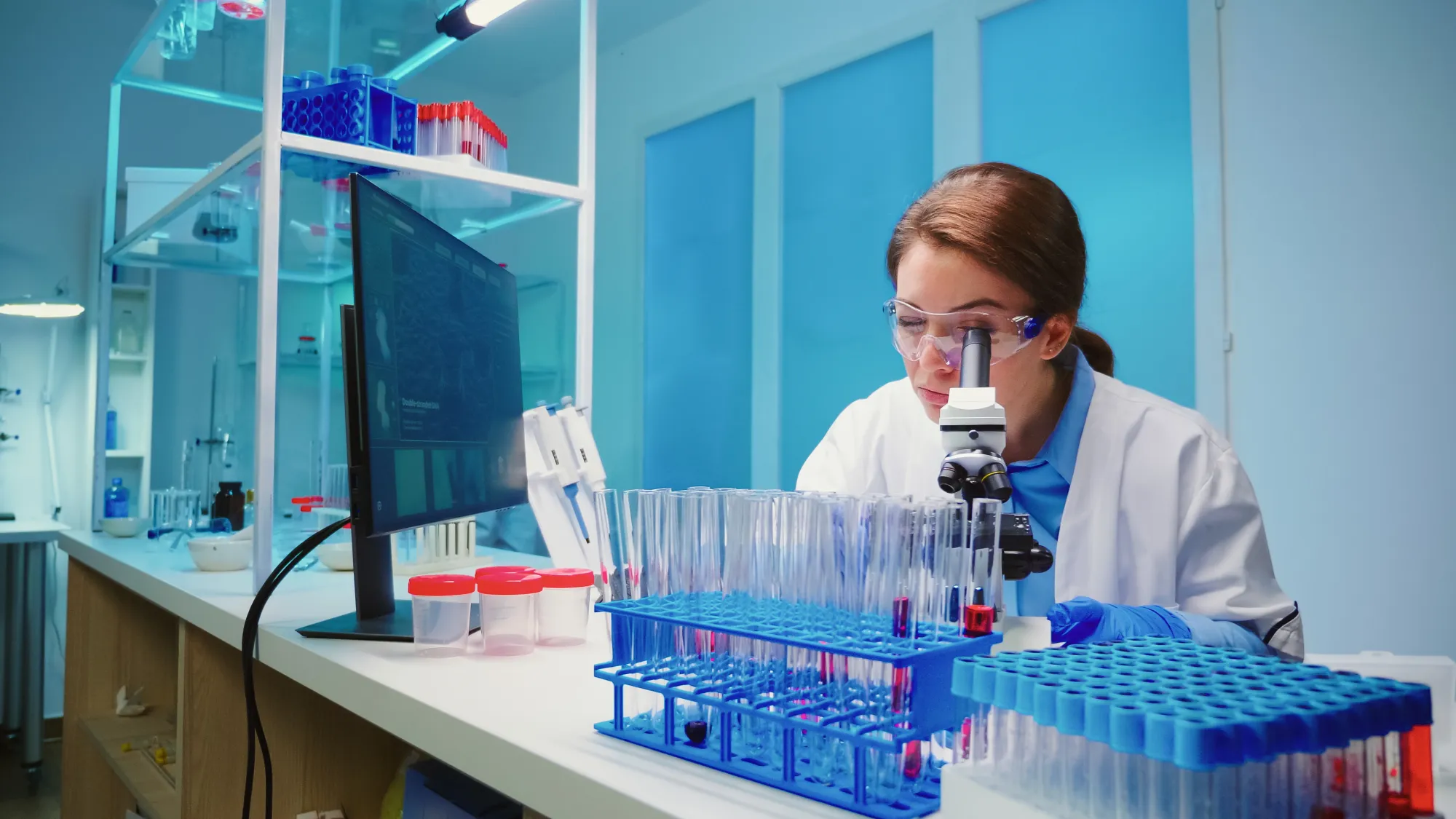
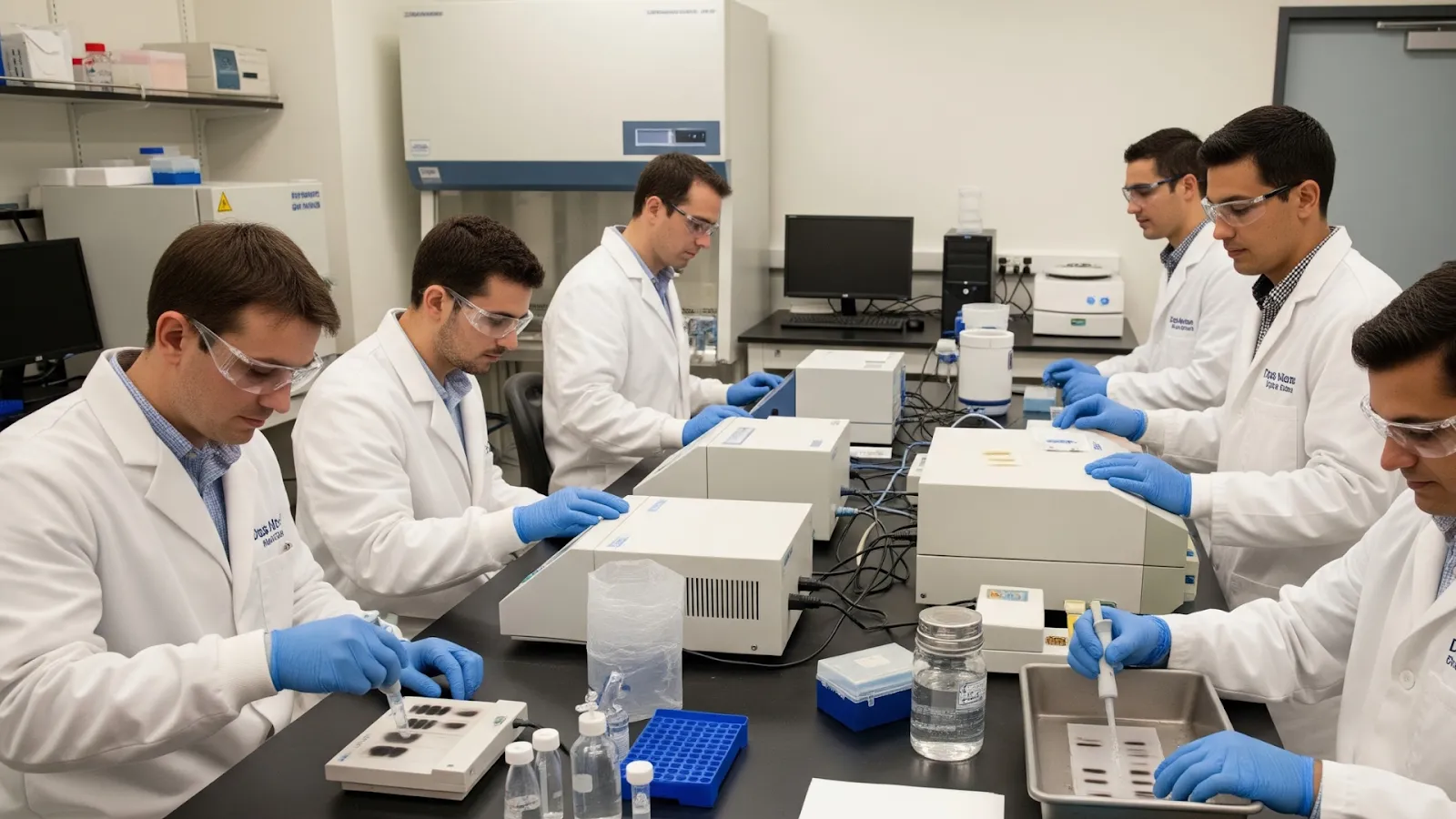
MicroBiometer research has provided scientists with a powerful tool to examine the composition and dynamics of soil microbial communities. By analyzing the DNA or RNA extracted from soil samples, the MicroBiometer allows researchers to identify and quantify different microbial species, providing insights into the hidden world of soil microorganisms.
Understanding Soil Health and Function
Soil microorganisms are essential for maintaining soil health and performing vital ecosystem functions. They contribute to nutrient cycling, organic matter decomposition, disease suppression, and even plant growth promotion. MicroBiometer research enables scientists to assess the microbial diversity and activity in the soil, helping them understand how these microorganisms impact soil health and ecosystem processes. By understanding the correlation between microorganisms and their environment, researchers can develop strategies to enhance soil fertility, productivity, and sustainability.
Assessing Environmental Impact and Restoration Efforts
MicroBiometer research is not limited to understanding soil health in natural ecosystems but also plays a crucial role in assessing the impact of human activities and the effectiveness of restoration efforts. By comparing microbial communities in different soil samples, researchers can identify shifts in microbial diversity and composition due to factors like pollution, land use change, or the application of agricultural practices. This knowledge aids in making informed decisions for sustainable land management, environmental conservation, and ecological restoration.
Precision Agriculture and Soil MicroBiometer Research
The application of MicroBiometer research in precision agriculture is another promising avenue. By characterizing the soil microbiome at a fine scale, farmers can gain insights into the microbial populations that influence crop growth, disease resistance, and nutrient availability. This information can guide precision farming practices, including targeted microbial inoculations, tailored fertilizer applications, and improved soil management techniques. Harnessing the power of MicroBiometer research in agriculture holds the potential to optimize crop production while reducing environmental impacts.
Advancements in MicroBiometer Technology
As technology continues to advance, MicroBiometer research is becoming more sophisticated and accessible. Newer techniques allow a deeper understanding of the functional capabilities and gene expression of soil microorganisms. Additionally, advancements in data analysis and bioinformatics enable researchers to interpret vast amounts of microbial data, unraveling complex patterns and interactions within soil ecosystems.
Conclusion
MicroBiometer research has opened up new frontiers in understanding the intricate world of soil microorganisms. By unlocking the secrets of these microscopic communities, scientists can shed light on soil health, ecosystem functioning, environmental impact, and agricultural practices. As technology continues to evolve, MicroBiometer research will undoubtedly play a vital role in shaping our approach to sustainable land management, conservation efforts, and maximizing agricultural productivity while preserving the health and vitality of our soils.

























Sign in to leave a comment.