

As we look ahead to 2025, the insurance industry is undergoing a remarkable transformation. The rise of real-time risk monitoring is at the heart of this change, offering insurers new ways to assess, predict, and manage risks more efficiently and proactively than ever before. No longer reliant solely on historical data or reactive measures, insurers are now able to anticipate and address emerging threats in real time. This shift is reshaping underwriting, claims management, customer engagement, and the overall risk landscape.
What Is Real-Time Risk Monitoring?
At its core, real-time risk monitoring refers to the use of continuous, live data to evaluate risks as they evolve. Through tools like IoT devices, predictive analytics, AI, and machine learning, insurers can collect real-time information about weather patterns, customer behavior, environmental changes, cyber threats, and more. This data-driven approach allows insurers to adjust policies, pricing, and risk strategies in real time, significantly improving the accuracy of their assessments and reducing unexpected losses.
The key advantage of real-time risk monitoring is its ability to provide insurers with up-to-the-minute insights. Whether it’s tracking a hurricane as it develops, detecting fraudulent activity, or monitoring a car’s braking habits, insurers can now respond immediately to emerging risks, providing faster support and more dynamic coverage.
Real-Time Risk Monitoring in Catastrophic Events
One of the most impactful applications of real-time risk monitoring is in managing risks associated with natural disasters. In 2025, the frequency and intensity of hurricanes, wildfires, floods, and other extreme weather events are increasing, making it essential for insurers to monitor risks continuously and respond quickly.
Real-time risk monitoring tools, like those provided by Swiss Re’s CatNet® platform, combine satellite imagery, weather forecasts, and AI to provide insurers with a detailed and live view of evolving risks. These platforms allow insurers to track the status of storms or fires in real time and forecast potential outcomes based on current conditions. This kind of granular, up-to-the-minute data means insurers can adjust coverage and make better-informed decisions about risk exposure, potentially reducing financial losses when disaster strikes.
For example, during the 2024 wildfire season, Swiss Re’s CatNet® was able to accurately predict fire spread in California, enabling insurers to issue alerts and adjust policyholder coverage ahead of time. This proactive approach not only minimized losses but also ensured that clients were better prepared for the event.
Real-Time Risk Monitoring in Cybersecurity
As the world becomes increasingly digital, cybersecurity threats are now one of the greatest risks for insurers—and their clients. With data breaches, ransomware, and phishing attacks on the rise, insurers need tools that allow them to monitor these threats in real time.
Real-time risk monitoring has become essential in the fight against cybercrime. By using predictive analytics and AI, insurers can continuously track cyber risk across their portfolios, identifying vulnerable policyholders before a breach occurs. CyberCube’s cybersecurity risk models, for example, leverage real-time data to assess vulnerabilities and predict potential cyberattacks. These insights allow insurers to take immediate action, such as suggesting specific protective measures to their clients, updating policies, or even adjusting premiums based on the latest risk assessments.
This proactive, data-driven approach helps reduce the likelihood of claims from cyberattacks, ensuring that both insurers and policyholders are better equipped to handle the evolving nature of cyber threats.
Real-Time Risk Monitoring in Auto Insurance
The use of real-time risk monitoring is particularly prominent in the auto insurance sector, where telematics and connected car technologies are making it easier to track driving behaviors and adjust risk models accordingly.
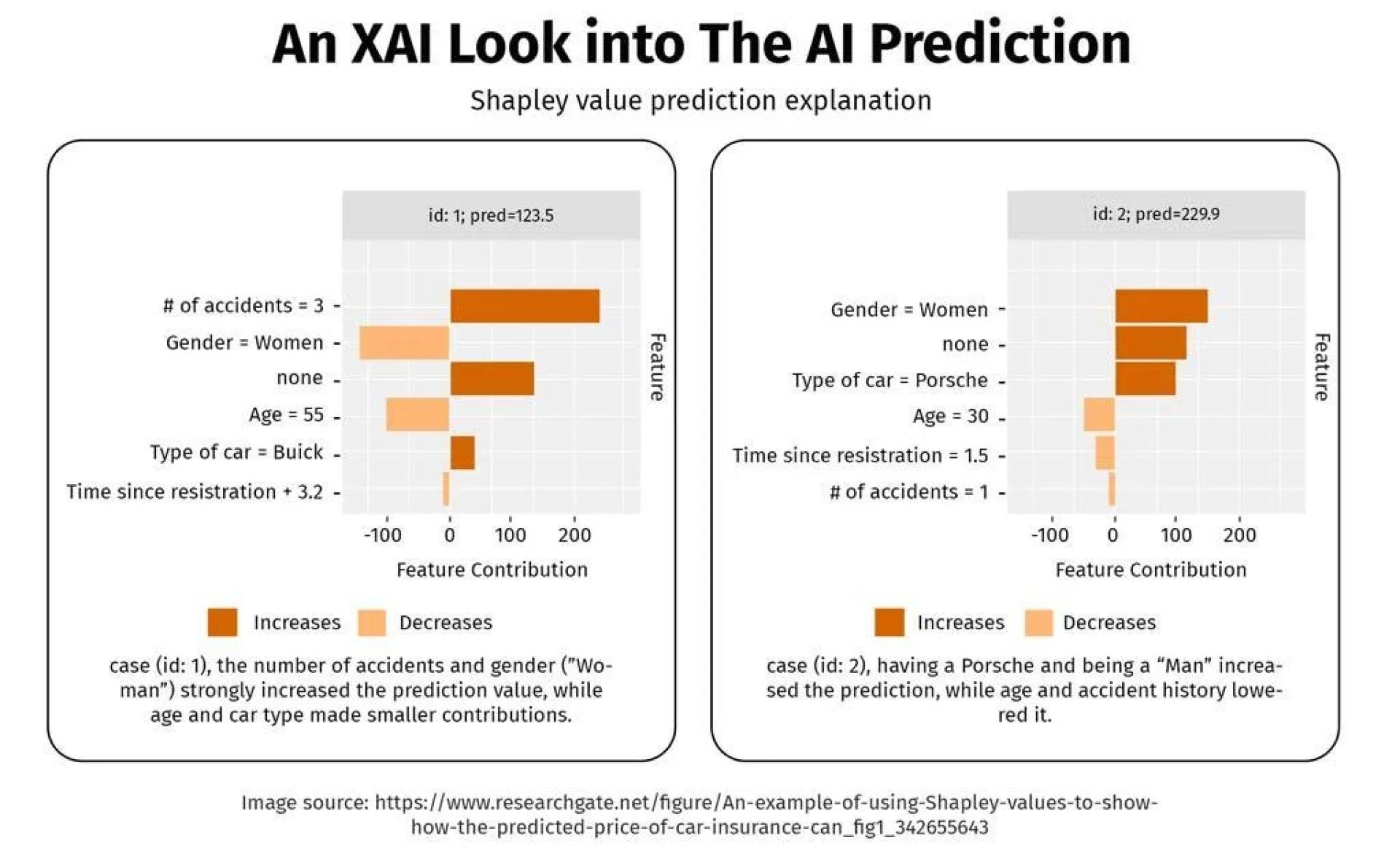
Programs like Allstate’s Drivewise® provide real-time feedback on driving habits, tracking metrics such as speed, braking patterns, and overall driving behavior. By continuously monitoring these behaviors, insurers can offer personalized discounts to drivers who demonstrate safe driving habits. Allstate’s 2024 data showed that customers using Drivewise® were 25% less likely to experience a severe collision, highlighting the effectiveness of real-time risk monitoring in improving road safety and reducing accidents.
This dynamic approach to auto insurance shifts the focus from traditional risk models to a more personalized, data-driven model, where policyholders and insurers share responsibility for managing risk. As more drivers opt into these programs, the industry is seeing significant reductions in both accident rates and claims, resulting in lower premiums for those who take proactive steps to reduce risk.
Real-Time Risk Monitoring in Property Insurance
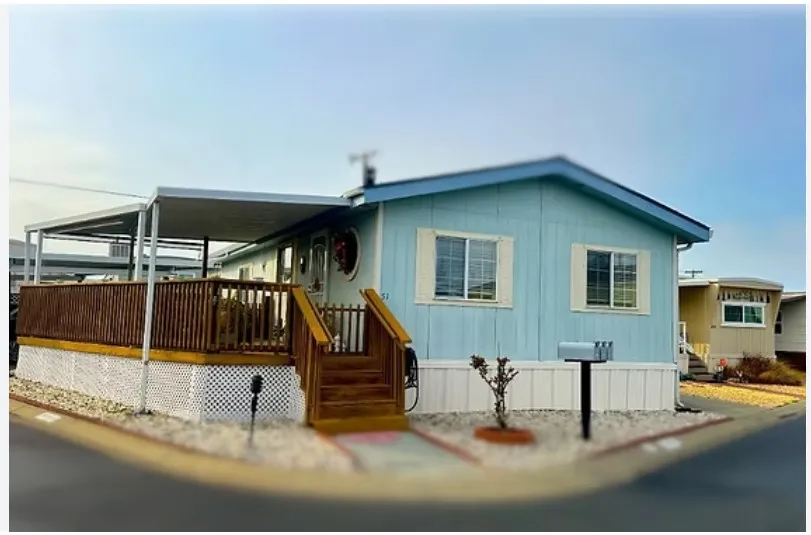
In property insurance, real-time risk monitoring is transforming how insurers manage home and commercial property risks. IoT devices, such as smart sensors for water leaks, fires, and temperature fluctuations, allow insurers to track risks as they happen and alert policyholders instantly. This not only reduces the damage but also minimizes the financial impact of claims.
For example, Lemonade, an innovative insurtech company, has integrated real-time leak detection sensors in homes to monitor for water damage. As soon as a leak is detected, homeowners are immediately alerted and can take steps to prevent a flood or further damage. This has resulted in a dramatic decrease in water-related claims, with Lemonade reporting a reduction in claims frequency by nearly 25%. By using real-time risk monitoring to prevent issues before they escalate, insurers and policyholders both benefit from lower costs and reduced claim processing times.
Real-Time Fraud Detection and Prevention
Fraud is a perennial issue for the insurance industry, with global losses estimated at $300 billion annually. Traditional fraud detection models rely on historical data and set algorithms, but real-time risk monitoring takes fraud detection to the next level by continuously analyzing transactions and claims data in real time.
AI-powered fraud detection models, such as those using Graph Neural Networks (GNN), allow insurers to detect fraudulent activities by identifying connections between claims, accounts, and individuals. These systems continuously evaluate data streams, looking for suspicious patterns or inconsistencies that could indicate fraud. The result is a faster, more accurate fraud detection process, which reduces false positives and helps insurers identify fraudulent claims before they’re paid out.
With real-time risk monitoring, insurers can stop fraud in its tracks, saving millions in fraudulent payouts and reducing premium increases for honest customers.
The Future of Real-Time Risk Monitoring in Insurance
As technology continues to evolve, the potential of real-time risk monitoring in the insurance industry is vast. In the coming years, advancements in AI, IoT, and machine learning will provide insurers with even more sophisticated tools to assess risks and prevent claims. The ability to gather and analyze real-time data will help insurers offer more personalized policies, refine their pricing strategies, and improve the accuracy of risk assessments.
One key area where real-time risk monitoring is expected to grow is in the management of long-term, emerging risks. For example, the ability to monitor and predict long-term climate changes, the rise of new health risks, or evolving cyber threats in real time will allow insurers to adapt their offerings to an ever-changing landscape. This level of foresight and adaptability will make insurers more resilient and better able to protect their clients, even as new challenges emerge.
Conclusion
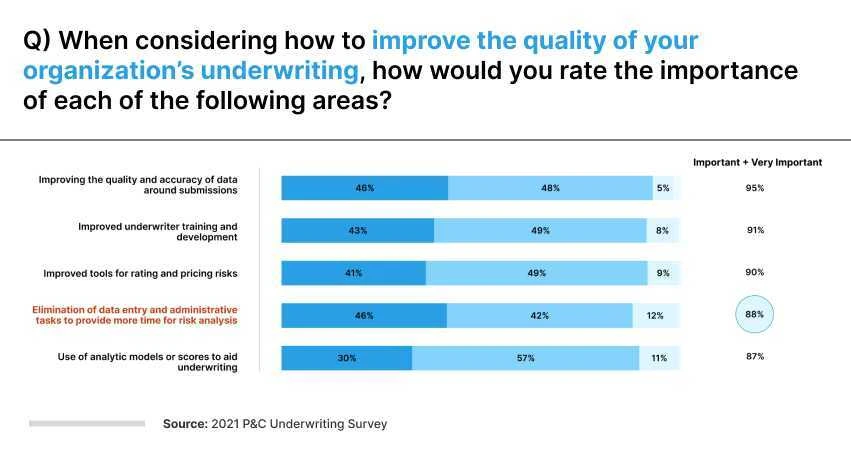
In 2025, real-time risk monitoring is no longer a futuristic concept—it’s a vital part of how the insurance industry operates. By enabling insurers to track, assess, and mitigate risks as they emerge, real-time monitoring is enhancing underwriting accuracy, improving customer experiences, and providing more proactive protection. Whether it's through predictive disaster modeling, preventing fraud, or offering personalized auto insurance, the capabilities of real-time risk monitoring are reshaping the industry in profound ways.
As insurers continue to embrace this shift toward data-driven, real-time risk management, they will be better equipped to address the challenges of the future. For policyholders, this means more personalized, efficient, and cost-effective insurance. For insurers, it represents a new era of smarter decision-making and more resilient business models. In the ever-evolving landscape of risk, real-time risk monitoring is the key to unlocking a safer, more secure future.


























Sign in to leave a comment.