When dealing with chronic pain, recovering from an injury, or simply trying to improve your daily mobility, finding the right path to recovery can feel overwhelming. Many people find themselves torn between different treatment options, wondering whether they should book a relaxing massage or schedule a clinical physiotherapy session.
The truth is, you don’t have to choose. In fact, some of the most profound breakthroughs in rehabilitation happen when these two disciplines are integrated. At Optimal Rehabilitation Centre, we believe in a holistic, multi-faceted approach to wellness. Let’s explore the unique benefits of massage and physiotherapy, and how combining them can supercharge your recovery journey.
Understanding the Dynamic Duo: Soft Tissue meets Joint Mechanics
To understand why these therapies work so well together, it helps to look at how they approach the human body. Think of your body as a complex machine where physiotherapy focuses on the structural mechanics, and massage therapy takes care of the engine's fluid movement.
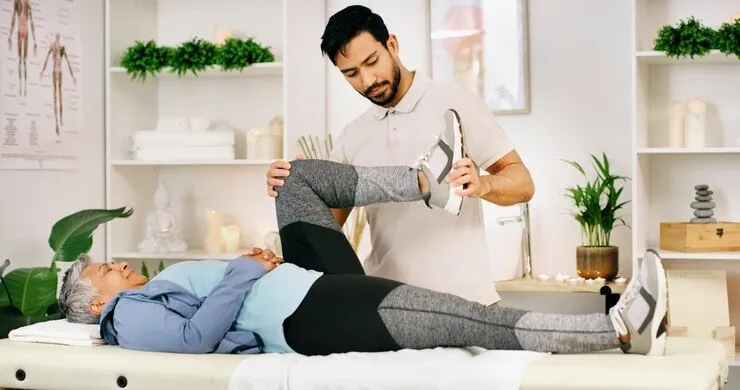
- Physiotherapy is a clinical healthcare profession focused on restoring movement, function, and strength. A physiotherapist analyzes your biomechanics, assesses joint mobility, and prescribes targeted exercises to correct underlying physical imbalances.
- Massage Therapy focuses primarily on the soft tissues of the body—your muscles, tendons, ligaments, and fascia. By manipulating these tissues, a massage therapist reduces muscle tension, breaks down scar tissue, and promotes deep relaxation.
The Core Benefits of Massage Therapy
Massage is far more than just a luxury spa treatment; it is a clinical tool with a profound physiological impact. When administered by a registered professional, massage therapy provides several key health benefits:
- Rapid Muscle Relaxation: Deep tissue manipulation increases local blood circulation, delivering fresh oxygen and nutrients to tight, fatigued muscles while flushing out metabolic waste like lactic acid.
- Natural Pain Relief: Massage stimulates the release of endorphins—the body’s natural painkillers—while simultaneously reducing levels of cortisol, the primary stress hormone.
- Enhanced Tissue Elasticity: Chronic stress or repetitive strain can cause muscle fibers to bind together. Massage breaks up these adhesions, making the tissue more pliable and resilient.
The Core Benefits of Physiotherapy
If massage prepares the body by softening the tissue, physiotherapy builds the foundation for long-term structural health. Here is what physiotherapy brings to your recovery plan:
- Restored Range of Motion: Through manual joint mobilization and targeted stretching, physiotherapists help you regain the structural movement lost to injury or desk-bound sedentary lifestyles.
- Targeted Muscle Strengthening: Pain often causes certain muscles to "shut down" while others overcompensate. Physiotherapy uses specific exercises to re-activate weak muscle groups, stabilizing your joints.
- Neuromuscular Re-education: A physiotherapist helps retrain your brain-to-body connection, correcting poor posture, gait issues, and faulty movement patterns that lead to chronic wear and tear.
The Synergy: Why 1 + 1 = 3 in Rehabilitation
When you combine massage and physiotherapy into a single, cohesive treatment plan, the benefits multiply. They create a therapeutic loop that accelerates your healing timeline.
1. Enhanced Exercise Performance
If you attempt to perform physiotherapy exercises while your muscles are intensely guarded, locked up, or in spasm, your movements will be restricted. Receiving a targeted massage beforehand relaxes the surrounding soft tissue, allowing you to perform your rehabilitation exercises with greater range, better alignment, and less discomfort.
2. Comprehensive Injury Recovery
An injury rarely affects just one thing. A sprained ankle involves ligament damage (a physiotherapy focus) but also causes the calf muscles to tighten up in protection (a massage focus). Addressing both the structural damage and the compensatory muscle tension ensures a more thorough, permanent recovery.
3. Accelerated Stress and Pain Management
Chronic pain creates a vicious cycle: physical pain causes mental stress, and mental stress causes your muscles to tighten, creating more pain. Combining the nervous-system-calming effects of massage with the empowering, strength-building nature of physiotherapy breaks this cycle from both ends.
What Conditions Benefit Most from Combined Therapy?
While almost anyone can benefit from this dual approach, it is particularly effective for managing specific, stubborn physical ailments:
- Chronic Back and Neck Pain: Massage releases the tight spinal muscles while physiotherapy strengthens the core and upper back to fix the structural posture.
- Sports Injuries: Ideal for recovering from strains, sprains, and tendonitis, helping athletes return to peak performance faster.
- Post-Surgical Rehabilitation: Crucial after joint replacements or ligament repairs to safely break down surgical scar tissue and rebuild lost muscle volume.
Take Control of Your Health at Optimal Rehabilitation Centre
Your body is an interconnected network of bone, muscle, and nerve. Treating one without the other only gives you half the results. By pairing the hands-on tissue relief of massage with the movement-focused science of physiotherapy, you give your body the ultimate environment to heal, adapt, and thrive.
Don't let aches and stiffness dictate your quality of life. Experience the difference a comprehensive, customized recovery plan can make.


























Sign in to leave a comment.