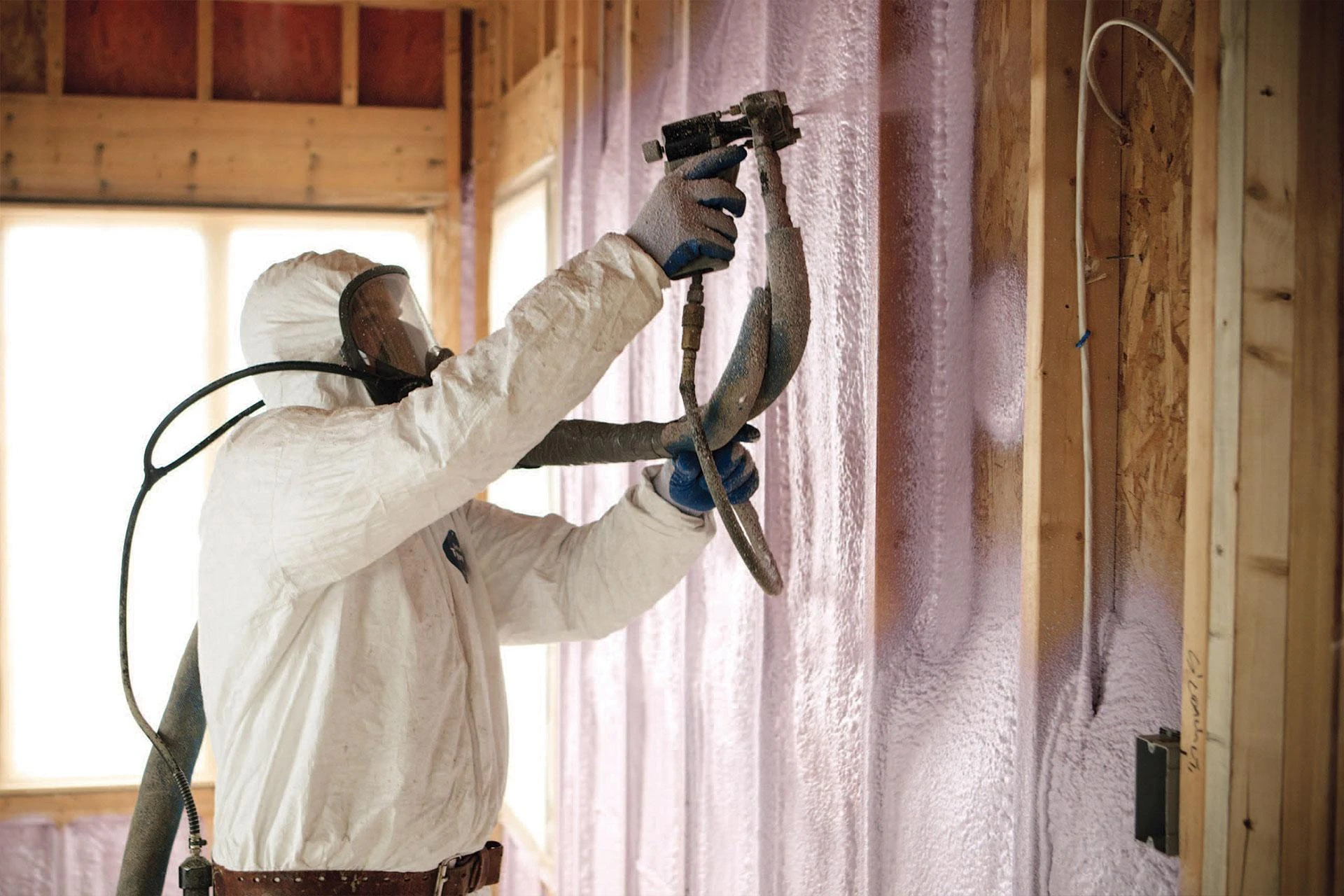

When it comes to high-performance insulation, closed-cell spray foam insulation has established a reputation for its proven quality and multi-functional benefits. Its effectiveness comes from its unique physical structure: a dense, rigid material composed of millions of tiny, sealed plastic cells filled with an insulating gas. This design allows it to do more than just resist heat flow. It also serves as an effective air barrier, a moisture barrier, and even adds structural strength to the building assembly. For homeowners, this means one product can solve multiple problems related to energy loss, moisture control, and structural integrity.
This article will break down the specific properties that make closed-cell foam such a reliable choice, especially in demanding climates. The information is based on established building science principles and practical field experience, offering a clear look at why this material consistently delivers superior performance.
The Science Behind the Performance
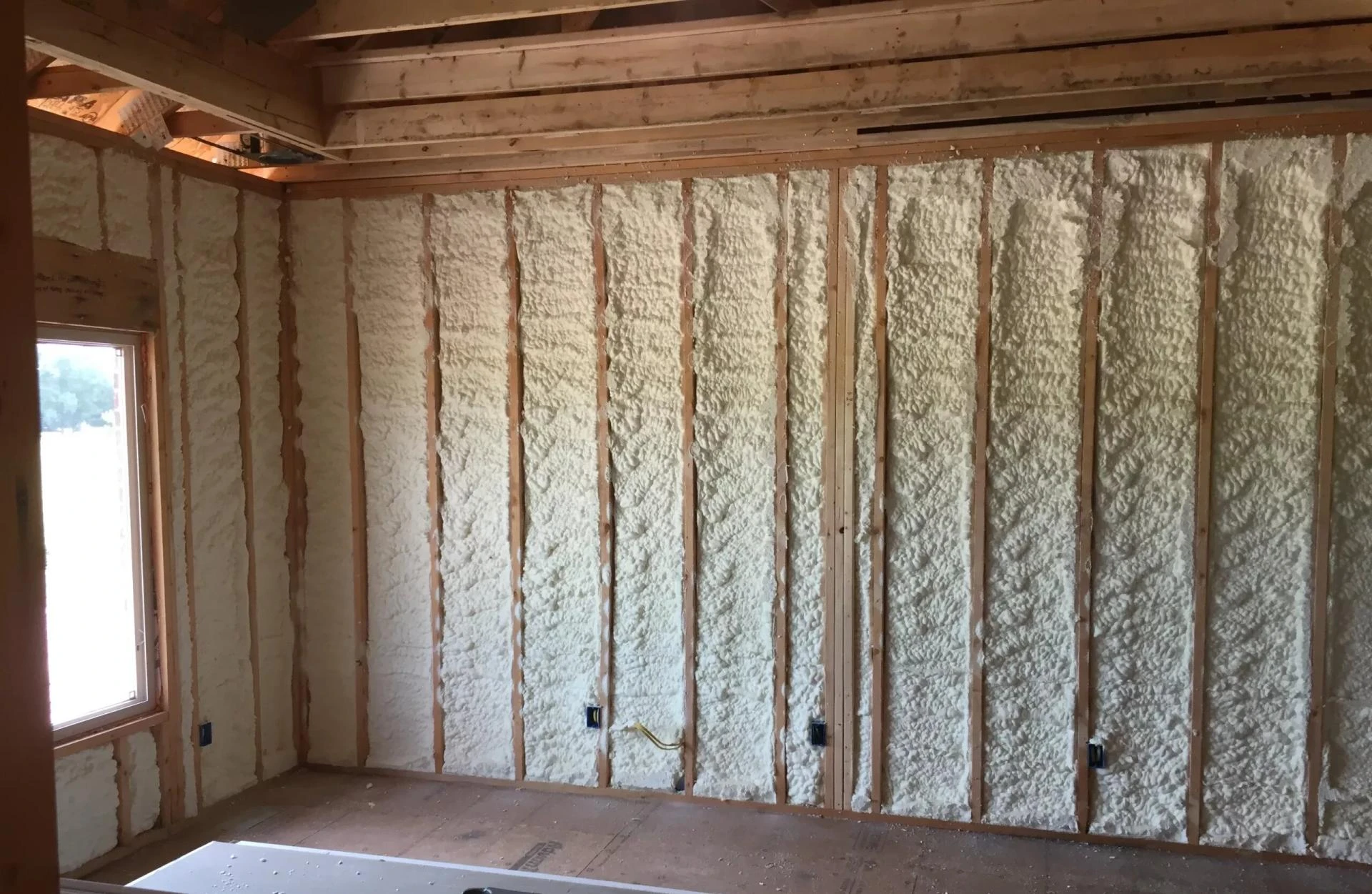
The key to closed-cell spray foam’s quality lies in its composition. During application, two liquid components are mixed, creating a chemical reaction that causes the foam to expand and harden. The resulting material is incredibly dense and its cells are completely enclosed, trapping the insulating agent within. This is fundamentally different from open-cell foam, which has a softer, more flexible structure where the cells are interconnected.
This dense, closed structure is responsible for three of its most important characteristics: a high R-value, low permeability to air and moisture, and impressive rigidity. These qualities work together to create a tightly sealed and well-insulated building envelope.
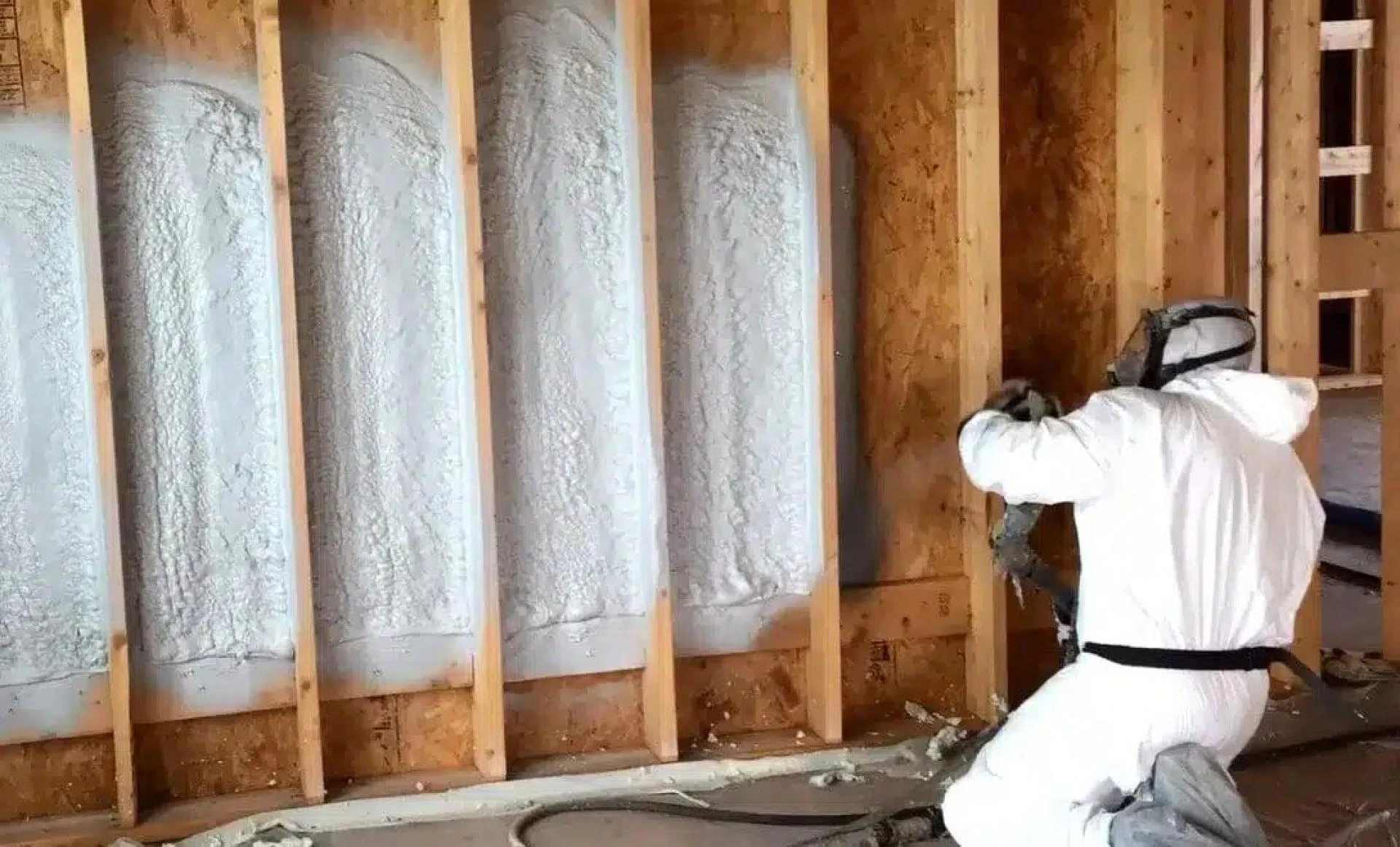
Key Performance Metrics of Closed-Cell Foam
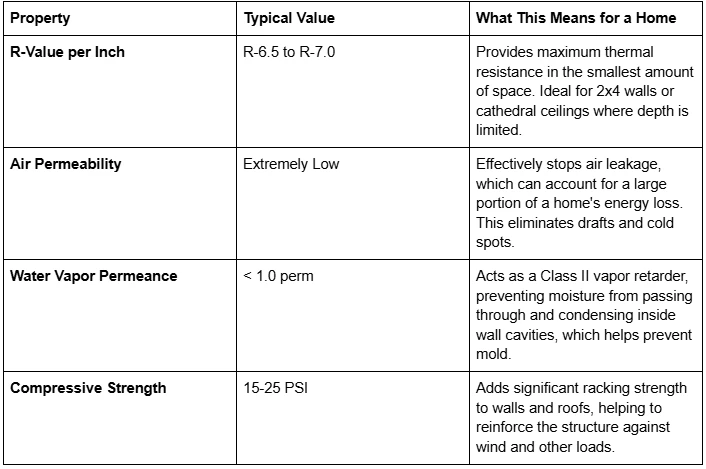
Bonus Tip: In regions with cold winters like Massachusetts, building codes often require a vapor barrier on the warm side of the insulation. Because closed-cell foam functions as its own vapor barrier, it can simplify construction and ensure long-term protection against moisture damage.
A Four-in-One Solution for Your Home
Closed-cell spray foam is often considered a four-in-one product because it addresses thermal, air, moisture, and structural needs simultaneously. This consolidation of functions is what makes it such a powerful and efficient building material.
First, its high R-value means homeowners can achieve excellent insulation levels without sacrificing interior space. For example, just three inches of closed-cell foam in a wall can provide an R-value of around R-21, meeting or exceeding code requirements in many areas.
Second, its ability to create a continuous air barrier is arguably its most important feature. The U.S. Department of Energy estimates that air leaks can be responsible for 25-40% of the energy used for heating and cooling. By expanding to fill every gap and crack, closed-cell foam virtually eliminates this source of energy waste.
Third, its resistance to moisture is a critical benefit, particularly in basements, crawl spaces, and on the interior of foundation walls. By stopping moisture from wicking through concrete or seeping into the building, it helps keep these areas dry and free of mold and mildew.
Finally, the added structural reinforcement is a unique advantage. When applied to the underside of a roof deck or within wall cavities, the hardened foam bonds to the sheathing and framing members, creating a composite structure that is significantly stronger and more resistant to uplift from high winds.
Things to Consider Before Making a Decision
While the benefits of closed-cell foam are clear, there are a few practical considerations for homeowners.
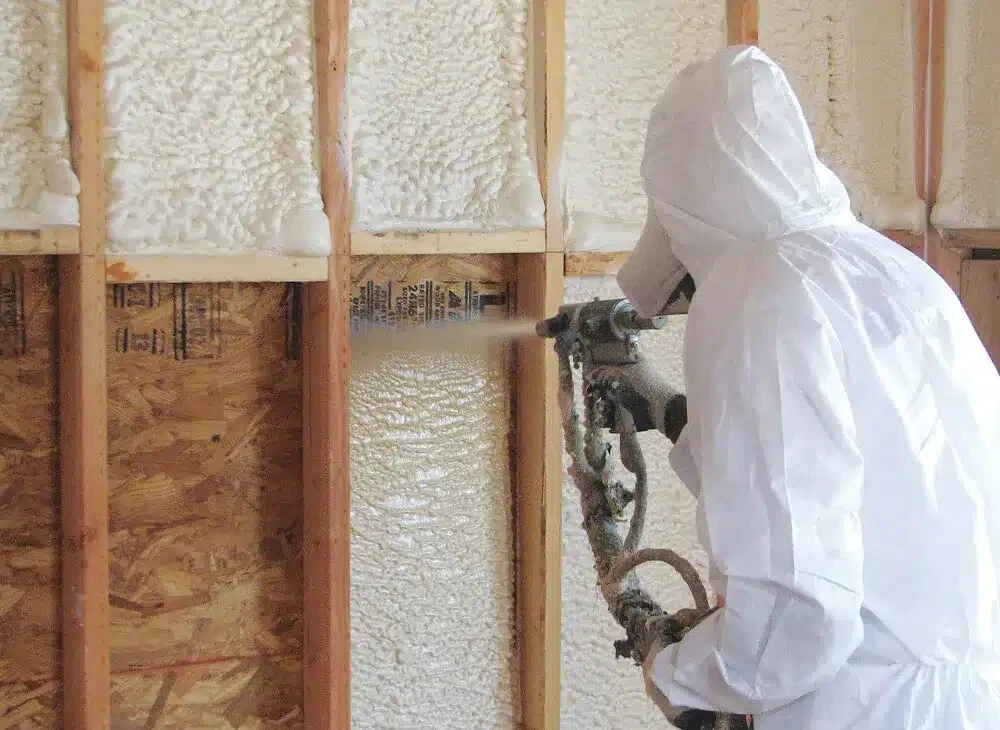
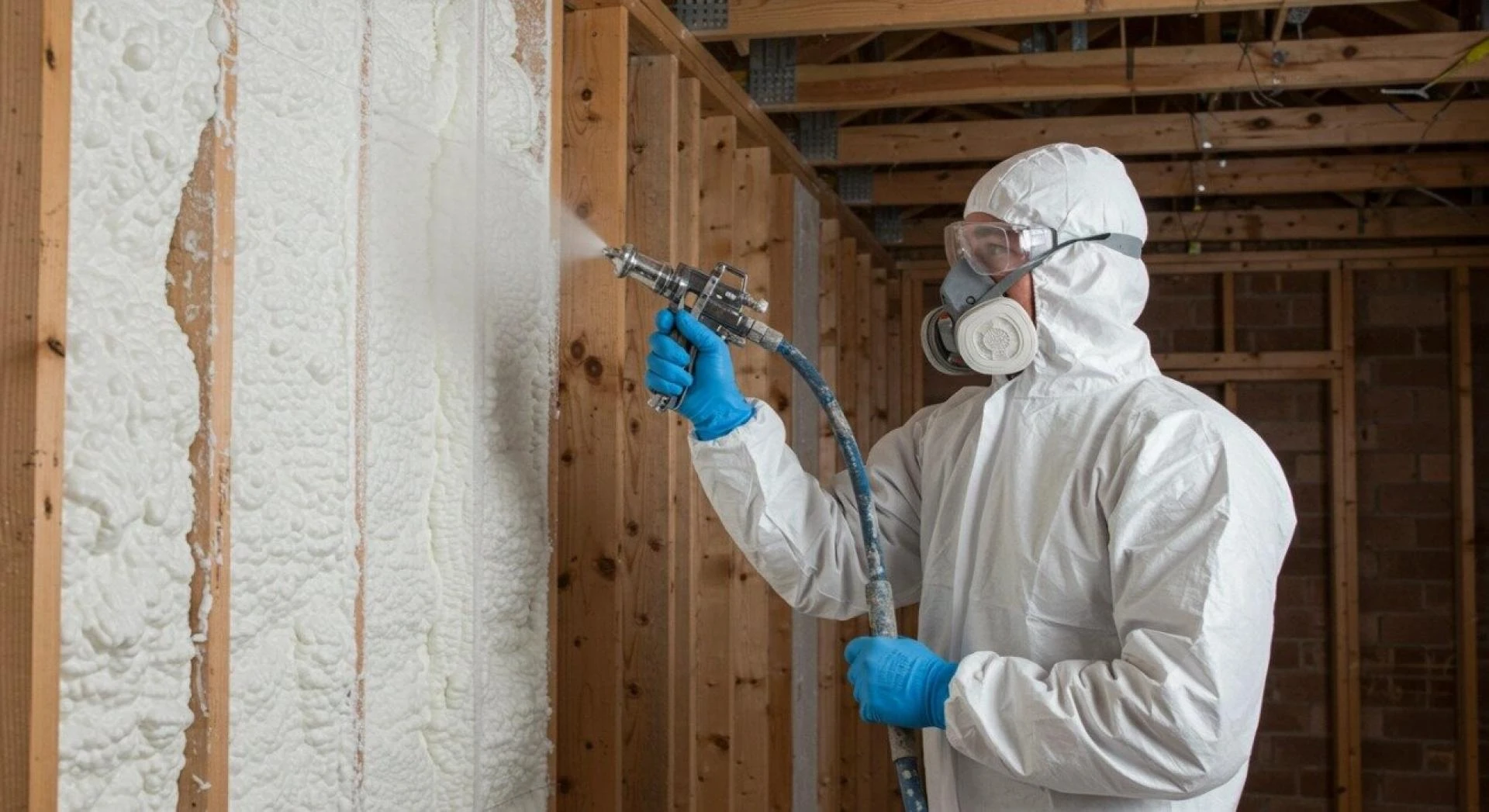
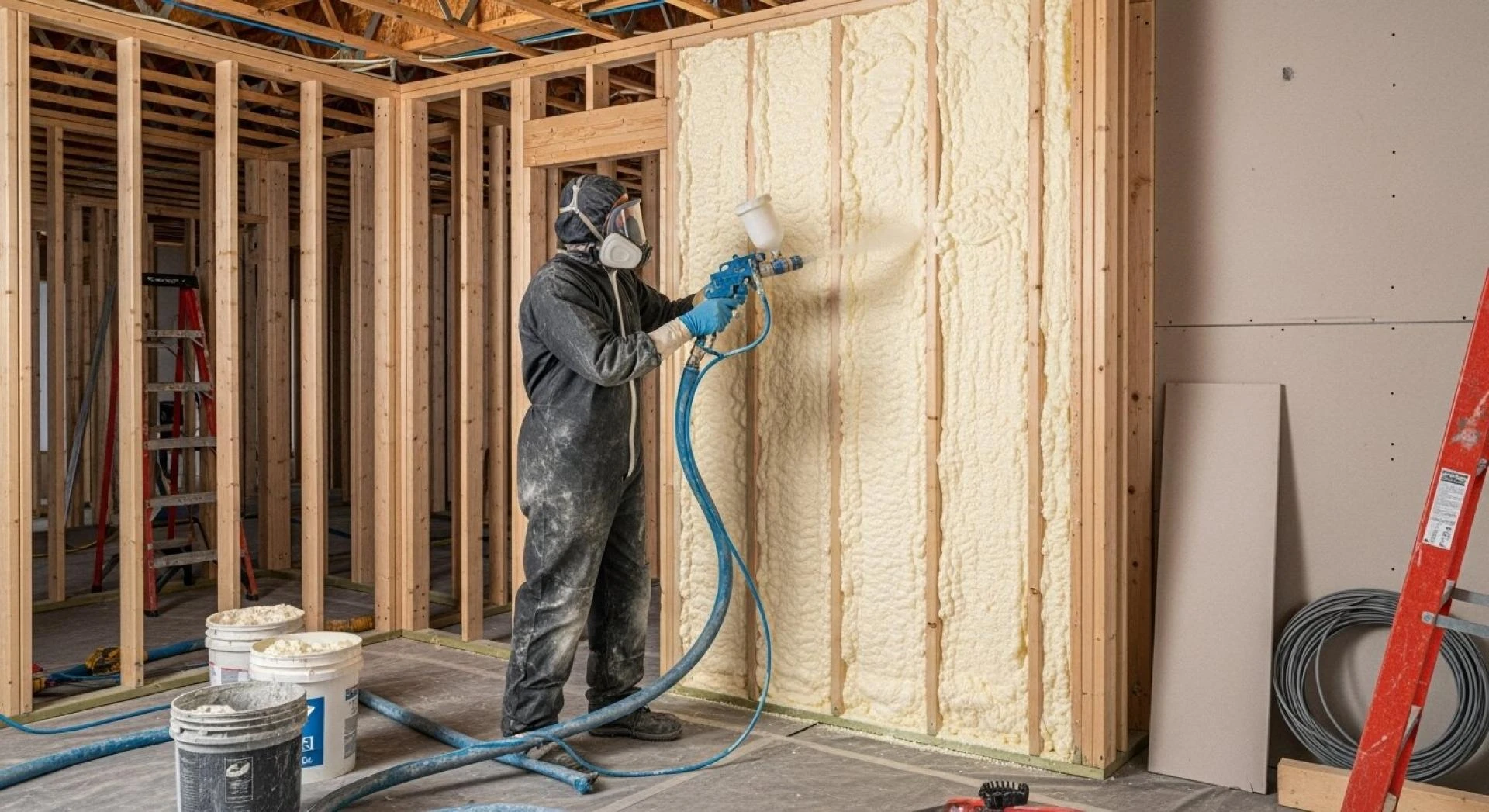
- Professional Installation is Essential: This is not a DIY product. The chemicals involved require precise mixing, temperature control, and application techniques. Proper installation also requires extensive safety precautions, including full personal protective equipment and ventilation. The quality of the final product is entirely dependent on the skill of the installer.
- Upfront Cost: Closed-cell spray foam typically has a higher initial cost per square foot than other insulation types like fiberglass or cellulose. However, it's important to view this as a long-term investment. The energy savings over the life of the home, combined with its durability and other benefits, often result in a strong return on investment.
- Substrate Preparation: For the foam to adhere properly and create a perfect seal, the surface it's being applied to must be clean, dry, and free of oil or dust. A professional contractor will include proper surface preparation as a standard part of their process.
Bonus Tip: Because closed-cell foam creates such a tight building envelope, it's a good idea to have a conversation with your installer about your home's mechanical ventilation. A tighter house may require adjustments to ensure a healthy exchange of fresh air.
Frequently Asked Questions About Closed-Cell Foam
How long does closed-cell spray foam last?
When installed properly and not exposed to direct sunlight, closed-cell spray foam does not shrink, settle, or sag. It is a very stable material that is expected to last for the life of the building.
Does closed-cell foam have an odor?
There is a distinct odor during the application and curing process, which is why the area must be well-ventilated and unoccupied. After the foam has fully cured (typically within 24 hours), it becomes inert and odorless.
Can it be used on the exterior of a building?
Yes, closed-cell foam is sometimes used on the exterior of a building's sheathing as continuous insulation. When used this way, it must be protected from UV light (sunlight) by a weather-resistant barrier and the final cladding material (siding, brick, etc.).
Is it a good soundproofer?
While it does offer some sound reduction due to its air-sealing properties, it is not as effective at absorbing sound as open-cell foam. Its rigid, dense structure tends to reflect sound waves more than absorb them. For projects where soundproofing is the primary goal, open-cell foam is often the better choice.
What happens if you need to run new wiring through a wall with closed-cell foam?
It is more difficult than with traditional insulation. An electrician would typically have to cut a channel through the foam to run the new wire and then the channel would need to be sealed again afterward. It's best to plan for any future wiring needs before the insulation is installed.
A Reliable Foundation for Home Performance
The proven quality of closed-cell spray foam insulation comes from its ability to perform multiple critical functions within a single application. By providing excellent thermal resistance, a robust air and vapor barrier, and added structural strength, it creates a more comfortable, durable, and energy-efficient home. While it requires professional installation and a higher initial investment, its long-term performance and reliability make it a smart choice for homeowners looking for a comprehensive solution.
Getting Professional Guidance
To determine if closed-cell spray foam is the right choice for a specific project, it’s always best to consult with an experienced insulation professional. They can perform a thorough assessment and provide a recommendation based on the home's unique needs. For those in the greater Boston area, Lamothe Spray Foam Insulation is a team known for their technical expertise and quality work. They can be reached for a consultation by email at [email protected] or by phone at (508) 847-0119.
Author: Robert Lamothe, owner and lead installer of Lamothe Insulation, brings over 20 years of expertise in spray foam insulation, carpentry, and building science. He is known for quality craftsmanship and delivering energy-efficient solutions.
Reviewer: Ethan Taylor has 8 years of experience in the spray foam insulation industry. He reviewed this content for accuracy and clarity, ensuring the information is practical for homeowners.

























Sign in to leave a comment.