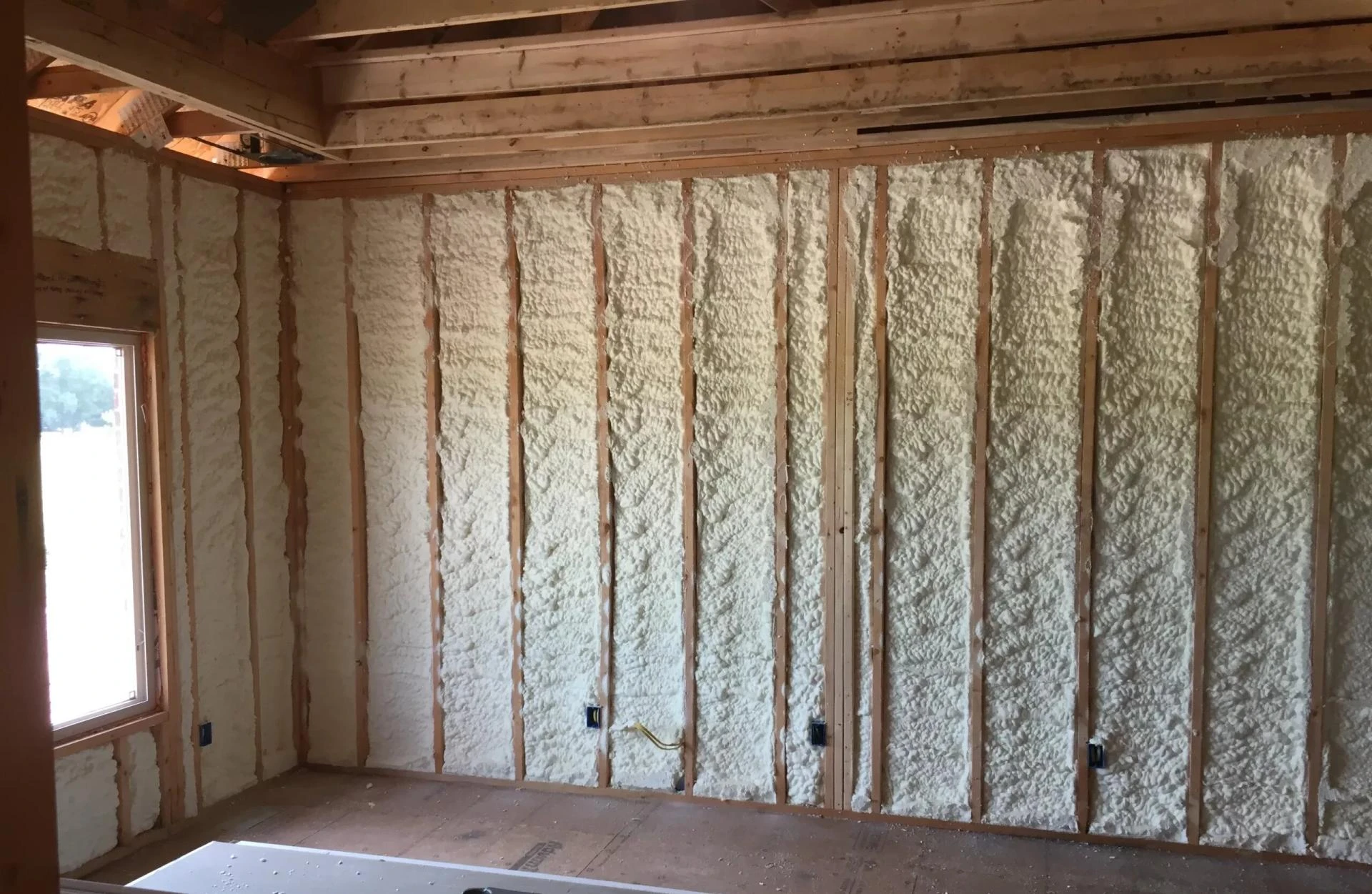

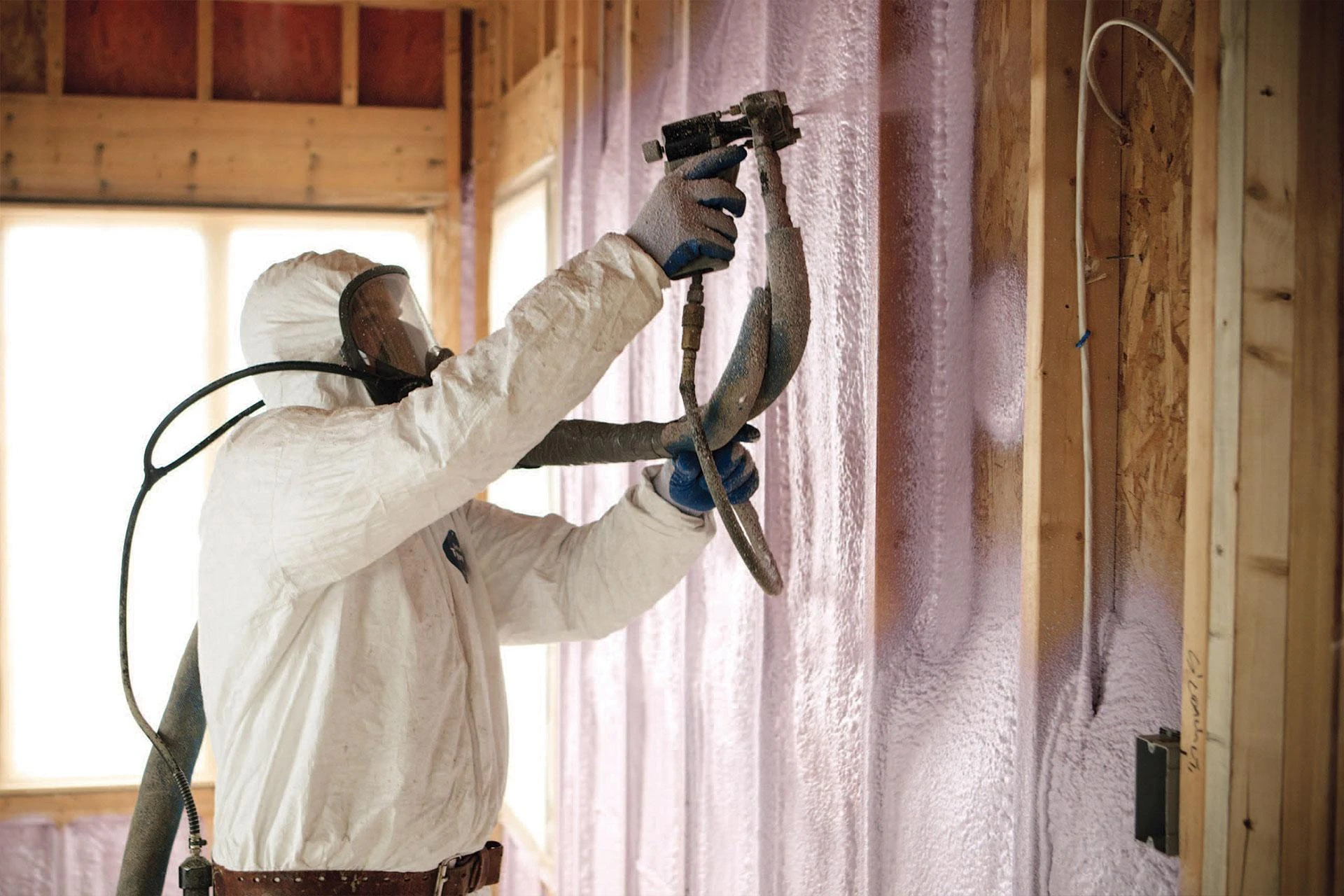
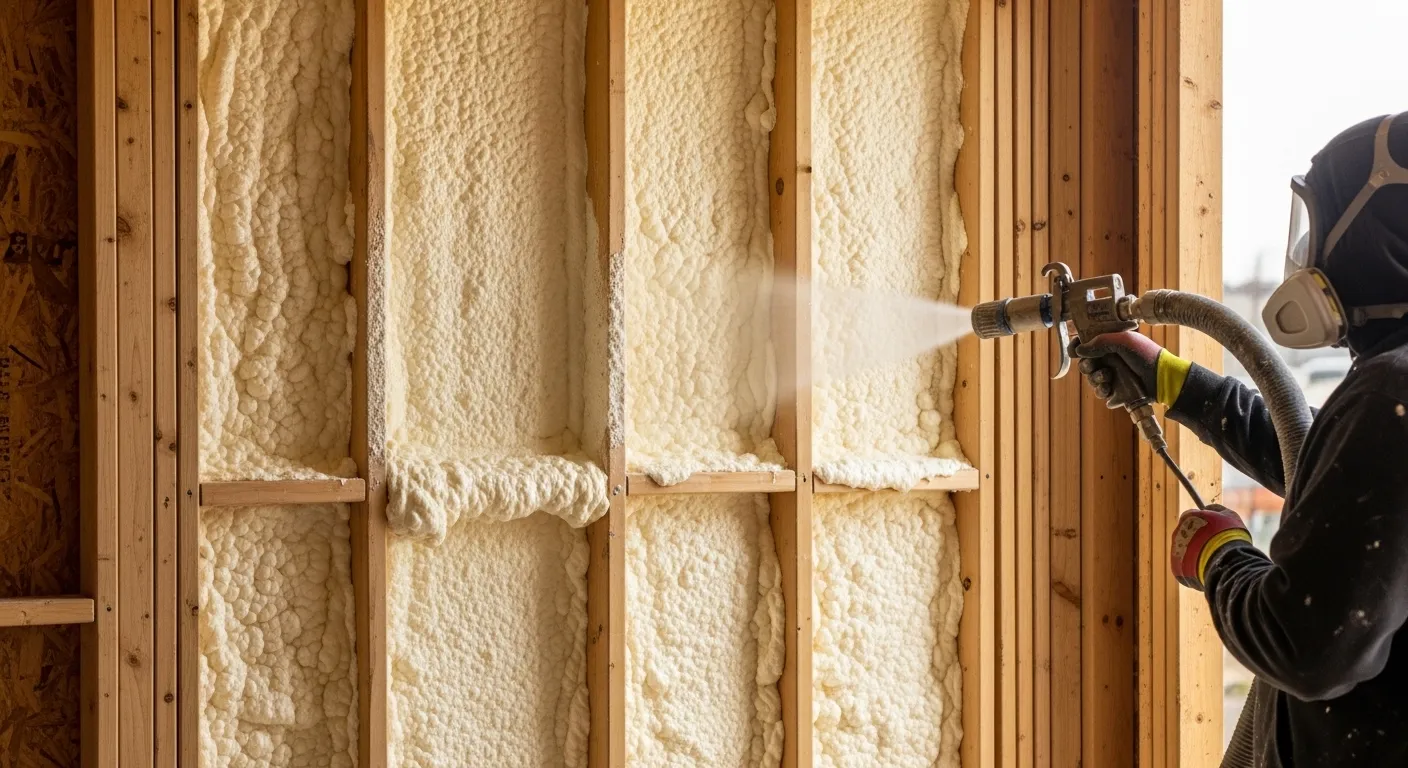
Closed-cell spray foam delivers strong long-term value by combining thermal resistance, air sealing, and structural support in one system. While the upfront cost is higher than fiberglass or cellulose, the energy savings it creates, often between 30% and 50%, along with fewer HVAC repairs and reduced moisture-related damage, allow the investment to pay for itself over time.
For property owners, it acts more like a long-term asset than a construction expense. Air leakage is one of the biggest sources of energy loss in most buildings, and closed-cell spray foam insulation solves this by expanding to seal gaps and curing into a rigid, durable barrier. This keeps conditioned air inside, blocks outdoor air from entering, and ensures heating and cooling dollars stay within the living space.
The Economics of Energy Efficiency
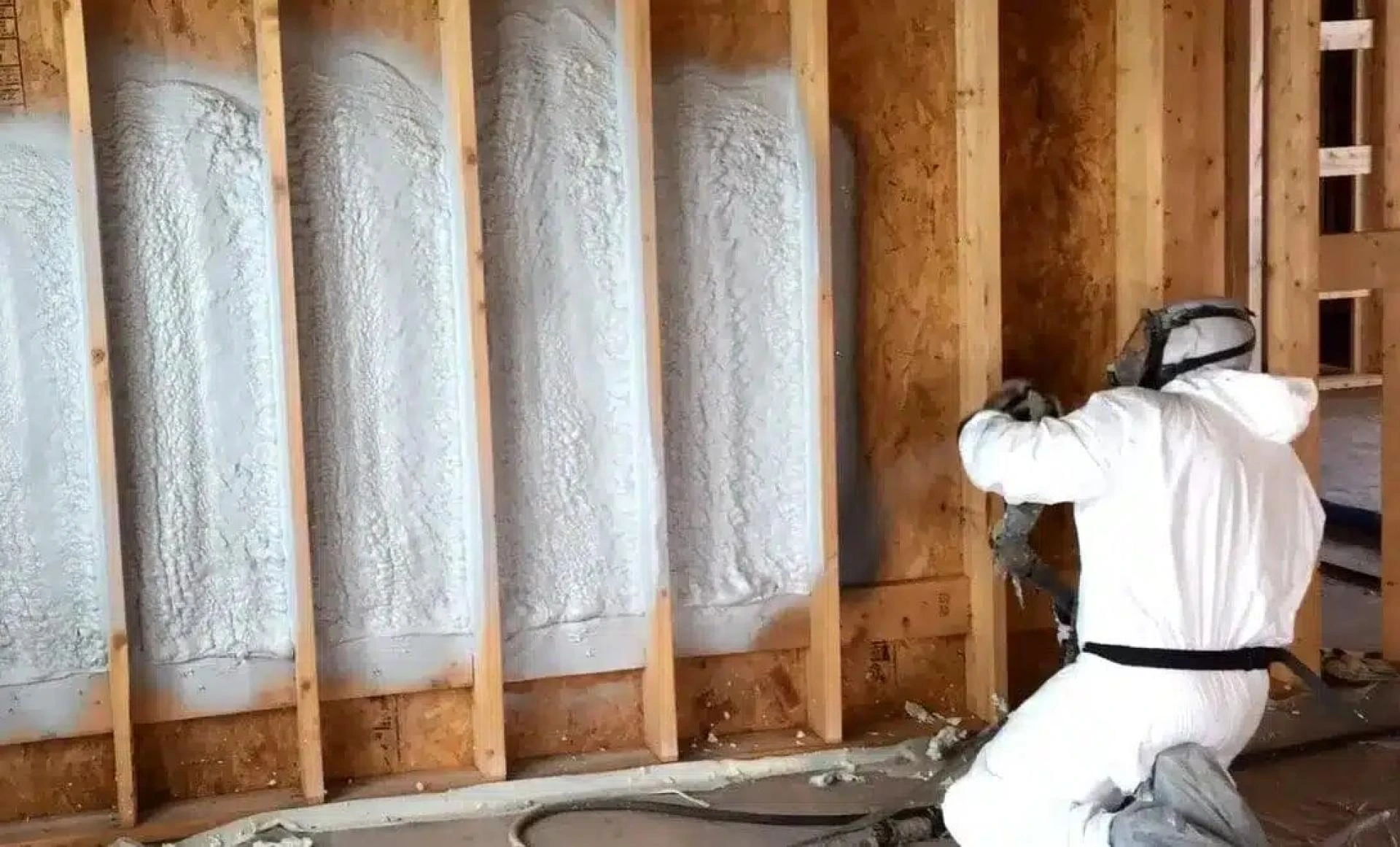
The primary financial driver for choosing closed-cell foam is the drastic reduction in monthly utility expenses. Traditional insulation materials work like a wool sweater; they hold heat but allow wind to pass right through. Closed-cell foam acts like a windbreaker, stopping air movement entirely.
Reducing HVAC Workloads
When a home is sealed tightly, the heating and cooling equipment runs less frequently and for shorter durations. This reduction in "cycling" extends the lifespan of the mechanical systems, delaying the need for expensive replacements. Market data suggests that high-performance insulation can reduce the required size of HVAC equipment, allowing builders and homeowners to save money by purchasing smaller, more efficient units during construction or renovation.
Defining R-Value and Air Barriers
R-value measures resistance to heat flow, and closed-cell foam boasts one of the highest ratings per inch in the industry, typically around R-7. However, the real value lies in its ability to act as an air barrier.
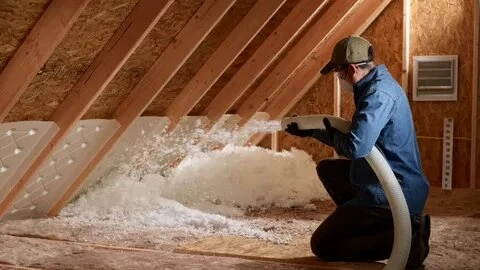
- Fiberglass batts can lose up to 40% of their effectiveness due to air infiltration.
- Closed-cell foam maintains its performance regardless of wind pressure.
- The consistent thermal barrier eliminates hot and cold spots in the home.
Bonus Tip
Check your local utility bills from the past two years before installing. This establishes a baseline to track the immediate financial impact of the upgrade, often revealing savings in the very first billing cycle after installation.
Structural Durability and Maintenance Savings
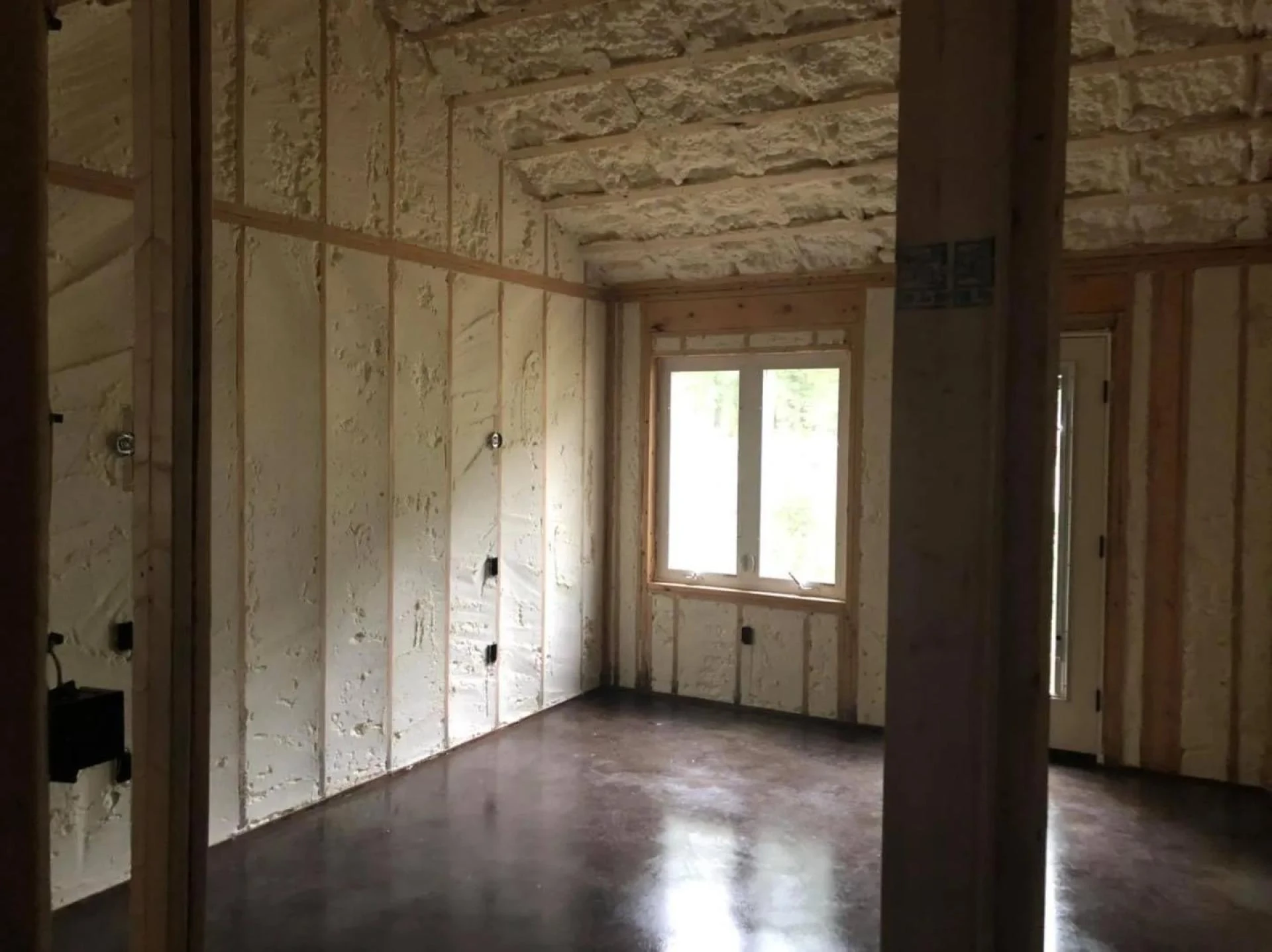
Beyond energy bills, closed-cell foam provides financial benefits by protecting the physical structure of the house. It is the only insulation material that adds significant structural strength to walls and roofs. When applied to the interior of exterior walls, the rigid foam bonds the studs to the sheathing, increasing the wall's resistance to "racking" or shifting during high winds and storms.
Preventing Moisture Damage
Water is the enemy of any building, leading to rot, mold, and costly remediation projects. Closed-cell foam creates a Class II vapor retarder that stops moisture from passing through wall cavities.
- It prevents warm, humid interior air from contacting cold exterior sheathing.
- This stops condensation from forming inside the walls during winter.
- It eliminates the conditions necessary for mold growth, protecting indoor air quality.
Saving on Roof Repairs
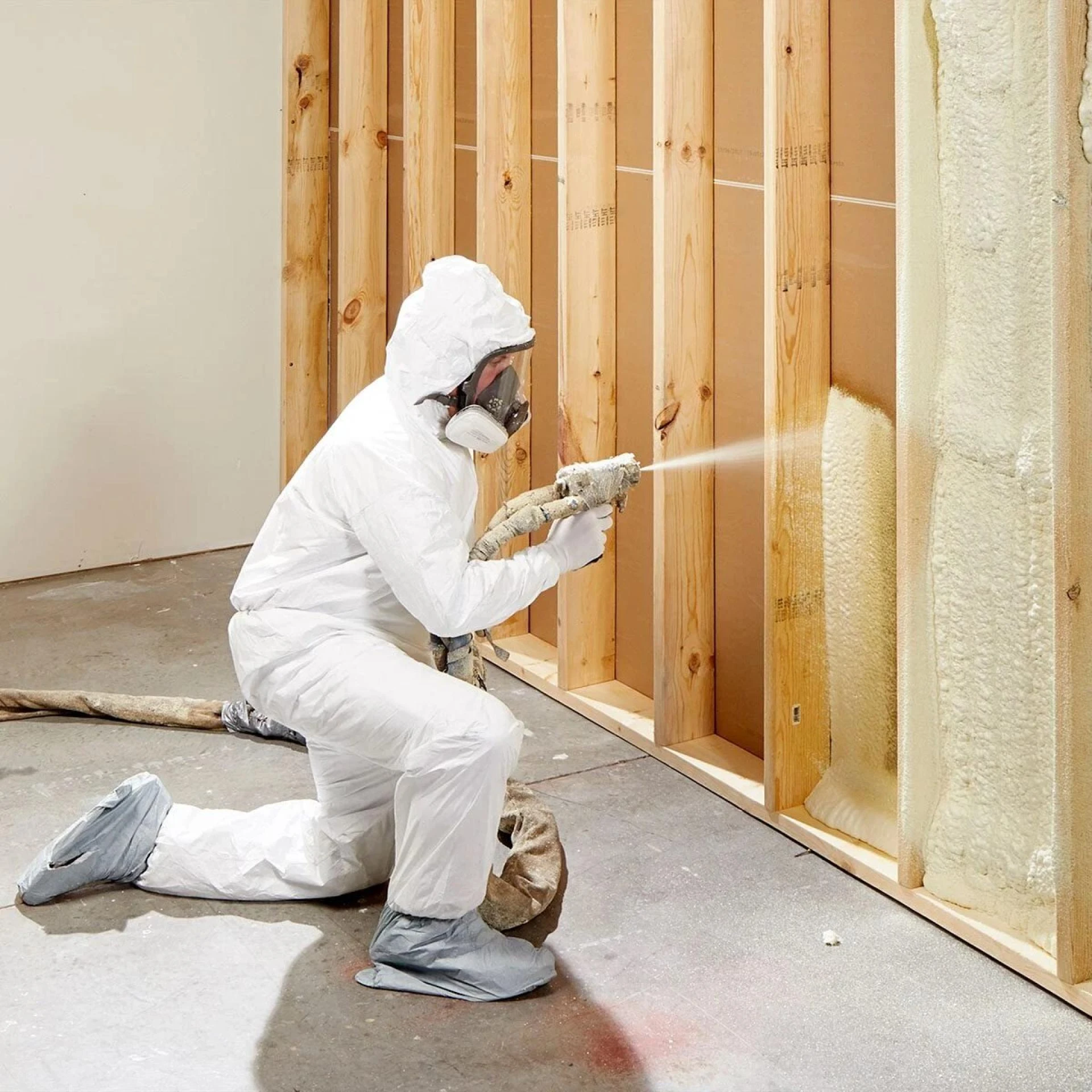
In regions with snowy winters, ice dams can cause thousands of dollars in damage to roofs and gutters. By applying closed-cell foam to the underside of the roof deck, heat is kept out of the attic. This prevents the snow on the roof from melting unevenly and refreezing, effectively eliminating the cause of ice dams and preserving the roof shingles.
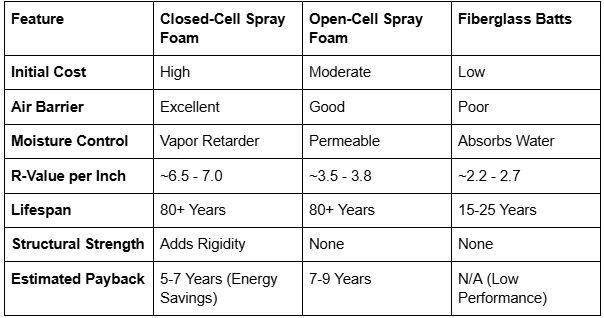
Comparing ROI: Closed-Cell vs. Traditional Materials
To understand the full financial picture, it helps to compare the lifetime costs and benefits of different insulation types. The following table outlines why the higher upfront cost of closed-cell foam yields a better financial outcome over time compared to cheaper alternatives that degrade or fail to seal air leaks.
Things to Consider Before Making a Decision
While the long-term math favors closed-cell foam, the upfront investment is significant. Property owners must evaluate their timeline for staying in the home. If the plan is to move within a year or two, the return on investment may not be fully realized by the current owner, although it does add resale value.
Regional Climate Factors
The value proposition of closed-cell foam is strongest in areas with extreme weather, such as New England's cold winters and humid summers. In milder climates where the temperature difference between inside and outside is small, the payback period may be longer.
- Assess the severity of local weather patterns.
- Consider the age of the home; older homes often see the biggest gains.
- Look for drafty areas like rim joists and basements first.
Bonus Tip
Research state and federal energy rebates. Many programs, such as Mass Save in Massachusetts, offer substantial financial incentives that can cover a large percentage of the installation cost, instantly improving the ROI.
Conclusion
Closed-cell spray foam insulation stands out as a prudent financial decision for any property owner looking to reduce overhead and protect their asset. By effectively sealing the building envelope, it targets the root cause of energy waste and moisture damage. The result is a home that costs significantly less to operate, requires fewer repairs, and maintains a comfortable environment year-round. When viewed through the lens of long-term ownership, the durability and efficiency of this material make it the clear economic winner.
Taking the Next Step
For those interested in securing these long-term savings, a professional energy assessment is the first move. Experts can calculate the potential ROI based on the specific layout and current condition of a building. Lamothe Spray Foam Insulation specializes in helping homeowners understand the financial and structural benefits of upgrading their insulation. They provide detailed evaluations to ensure the investment makes sense for the property.
To discuss a specific project or request an estimate, readers can contact the team by phone at (508) 847-0119. Alternatively, inquiries regarding current pricing and scheduling can be sent via email to [email protected]. Choosing a knowledgeable partner ensures high-quality application and maximizes the financial returns of the project.
Common Questions About Cost and Value
Homeowners often hesitate due to the price tag of spray foam without realizing the daily costs they are already paying due to inefficiency. Addressing these common financial questions helps clarify the true value of the investment.
Is closed-cell foam really worth the extra cost?
Yes, for homeowners planning to stay in their property for more than a few years. The combination of monthly energy savings, equipment longevity, and structural protection typically outpaces the initial price difference within five to seven years. After that point, the savings are pure profit.
Does spray foam increase the resale value of a home?
Absolutely. Modern buyers are increasingly educated about energy efficiency and building health. A home with documented low utility bills and a high-performance envelope is more attractive and can command a higher selling price than a drafty, older home.
Can I just insulate the attic to save money?
Insulating the attic provides the best "bang for the buck" because heat rises and escapes through the roof. However, neglecting the basement or rim joists leaves the bottom of the house open to cold air intake. A comprehensive approach yields the best savings, but starting with the attic is a sound financial strategy if the budget is tight.
Will I ever need to replace closed-cell foam?
Unlike fiberglass, which can sag, settle, or become waterlogged, closed-cell foam is a permanent solution. It adheres to the building materials and retains its shape and performance for the life of the structure. This eliminates the future cost of removal and re-installation.
Does it lower insurance premiums?
In some cases, yes. Because closed-cell foam adds strength to the roof and walls, improving resistance to wind and storms, some insurance carriers offer discounts for homes with this type of reinforcement. It is worth asking an insurance agent about credits for "secondary water resistance" or structural upgrades.
Author: With over two decades of hands-on experience, Robert Lamothe, owner and lead installer of Lamothe Insulation, brings unparalleled expertise in spray foam insulation, carpentry, and building science. Since 2002, he has earned a reputation for precision, quality craftsmanship, and delivering energy-efficient solutions that stand the test of time. Lamothe Insulation is a family-owned and family-operated business, and Robert also owns the Goddard School of Auburn, an early childhood education school.
Reviewer: Ethan Taylor has 8 years of experience in spray foam insulation. He reviewed this content and suggested ways to simplify business outreach while maintaining trust and professionalism.























Sign in to leave a comment.