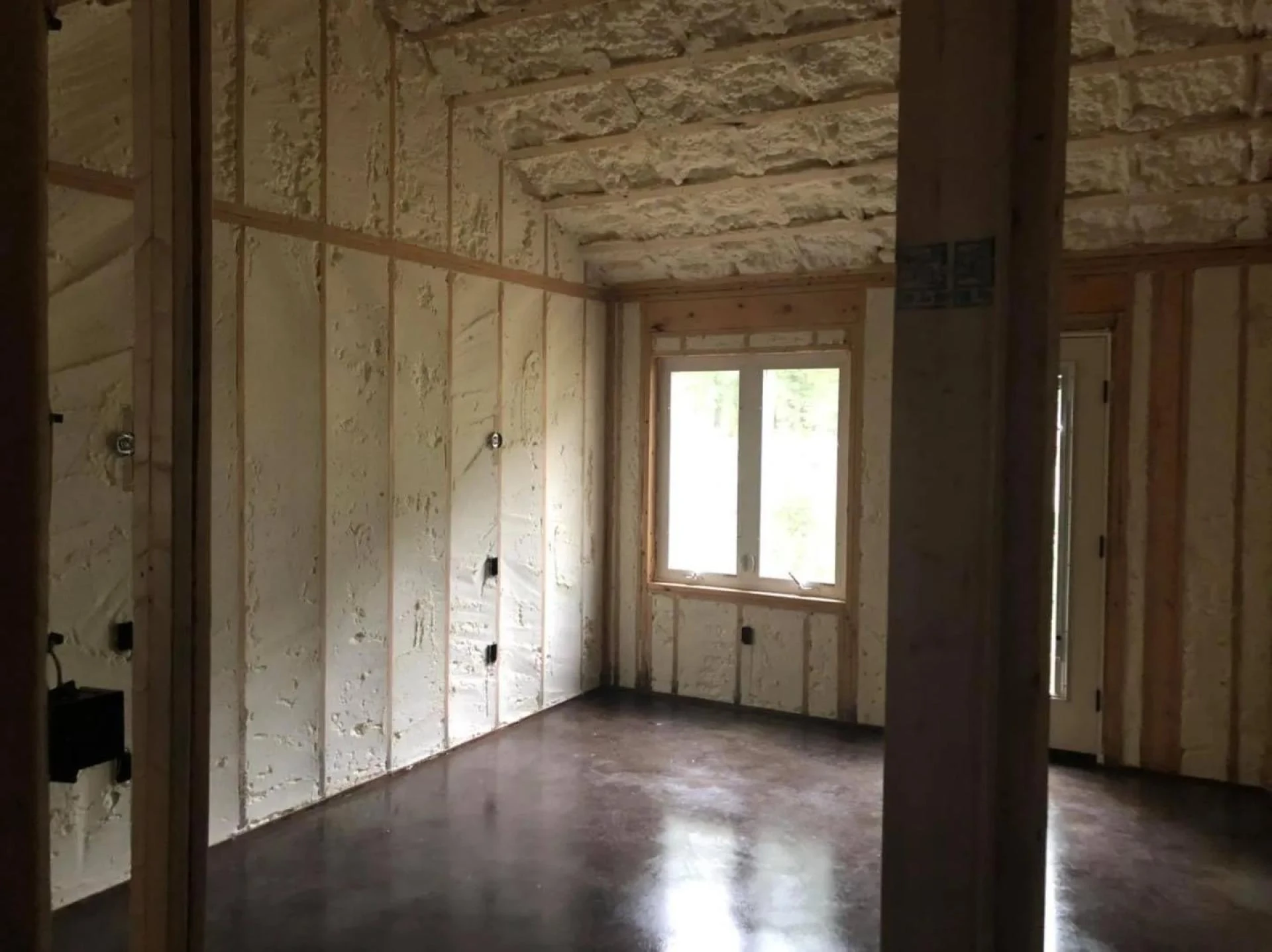

For homeowners in Framingham, reliable insulation is a fundamental necessity for protecting property value and ensuring structural longevity, rather than just a tool for comfort. High-performance insulation, particularly closed-cell spray foam, provides the only permanent solution that addresses heat loss and air leakage simultaneously.
Industry experts emphasize that the age of the housing stock in Framingham further amplifies this need. Many local homes were built before modern energy codes existed, resulting in significant air infiltration through rim joists, attics, and fieldstone foundations. Upgrading to a modern insulation system in Framingham, MA seals these gaps, transforming a drafty, energy-wasting structure into a secure and efficient environment.
This proactive approach prevents the monthly financial drain of high utility bills while safeguarding the home against the physical damage caused by New England weather patterns.
The Impact of New England Weather on Local Homes
Framingham experiences a wide temperature range throughout the year, ranging from sub-zero nights in January to 90-degree days in July. This thermal shock forces building materials to expand and contract, opening seams and gaps over time. Without reliable insulation to buffer these changes, the interior living space becomes subject to the whims of the outdoor thermometer.
Battling Ice Dams in Winter
The most destructive consequence of poor insulation in this region is the formation of ice dams. These occur when heat escapes from the living area into the attic, warming the roof deck and melting the snow. The runoff flows down to the cold eaves and refreezes, creating a dam that forces water back under the shingles.
- Water intrusion can rot the roof sheathing and wall framing.
- Interior ceilings are often affected by water damage and mold growth.
- Reliable insulation stops the heat transfer that starts this cycle.
Moisture Control in Humid Summers
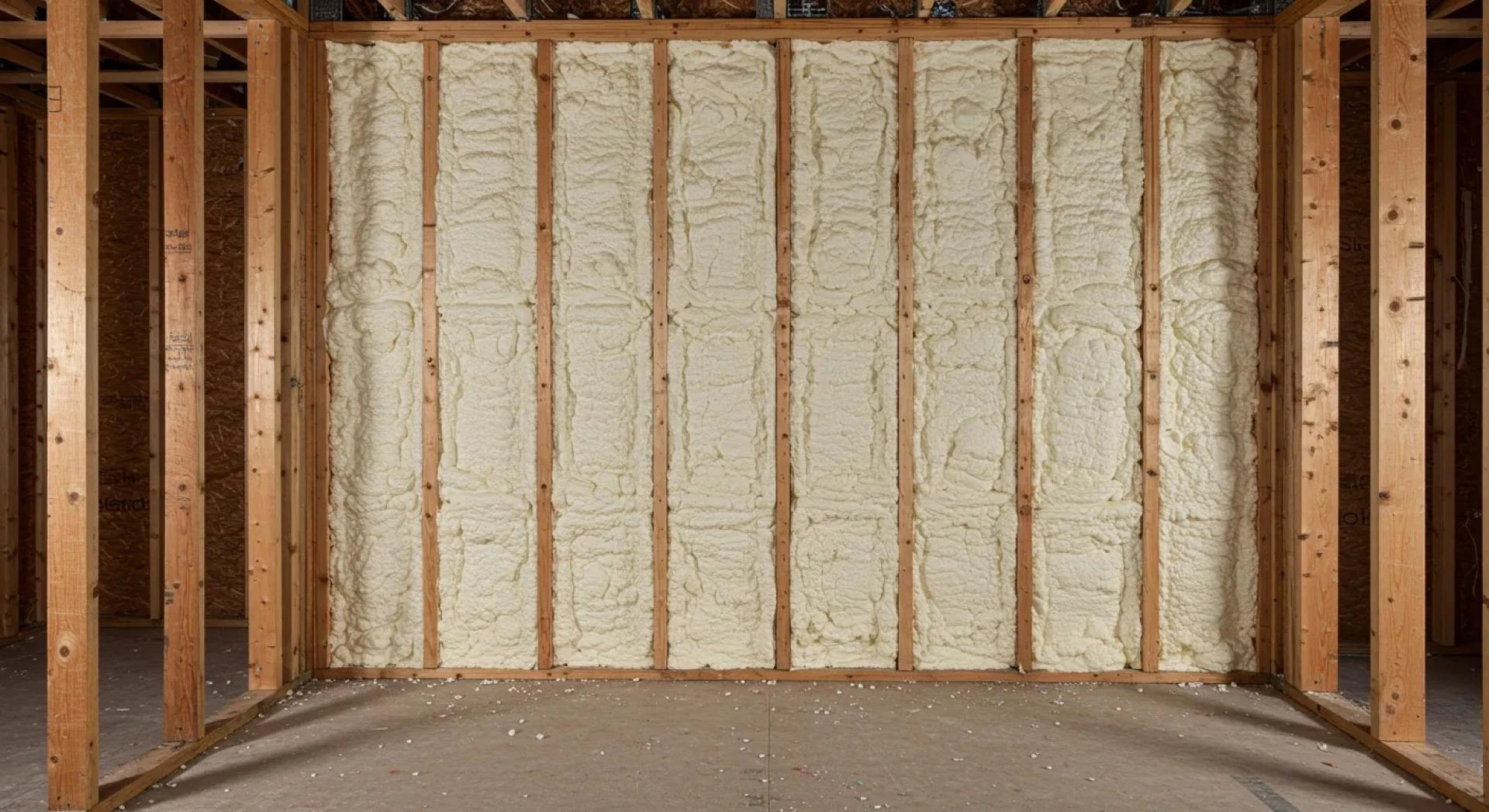
During the summer months, high humidity can wreak havoc on homes that lack proper air sealing. When hot, moist air infiltrates the building and hits cool surfaces in the basement or air-conditioned rooms, condensation occurs. This moisture buildup creates an ideal breeding ground for mold and mildew. Closed-cell spray foam acts as a vapor retarder, preventing this moisture migration and keeping the structural wood dry.
Economic and Structural Implications
The financial argument for upgrading insulation extends beyond the immediate reduction in heating and cooling costs. While Massachusetts residents pay some of the highest energy rates in the country, the cost of deferred maintenance on a poorly insulated home is often higher. Structural repairs caused by moisture rot or ice damage can cost tens of thousands of dollars, far exceeding the investment in a proper building envelope.
Preserving Historic Architecture
Framingham is home to many older properties, including Victorians and Capes, which often feature "balloon framing." This construction style allows air to travel unimpeded from the basement to the attic, acting like a chimney for heat loss.
- Standard fiberglass batts cannot stop this airflow.
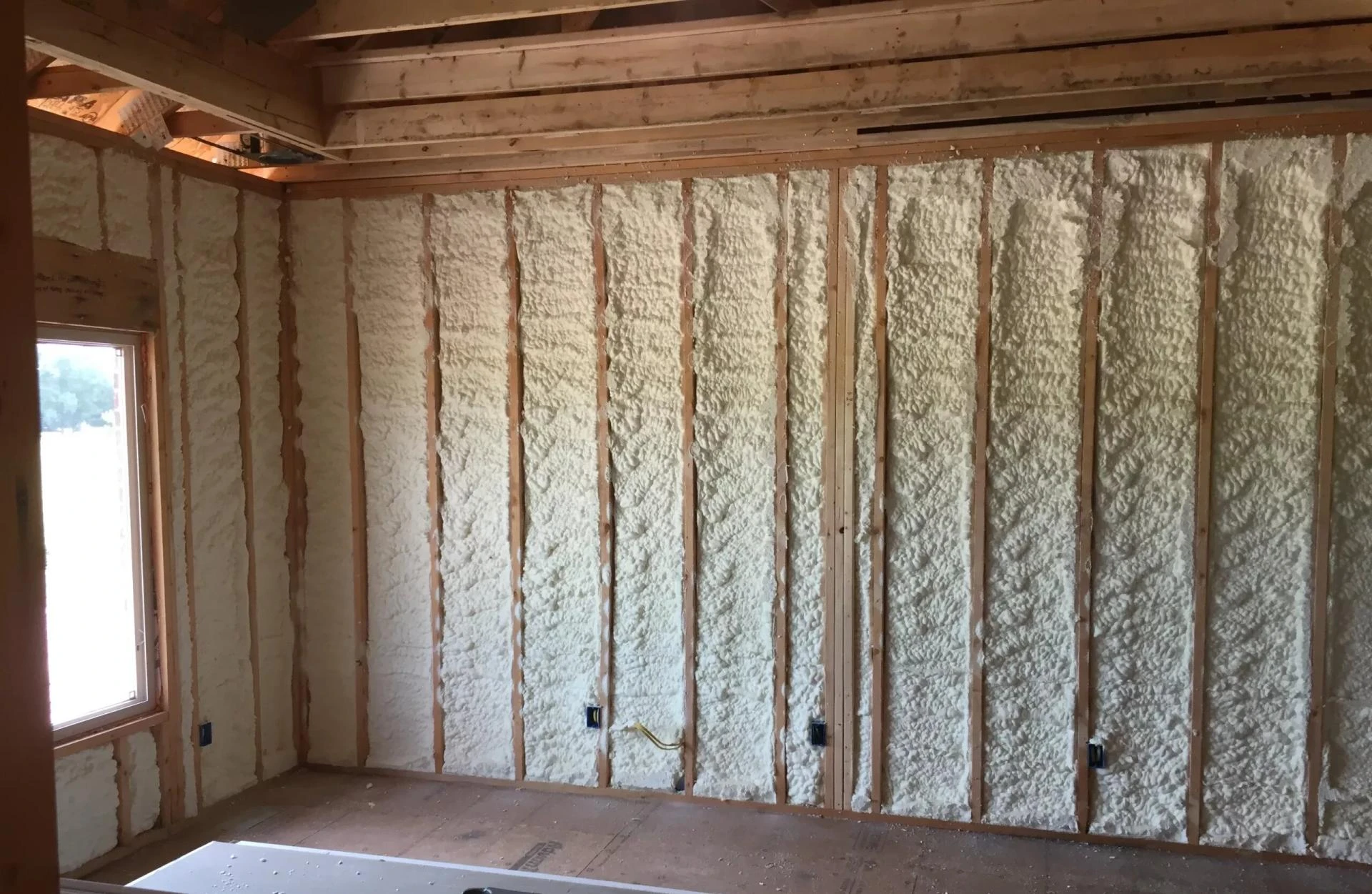
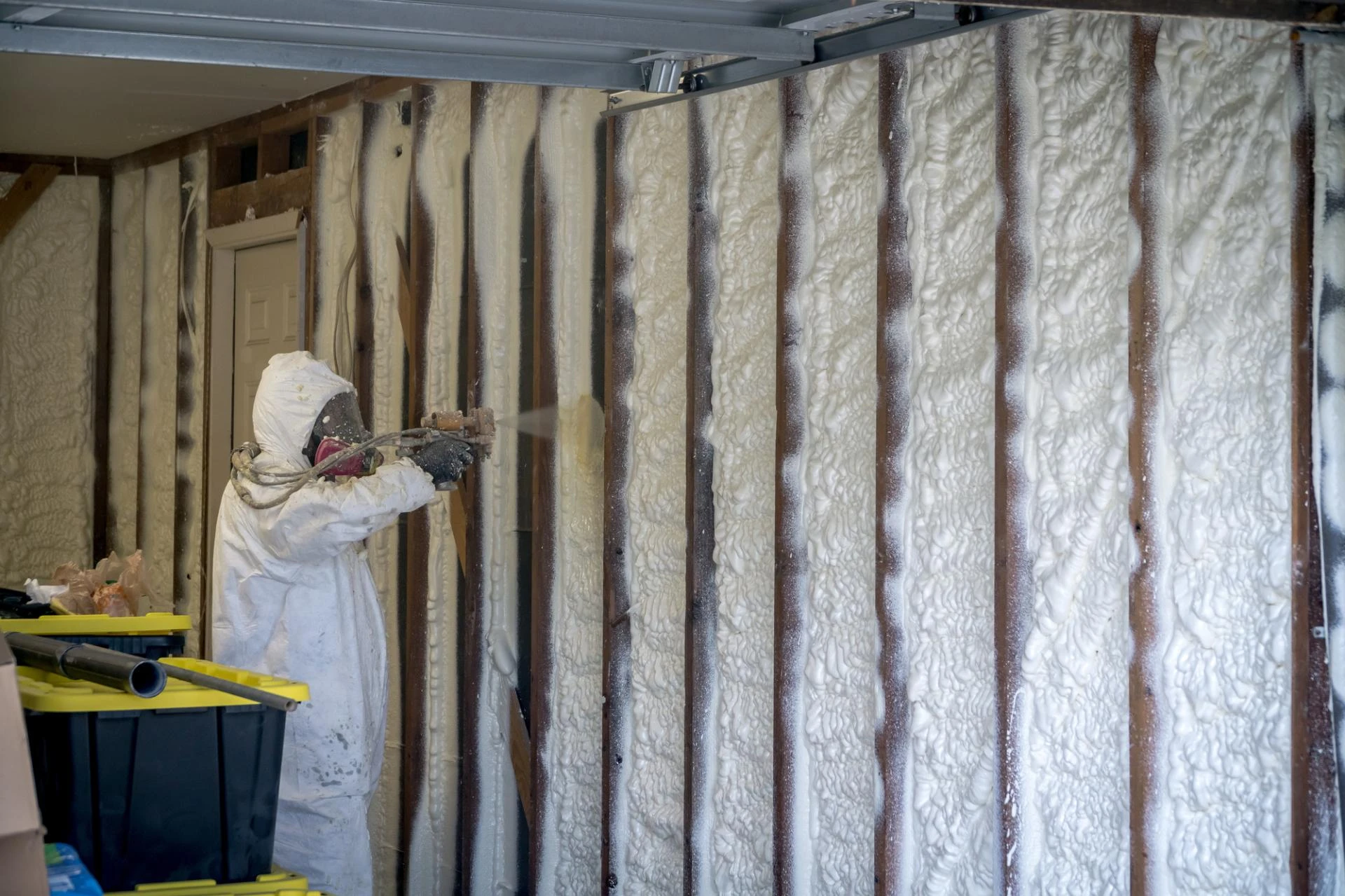
- Spray foam fills the stud cavities to block the draft.
- This preservation technique modernizes performance without altering aesthetics.
The Hidden Cost of Air Leakage
Market data suggests that air leakage accounts for up to 40% of the energy loss in a typical older home. This means that for every dollar spent on heating, forty cents escapes through cracks and gaps. Sealing the building envelope puts that money back into the homeowner's pocket.
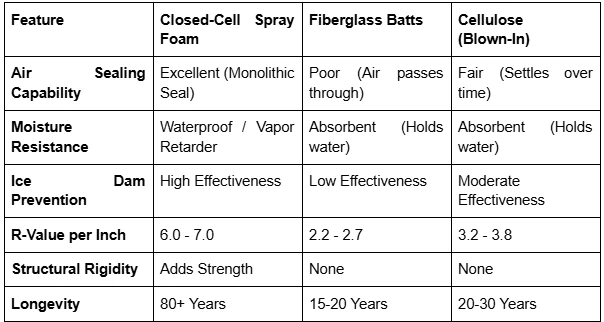
Comparing Insulation Solutions for the MetroWest Region
Selecting the right material is critical for achieving long-term results. The following table compares how different insulation types perform against the specific challenges found in Framingham homes.
Things to Consider Before Making a Decision
Before committing to an insulation upgrade, homeowners should evaluate the current state of their building envelope. It is essential to determine if the primary issue is conductive heat loss (lack of insulation) or convective heat loss (air leakage). In most Framingham homes, air leakage is the dominant problem, suggesting spray foam is the most effective solution.
Evaluating the Building Envelope
A professional energy audit, including a blower door test, provides concrete data on where the home is losing energy. This test creates a pressure differential to reveal hidden leaks in attics, basements, and windows. Understanding these specific failure points enables a targeted scope of work that maximizes return on investment.
Bonus Tip
Check for Mass Save rebates. This offers some of the most generous energy efficiency incentives in the nation, which can significantly offset the cost of upgrading to high-performance insulation.
Ventilation Requirements
When a home is sealed tightly to prevent energy loss, natural ventilation is reduced. Homeowners must ensure their HVAC system helps exchange fresh air. Installing an Energy Recovery Ventilator (ERV) is a standard practice that ensures healthy indoor air quality in high-performance homes.
Installation and Performance Standards
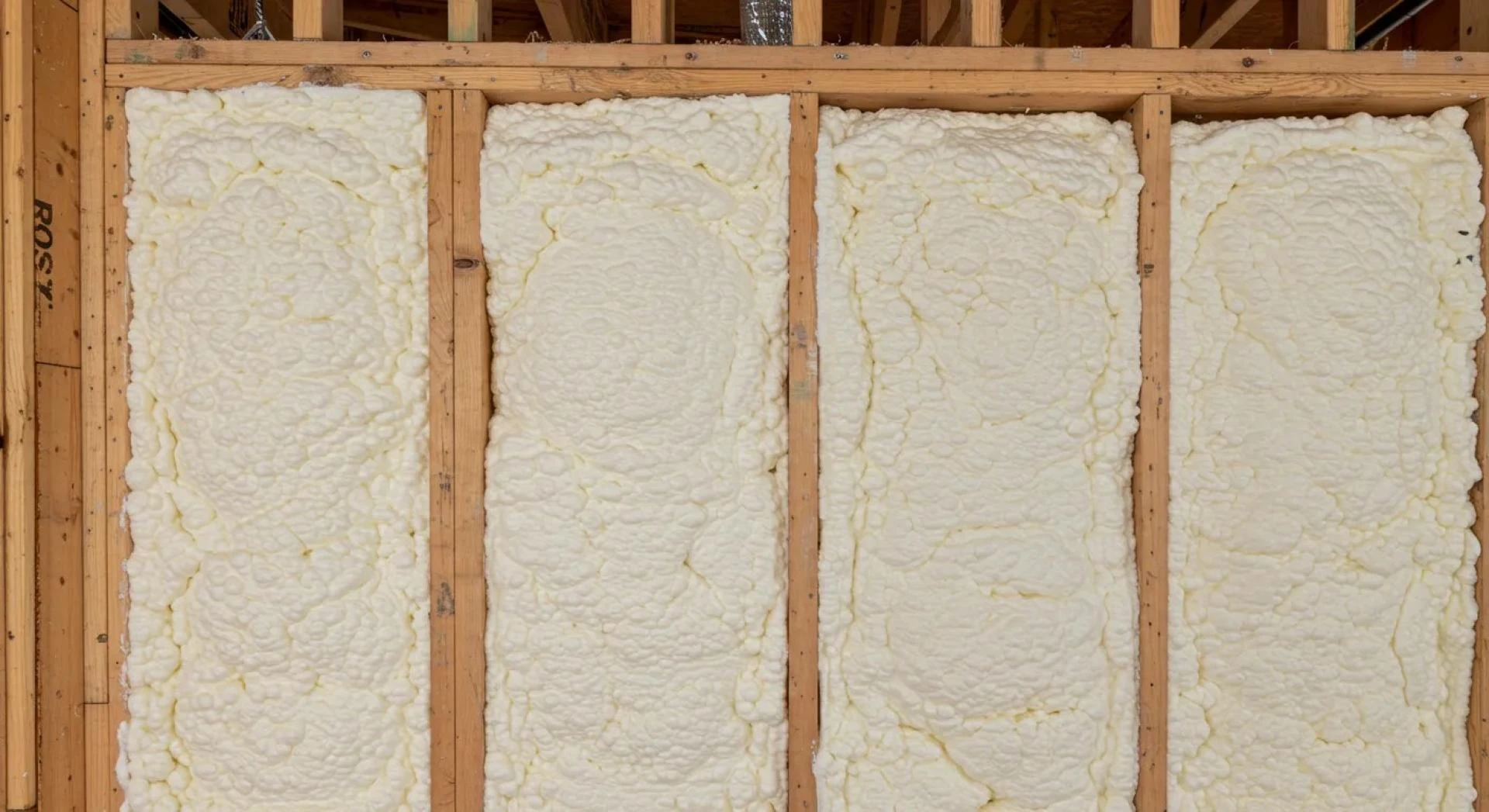
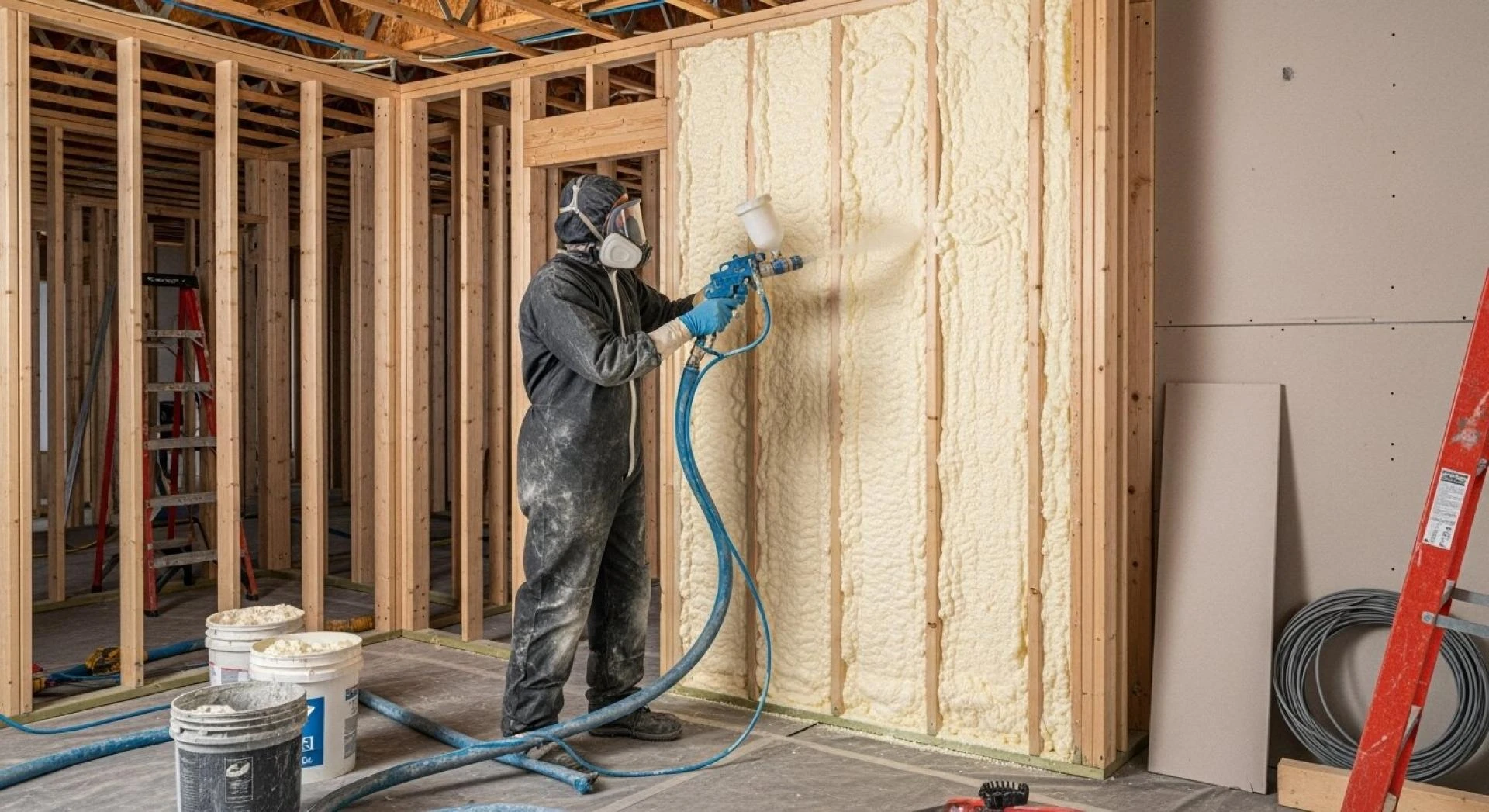
The effectiveness of any insulation product depends heavily on the quality of the installation. This is particularly true for spray foam, which requires precise chemical mixing and temperature control. A poor installation can lead to gaps, odors, or reduced thermal performance.
The Importance of Professional Application
Certified installers monitor the substrate temperature and humidity levels to ensure the foam adheres correctly and cures safely. In the variable New England climate, this often means heating the workspace during winter installations.
- Equipment must be calibrated for the specific foam density.
- Installers must understand local fire and building codes.
- Proper ventilation during the job protects the home and crew.
Conclusion
The need for reliable insulation in Framingham goes far beyond simple comfort; it is about protecting the home's structural and financial health. The region's demanding climate requires a building envelope that can withstand extreme temperatures, moisture drive, and ice accumulation. By choosing a solution like closed-cell spray foam insulation that seals air leaks and resists water, homeowners secure a future of lower energy bills and reduced maintenance. Investing in proper insulation today prevents costly repairs tomorrow.
Taking the Next Step
For homeowners ready to secure their property against the elements, a professional consultation is the logical starting point. Experienced contractors can assess a building's unique needs and recommend a tailored solution. Lamothe Spray Foam Insulation specializes in helping Framingham residents navigate these decisions with a focus on building science and long-term performance. They provide detailed evaluations to ensure every project meets the highest standards.
To discuss specific home needs or schedule a site visit, interested parties can contact the team directly at (508) 847-0119. Alternatively, inquiries regarding estimates and current availability can be sent via email to [email protected]. Partnering with a knowledgeable installer ensures the home remains efficient and durable for decades.
Common Questions About Insulation Upgrades
Homeowners often have questions regarding the logistics and benefits of upgrading their insulation. The following section addresses the most frequently asked questions from Framingham residents.
Is spray foam worth the investment in Framingham?
Yes, given the high energy costs and severe weather in Massachusetts, spray foam offers the fastest return on investment. Preventing ice dams alone often justifies the price, along with monthly utility savings.
Will upgrading insulation prevent frozen pipes?
Absolutely. By sealing the rim joists and insulating the basement walls with spray foam, the plumbing lines are brought into the house's thermal envelope. This keeps them warm and prevents freezing during cold snaps.
How long does spray foam insulation last?
Closed-cell spray foam is a permanent solution that lasts for the life of the building. Unlike fiberglass, which can sag, or cellulose, which settles, spray foam maintains its shape and R-value indefinitely.
Do I need to remove old insulation first?
In most cases, yes. To apply spray foam effectively to the substrate and create an air seal, old fiberglass or cellulose must be removed. This also allows the installer to inspect the wood framing for any pre-existing rot or damage.
Is insulation safe for my family?
Yes, once the material has cured (typically within 24 hours), it is inert and safe for all occupants. Professional installers use high-volume ventilation during the process to ensure all vapors are removed before the family returns.
Author: With over two decades of hands-on experience, Robert Lamothe, owner and lead installer of Lamothe Spray Foam Insulation, brings unparalleled expertise in spray foam insulation, carpentry, and building science. Since 2002, he has earned a reputation for precision, quality craftsmanship, and delivering energy-efficient solutions that stand the test of time. Lamothe Spray Foam Insulation is a family-owned and family-operated business, and Robert also owns the Goddard School of Auburn, an early childhood education school.
Reviewer: Ethan Taylor has 8 years of experience in spray foam insulation. He reviewed this content and suggested ways to simplify business outreach while maintaining trust and professionalism.


























Sign in to leave a comment.