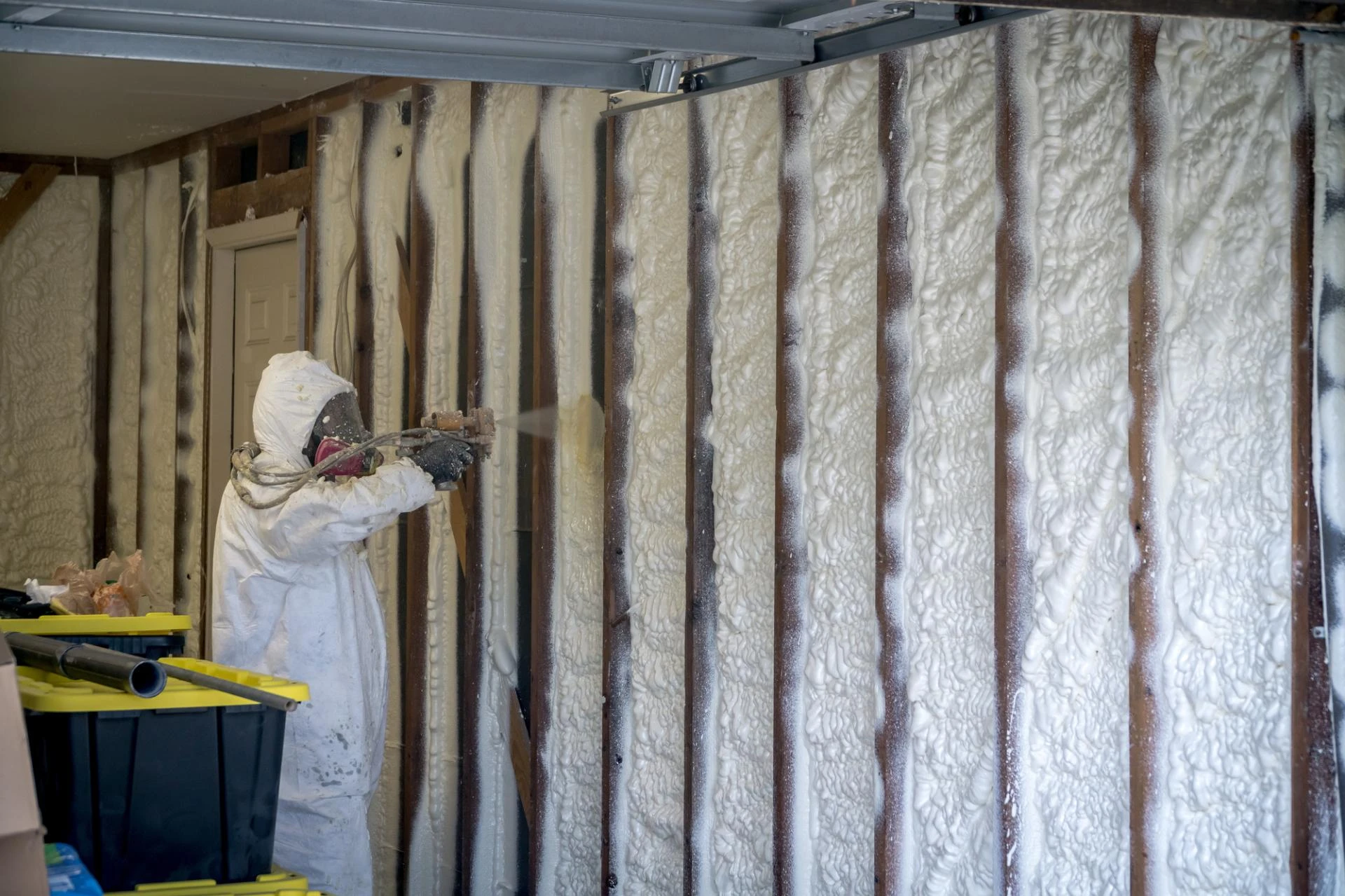

Closed-cell spray foam insulation is a primary driver in modern building science, providing high thermal resistance and structural reinforcement in a single application. This material is designed to create a dense, airtight barrier that blocks heat transfer while preventing moisture from moving through walls and ceilings. Future home designs increasingly rely on this technology to meet stricter energy codes and improve the overall lifespan of residential structures.
Architects and builders often specify Closed-cell spray foam insulation because it serves as both a vapor retarder and an air barrier. This multi-functional nature simplifies the construction process and reduces the need for extra layers of material. Expert installers with decades of experience in carpentry and insulation have observed that this material remains one of the most effective ways to ensure a building stays efficient for many years.
Structural Strength and Thermal Performance
Modern homes require materials that can withstand environmental pressures while keeping energy costs low. Closed-cell foam is unique because its rigid structure actually adds to the strength of the walls where it is applied. When the foam cures, it becomes a hard, plastic-like substance that bonds to the house's framing.
This bonding process can significantly increase a wall's racking strength. This is particularly useful in areas that experience high winds or heavy snow loads. The following benefits show how this material influences the durability and performance of a modern residence:
- The foam's rigidity helps minimize the natural shifting and settling that occur in new wood-frame buildings.
- Closed-cell foam provides a higher R-value per inch than almost any other standard insulation material used in construction today.
- The material is resistant to water wash-off, meaning it stays in place even if a minor plumbing leak occurs inside a wall cavity.
- It creates a permanent air seal that does not degrade, keeping the home protected from outdoor pollutants and dust.
Superior R Value in Tight Spaces
Future designs often feature thinner walls to maximize interior living space or accommodate modern architectural styles. Because closed-cell foam has a high density, it provides excellent insulation even when the space available for material is limited. This allows designers to reach their energy goals without needing to build unusually thick wall systems.

Maximum Efficiency in Wall Cavities
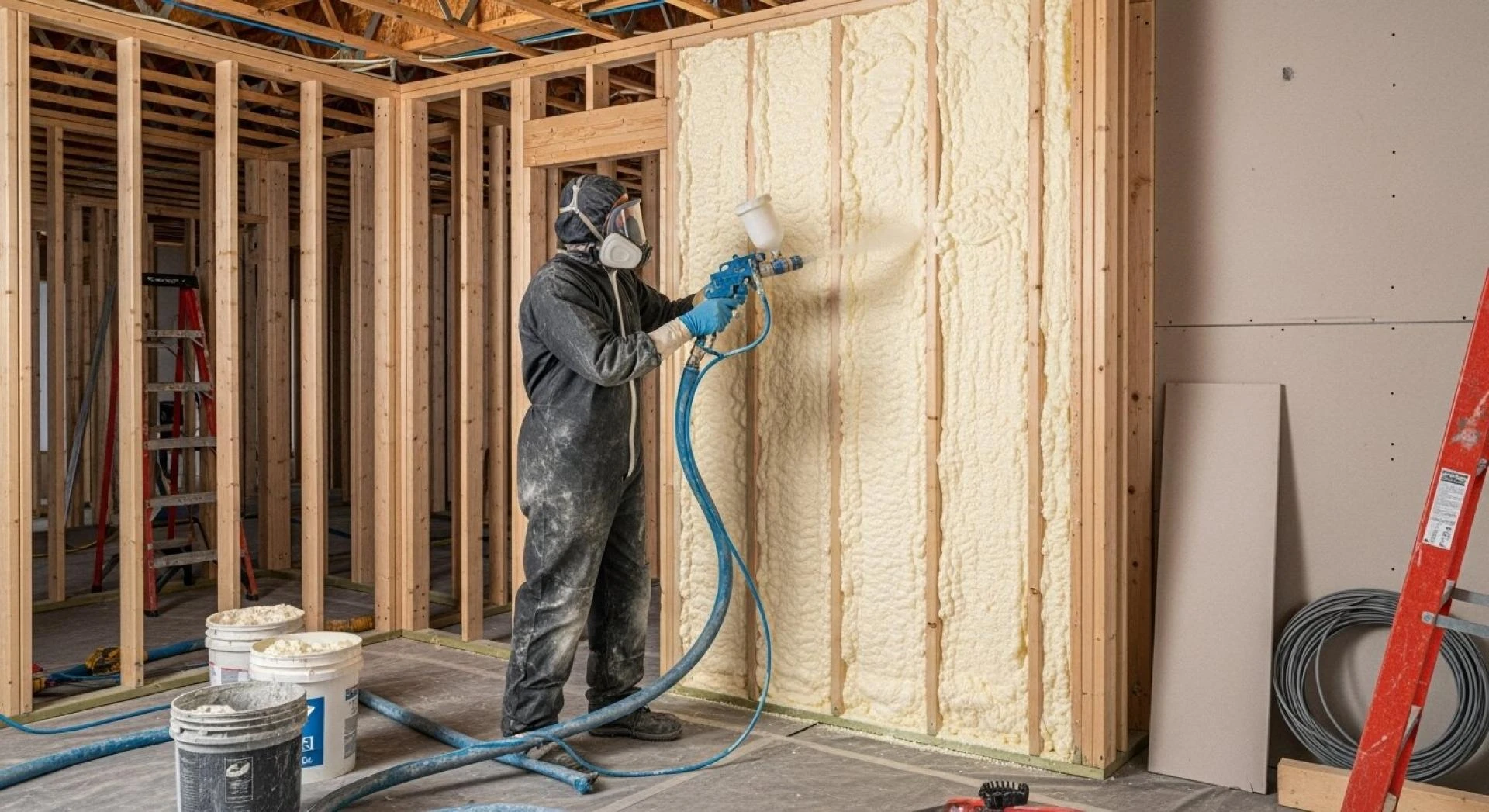
When the foam expands, it fills the entire depth of the wall stud, leaving no room for air pockets or voids. This complete coverage makes the material much more effective than traditional batts. It stops the movement of air within the wall, which is a major source of energy loss in older building designs.
Bonus Tip for Floor Joists
Applying closed-cell foam to the rim joists in a basement or crawl space is an effective way to prevent cold air from entering the first floor. This area is often a major source of drafts and heat loss in New England homes. A quick application here can lead to a noticeable difference in floor temperature during the winter months.
Evaluation of Material Density
Installers check the cured foam's density to ensure it meets the specific project requirements for the building. High-density foam is usually around two pounds per cubic foot. This density is what gives the material its impressive thermal resistance and its ability to act as a physical barrier.
Moisture Management and Vapor Barriers
One of the biggest challenges in home design is controlling where moisture goes within the building envelope. Closed-cell spray foam acts as a vapor retarder, preventing humid air from reaching cold surfaces where it could condense into liquid water. This protection is essential to avoiding long-term structural issues caused by wood rot or organic growth.
The material does not absorb water, making it a reliable choice for areas prone to high humidity or potential flooding. In the context of future home design, this moisture resistance is seen as a way to build more resilient houses. It ensures that the insulation stays dry and effective regardless of the humidity levels outside.
Preventing Condensation and Mold Growth
When warm, moist indoor air meets a cold surface in winter, condensation often forms. By creating an airtight, moisture-tight seal, closed-cell foam eliminates cold spots on the interior of the wall. This effectively removes the conditions that allow moisture to collect and cause problems.
Controlling Indoor Humidity Levels
A well-sealed house allows the mechanical ventilation system to work more accurately. When air leaks are sealed, the heating and cooling equipment can maintain a precise humidity level in the living space. This leads to a much more comfortable environment for the people living in the home.
Bonus Tip for Basement Walls
Using closed-cell foam on the interior of concrete basement walls can help prevent the damp, musty smell often associated with lower levels. The foam stops the moisture from the soil from migrating through the concrete into the room. This makes the basement feel much more like a part of the finished living space.
Comparison of Common Insulation Performance
Choosing the right insulation involves considering several factors, including thermal resistance and air-blocking performance. The following table provides a clear comparison of closed-cell foam with other industry-standard materials. These specs help property owners understand the technical advantages of high-performance foam.
| Material Type | R-Value Per Inch | Air Barrier Built-in | Moisture Resistance |
|---|---|---|---|
| Closed-Cell Spray Foam | 6.5 - 7.0 | Yes | Very High |
| Open-Cell Spray Foam | 3.5 - 3.8 | Yes | Moderate |
| Fiberglass Batts | 3.0 - 3.4 | No | Low |
| Blown-in Cellulose | 3.2 - 3.8 | No | Moderate |
Data from the building industry shows that air sealing alone can save up to 15 percent on heating and cooling costs. Closed-cell foam is one of the few materials that perform this sealing task while providing high R-values. This efficiency is why many high-end custom homes are moving toward this insulation method as a standard.

Things to Consider Before Making a Decision
Before choosing a specific insulation plan, a few factors should be reviewed to ensure the home remains healthy and efficient. The house's design and the local climate play major roles in determining which areas need the most protection. It is helpful to consult with professionals who understand both carpentry and insulation for the best results.
- Determine if the goal is to maximize interior space or to reach the highest possible R-value for the region.
- Evaluate the current ventilation system to ensure it can handle a more airtight building envelope.
- Examine local weather patterns to determine whether a Class II vapor retarder, such as closed-cell foam, is required for moisture control.
- Check the building frame for any signs of existing damage that should be repaired before the foam is applied.
Regional Guidance
In Massachusetts and surrounding states, homes are subject to a wide range of weather extremes throughout the year. The heavy rains in the spring and the deep freezes in the winter require a home to be very resilient. Closed-cell spray foam is an excellent choice for this region because it addresses both the thermal and moisture challenges of the local environment.
Property owners in this area often use this foam in their attics to prevent ice dams from forming. By keeping the roof deck at a consistent temperature, the foam stops snow from melting and refreezing at the edge of the roof. This is a practical example of how modern materials can solve traditional home maintenance problems in northern climates.
Questions People Ask About Future Home Insulation
Does closed-cell foam ever need to be replaced?
When applied correctly, this material is designed to last for the entire life of the building. It does not settle, sag, or degrade over time like many other insulation types. This makes it a one-time investment that continues to provide energy savings and structural support for decades.
Is closed-cell foam safe for the environment?
Modern foam products are much more environmentally friendly than older versions. Many now use blowing agents with very low global warming potential. Because the foam reduces the energy a home uses for heating and cooling, it helps lower the property's overall carbon footprint.
Can this foam be used in flood zones?
Yes, closed-cell foam is actually recommended by many organizations for use in areas that may experience flooding. Because it does not absorb water and is very durable, it can often be cleaned and left in place after a flood event. This is a significant advantage over materials that must be discarded if they get wet.
Will the house be too tight after installation?
A tight house is the goal for energy efficiency, but it requires proper ventilation. Most modern homes use a balanced ventilation system, such as an HRV or ERV, to bring in fresh air while keeping the heat inside. This ensures the air stays fresh without wasting any energy.
How much does the foam strengthen the house?
Studies have shown that closed-cell foam can significantly increase the strength of a wall system. It acts as a glue between the studs and the exterior sheathing. This added rigidity helps resist the pressure from high winds during seasonal storms.
Moving Toward High-Performance Homes
The shift toward closed-cell spray foam in future home design reflects a broader trend toward building more innovative, durable structures. By selecting materials that solve multiple problems at once, property owners can enjoy homes that are quieter, more comfortable, and much cheaper to run. It is a logical step for anyone looking to build or renovate for the long term.
Focusing on the building envelope is the most effective way to improve a property's value and efficiency. As building codes continue to evolve, the use of high-performance materials will likely become the standard for all residential projects. Making an informed choice now will ensure the building remains relevant and efficient for many years.
Professional Insulation Services
Securing the best results for a home project requires a team that understands both the material and the building structure. Lamothe Spray Foam Insulation offers the expertise needed to handle complex projects with precision and care. They work with property owners to find the most effective solutions for their specific needs and goals. For those interested in improving their home's efficiency or structural integrity, contact them at (508) 847-0119 or email [email protected] to learn more about their professional services.
Author: With over two decades of hands-on experience, Robert Lamothe, owner and lead installer of Lamothe Insulation, brings expertise in spray foam insulation, carpentry, and building science. Since 2002, he has earned a reputation for precision, quality craftsmanship, and delivering energy-efficient solutions that stand the test of time.
Reviewer: Ethan Taylor has 8 years of experience in spray foam insulation. He reviewed this content and suggested ways to simplify business outreach while maintaining trust and professionalism.


























Sign in to leave a comment.