
Offices are more than just a workplace where you spend most of the time dealing with desks, deadlines, and deliverables. It is a living ecosystem of collaboration, culture, and relationships that forms an important part of your life. Just like a family, your corporate colleagues play a valuable role in your daily operations, team productivity, and overall business success.
To enhance this dynamic culture, what can be more perfect than a “Gift”? Whether it's a welcome kit for a new employee, a birthday, a festive gift, or a token of appreciation for your boss or fellow colleague, employee gifts are a perfect choice to make an impact on people on a psychological level. Even the market of corporate gifting is on the rise, with expectations to surpass$919.94 billion by 2025 and more than $1.1 trillion by 2028.
Today, companies prioritize utmost employee satisfaction, knowing that the psychology behind corporate gifting becomes essential. Let's talk and try to understand how gifting at the workplace works.
1. Reciprocity: The Desire To Return The Favor
Reciprocity means that when two or more people agree to help each other for mutual benefit. The motive of employee gifts follows the principle of reciprocity, as it encourages goodwill and strengthens professional relationships. It’s just human nature that when you receive a gift, you desire to give it back at any celebration, creating a cycle of appreciation and mutual respect.
- Psychological obligations to return the gift.
- In a workplace, such gestures enhance team cooperation or define a stronger commitment to business goals.
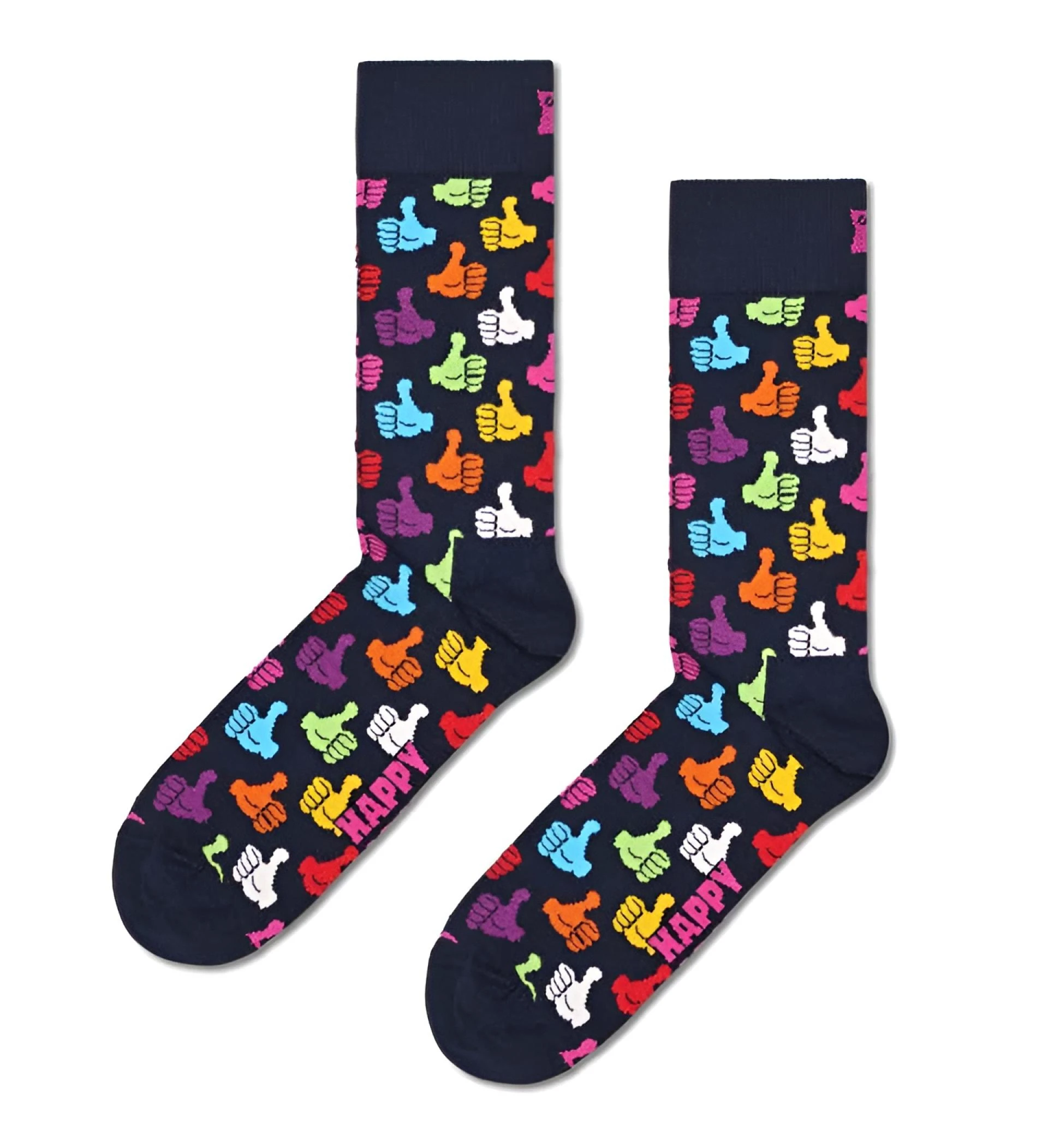
A well-thought-out gift, such as a pair of fun, colorful socks, makes employees feel recognized in a lighthearted yet meaningful way. This recognition often inspires them to give back through loyalty, initiative, and consistent performance. Even a small gesture like gifting uniquely designed socks can create a sense of belonging while building valuable social capital. This kind of recognition often motivates them to ‘give back’ in the form of loyalty, taking initiative, or dependable performance.
2. Recognition and Positive Reinforcement
Recognizing someone is a critical human need, and as pointed out by Maslow, it is a need standing just above food and safety. Gifting is positive reinforcement as it supports the policies or actions in question.
- A simple gesture, like a pair of fun socks given as a ‘thank you’ gift for staying late or handling additional work, extends the message: “You matter.” Such small but thoughtful recognition creates a positive and rewarding feedback loop, encouraging the employee to stay engaged and continue positive actions.
- Such recognition, especially from managers or colleagues, validates personal contribution and effort.
- Recognition through gifts is silent praise; they are more powerful and effective than spoken words in today’s busy world.
3. Dopamine Boost: Feel Good Hormone
When you receive a gift, it releases dopamine, a sense of satisfaction or pleasure. This becomes even more special when you receive that from an unexpected person, like an employee at the office.
- Dopamine enhances feelings of happiness, which in turn reduces stress, lifts mood, and even enhances focus.
- When employees feel good, it means a good office environment, more creativity, and stronger collaboration.
Gifts are not just a social gesture; they serve as a catalyst to improve work culture. Even something as simple as gifting a pair of fun, patterned socks can make employees smile and feel valued. Just like a thank-you note, quirky socks carry a personal touch that makes people happy, turning an ordinary moment into a memorable one.
4. Creating Lasting Impression and Loyalty
Gifs are lasting and memorable, especially when you give them on special occasions like a new joining, a work anniversary, or more. It's not just about a gift, it's a respectful gesture to show harmony among the employees.
- A welcoming kit like a set of socks with the company's logo is thoughtfully prepared and presented on the very first day of work creates an enduring impression and shows that the company truly cares about its employees.
- Providing farewell gifts enhances the positive nature of the exit experience and has the potential to transform former employees into brand ambassadors.
Over time, the effects of these gifts include:
- Greater employee retention,
- Improved employer brand perception,
- Positive reviews: employees often share these lighthearted gestures, like receiving colorful socks, which highlight the company’s caring environment.
An employee’s loyalty is shifting from being only about financial compensation to emotional bonds, and gifts can help forge these bonds.
5. Cultural Reinforcement and Company Values
Gifts can also highlight elements of organizational culture. It’s a caring yet effective way to attract people towards investing in eco-friendly materials and also shows the company’s dedication to the environment.
- Eco-friendly gifts fulfill an organization’s commitment to sustainability. For example, socks made from organic cotton or recycled materials
- Wellness packages showcase a commitment to employee health, cozy compression or comfort socks can be part of these bundles to encourage relaxation and well-being.
- Innovative tech gifts bolster a culture of innovation.
Every gift subtly communicates about the morals of your company. A wisely chosen gift for employees not only serves the purpose but also reinforces values.
Conclusion
Gifting at work doesn't mean you need an expensive gift to earn stars; even a pair of fun,colorful socks can spark joy and appreciation. It's all about understanding the human psyche because gifts for employees act as a catalyst to build relationships in the workplace. When decided thoughtfully, gifting can become an important leadership tool that improves work culture, spreads positivity, and supports employee retention.
Therefore, companies and employees must understand the psychology behind gifting because it is not always about systems and infrastructure; it's about people.

































Sign in to leave a comment.