
Uterine fibroids are among the most common reproductive health conditions affecting women during adulthood. These noncancerous growths develop within or around the uterus and can vary greatly in size, number, and location. While some women experience only mild symptoms, others struggle with ongoing discomfort that affects physical wellness, emotional health, and everyday routines.
One of the most common complications linked to fibroids is heavy menstrual bleeding. When bleeding becomes excessive or prolonged, it may contribute to anemia, a condition that occurs when the body lacks enough healthy red blood cells to carry oxygen properly throughout the body. This connection between fibroids and anemia may significantly impact energy levels, daily comfort, and long-term wellness.
Many women researching reproductive health concerns often search for information about Do Fibroids Cause Anemia. Understanding how fibroids may contribute to anemia can help women recognize symptoms earlier and seek appropriate medical care before complications continue worsening.
Fibroids can form in different areas of the uterus. Some remain small and symptom-free, while others grow large enough to cause significant menstrual bleeding and pelvic discomfort. The size and location of fibroids often influence the severity of symptoms experienced by each patient.
Heavy menstrual bleeding remains one of the most common fibroid-related symptoms. Some women experience prolonged periods lasting several days longer than usual, while others may pass large blood clots or need to change sanitary products frequently throughout the day.
When excessive blood loss continues over time, the body may lose iron faster than it can replace it. Iron is necessary for producing hemoglobin, the protein in red blood cells responsible for carrying oxygen throughout the body. As iron levels decrease, anemia may develop.
Anemia caused by fibroid-related bleeding may lead to several physical symptoms. Many women experience fatigue, weakness, dizziness, headaches, shortness of breath, or difficulty concentrating. Some patients may also notice pale skin, rapid heartbeat, or low energy levels during normal activities.
Because these symptoms often develop gradually, many women do not immediately realize that anemia may be connected to fibroid-related bleeding. Some assume they are simply tired because of work stress, family responsibilities, busy schedules, or aging and delay seeking medical attention.
Unfortunately, untreated anemia may continue worsening if heavy bleeding persists. Chronic fatigue and weakness may interfere with work responsibilities, exercise routines, travel plans, sleep quality, and overall daily comfort.
Pelvic pressure is another common symptom associated with fibroids. Larger fibroids may place pressure on nearby organs such as the bladder or bowel, leading to urinary urgency, constipation, bloating, or abdominal discomfort.
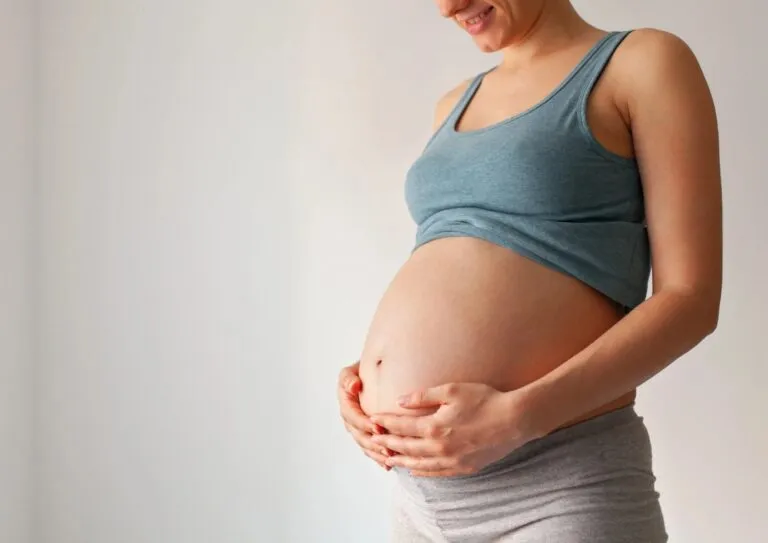
Some women also notice visible abdominal swelling caused by growing fibroids. Others experience lower back discomfort or pain during physical activity because of increasing pelvic pressure.
Because fibroid symptoms vary greatly from person to person, individualized medical evaluation remains extremely important. Some women may experience only mild bleeding, while others struggle with severe blood loss that contributes to significant anemia and ongoing exhaustion.
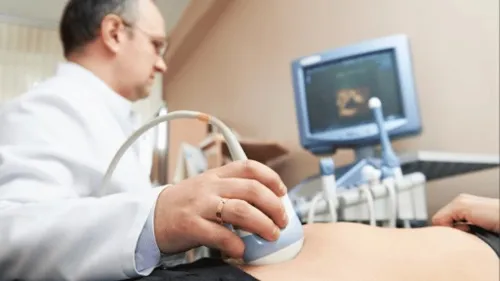
Doctors generally use imaging studies such as ultrasounds or MRI scans to evaluate fibroid size, number, and location. Blood tests may also help determine whether anemia is present and assess iron levels within the body.
Early diagnosis may help women better manage both fibroids and anemia before symptoms continue worsening. Identifying the underlying cause of heavy bleeding can provide access to treatment approaches focused on long-term symptom relief and improved wellness.
Many women delay seeking care because they assume heavy periods are normal or simply part of aging. Others may feel embarrassed discussing menstrual symptoms or worry about possible surgical procedures. However, prolonged heavy bleeding should never be ignored.
The emotional effects of fibroids and anemia may also become significant over time. Chronic fatigue, weakness, bloating, and pelvic discomfort may affect confidence, emotional wellness, and social comfort. Some women avoid vacations, exercise, or public activities because of concerns about managing symptoms away from home.
Advances in minimally invasive medicine are helping more women explore fibroid treatment options focused on symptom relief without major surgery. Modern fibroid care increasingly emphasizes shorter recovery periods, reduced physical strain, and improved patient comfort.
Before recommending treatment, physicians typically perform detailed evaluations based on symptom severity, fibroid characteristics, reproductive goals, and long-term healthcare needs.
Every woman’s experience with fibroids and anemia is unique. Some patients may have one large fibroid causing prolonged bleeding, while others develop multiple fibroids contributing to ongoing menstrual complications and fatigue. Because symptoms and treatment priorities vary greatly, personalized care remains essential.
Education about reproductive health conditions continues becoming increasingly important. Many women remain unaware that excessive menstrual bleeding and chronic fatigue may be linked to fibroids and anemia rather than everyday stress or lifestyle factors.
At USA Fibroid Centers, patients can receive evaluations focused specifically on minimally invasive fibroid treatment. Specialized care helps determine the most appropriate treatment plan based on symptom severity, fibroid size, and overall healthcare goals.
Outpatient treatment options may also improve convenience for many women. Recovering comfortably at home instead of spending several days in the hospital may reduce emotional stress and improve the overall treatment experience.
Women experiencing heavy periods, fatigue, pelvic pressure, abdominal swelling, dizziness, or urinary symptoms should not ignore these warning signs. Early medical evaluation may help identify fibroids before symptoms continue worsening and may provide access to a broader range of treatment options.
Healthy lifestyle habits may also support overall wellness during fibroid and anemia management. Balanced nutrition, iron-rich foods, hydration, stress management, regular exercise, and routine healthcare visits may contribute to improved reproductive health awareness. Although lifestyle changes alone cannot eliminate fibroids, they may complement professional treatment and support long-term well-being.
Patients preparing for consultations should feel comfortable discussing symptoms, treatment expectations, recovery timelines, and long-term symptom management with specialists. Open communication can help women feel more informed and confident throughout the treatment process.
As medical technology continues advancing, fibroid care is becoming increasingly focused on minimally invasive treatment, patient comfort, and improved quality of life. More women are discovering that effective symptom relief may be possible without automatically requiring major surgery.
The most appropriate treatment plan depends on several factors, including fibroid size, symptom severity, reproductive goals, and overall health. Because every patient’s condition is unique, individualized evaluation remains extremely important.
Women experiencing fibroid-related anemia should know that ongoing fatigue and heavy bleeding are not symptoms they simply have to live with. Seeking evaluation from a specialist may help patients better understand their condition, reduce symptoms, and move toward improved long-term wellness.




























Sign in to leave a comment.