
Cities around the world are changing faster than ever. As populations grow, people expect cities to be safer, cleaner, and easier to live in. They want smooth transportation, reliable services, and quick access to information. Smart city technology plays a key role in making this possible. It uses digital tools, data systems, and connected devices to improve how cities operate and serve their residents.
At its core, smart city technology helps manage traffic, energy, water, safety, and communication in a more efficient way. It does not replace people. Instead, it supports city planners, workers, and citizens by making everyday systems smarter and more responsive. At Tom Robots, we explore how intelligent automation and robotics help shape the cities of tomorrow, creating urban spaces that truly work for people.
Making Transportation Smarter and Easier
Traffic congestion is one of the biggest challenges modern cities face. Long delays waste time, increase fuel use, and raise stress levels for commuters. Smart city technology offers practical solutions to these everyday problems.
Using sensors, cameras, and real-time data, cities can manage traffic more efficiently. Traffic signals can adjust automatically based on vehicle flow instead of running on fixed timers. This reduces waiting time at intersections and keeps roads moving smoothly. Public transport systems also benefit. Smart apps show real-time arrival times for buses and trains, helping people plan their journeys better.
Navigation tools powered by live traffic data suggest faster routes and avoid blocked roads. These systems reduce fuel consumption and cut down air pollution. At Tom Robots, we see intelligent transport systems as a foundation for smarter, more connected urban mobility.
Enhancing Public Safety with Smart Tools
Feeling safe is essential for a good quality of life. Smart city technology strengthens public safety by helping cities respond faster and more effectively to emergencies.
Smart cameras and sensors monitor public areas and detect unusual activity. These systems are not designed to invade privacy, but to identify risks such as accidents, fires, or overcrowding. When something goes wrong, alerts are sent instantly to emergency services, allowing quick action.
Smart lighting also improves safety. Streetlights can brighten when movement is detected, making streets safer at night while saving energy during low activity hours. Emergency response teams can use data to choose faster routes and reach people in need without delay. Through technology-driven solutions, cities become safer places to live and work.
Cleaner Cities Through Intelligent Environmental Monitoring
Urban pollution and waste management are growing concerns. Smart city technology helps cities protect the environment by tracking problems early and responding quickly.
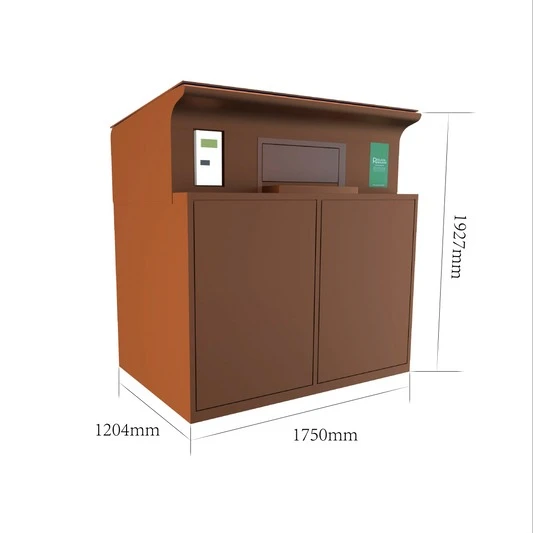
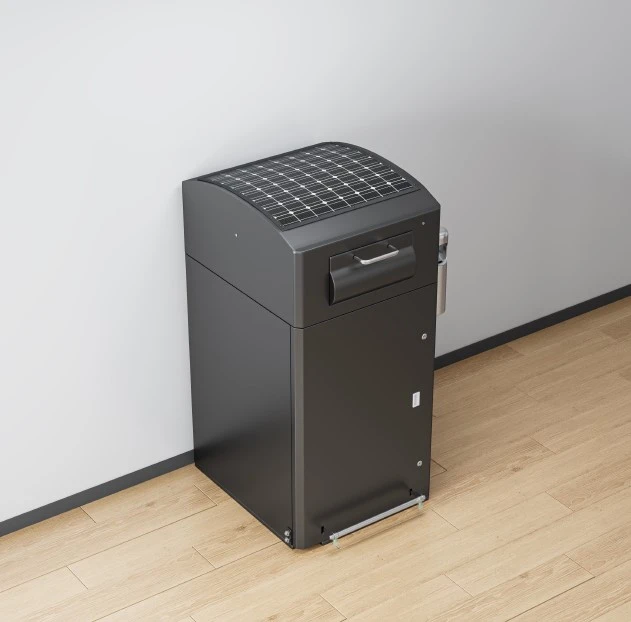
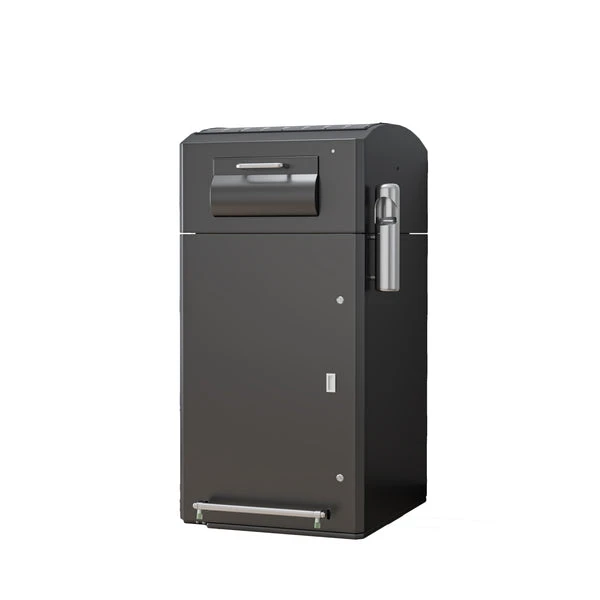
Air quality sensors measure pollution levels and share updates with city officials and residents. When air quality drops, warnings can be issued so people can take precautions. Smart waste bins notify collection teams when they are full, reducing overflow and keeping streets clean.
Water systems also benefit from smart monitoring. Sensors detect leaks in pipelines, prevent water loss, and ensure safe drinking water. These systems save resources while protecting public health. By combining data and automation, cities can become cleaner, greener, and more sustainable.
Better Healthcare Services Through Smart Systems
Healthcare is another area where smart city technology makes a real difference. When medical care is needed, speed and accuracy matter.
Smart health devices such as wearables can track heart rate, sleep patterns, and physical activity. With user permission, this data helps doctors detect health issues early and provide better care. Hospitals can manage patient flow more efficiently using digital systems, reducing wait times and improving service.
Cities can also monitor public health trends to prevent disease outbreaks. Early warnings allow health departments to respond quickly and protect communities.
How Smart City Technology Supports Businesses and the Economy
Smart cities do not only improve daily life for residents. They also create better conditions for businesses. Reliable infrastructure attracts companies, investors, and skilled workers.
Digital payment systems make transactions faster and more secure. Smart data helps businesses understand customer needs and improve services. Efficient transport and energy systems reduce operational costs and delays.
When cities operate smoothly, businesses grow with fewer disruptions. This leads to job creation, innovation, and economic stability. Smart city technology builds an environment where both people and businesses can succeed.
Challenges and Smart Strategies for City Development
While the benefits are clear, smart city development also comes with challenges. Data privacy is a major concern. Cities must protect personal information and be transparent about how data is collected and used. Strong security systems and clear policies help build public trust. Cost is another challenge. Smart infrastructure requires investment, especially at the start. However, long-term savings from efficiency and reduced waste often outweigh initial expenses. Many cities begin with small projects and expand gradually.
Careful planning, public awareness, and ethical use of technology are key to successful smart city growth.
Conclusion: Building a Better Future with Smart City Technology
Smart city technology is transforming how cities function and how people experience urban life. From transportation and safety to healthcare and environmental care, intelligent systems help cities become more efficient, responsive, and livable.
At its heart, smart city development is about people. It is about creating cities where daily life feels easier, safer, and more connected. When technology is used thoughtfully, it supports communities, strengthens businesses, and protects the environment.
At Tom Robots, we are committed to exploring and advancing the technologies that power smart cities. As digital innovation continues to evolve, cities that embrace smart solutions today will lead the way toward a brighter, more sustainable future for everyone.

























Sign in to leave a comment.