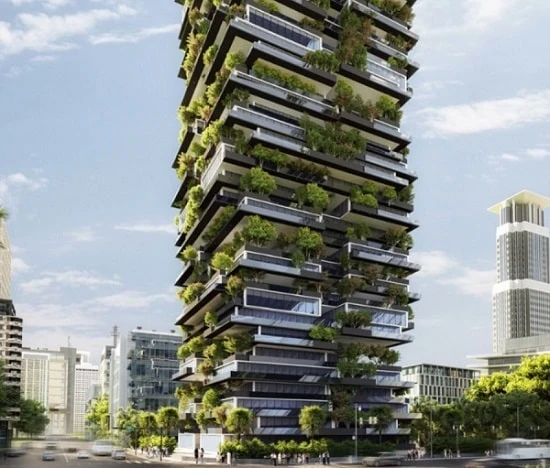

Architecture is more than just a means of constructing buildings. It is an effective tool with the capacity to affect how people behave and how our environment is shaped. The built environment has a significant impact on our mental health.
In this blog post, we will explore the role of architecture in mental health and discuss the importance of designing spaces that prioritize mental health.
How Architecture Influences Human Behavior
Architecture has a profound influence on how people behave, so architects have to create environments that support mental health. We can design areas that foster well-being and ward off mental health problems by including natural light, greenery, calming colors, textures, privacy, and comfort.
The built environment has the potential to significantly influence our behavior, with effects ranging from our mood and productivity to our social interactions and physical health. Certain architectural features, such as the use of natural light, access to green spaces, and the use of calming colors and textures, according to research, can have a positive impact on mental health. Let's examine a couple of instances closely:
Natural Light
Natural light is essential for both our physical and emotional health. If we are exposed to sunlight, we can feel happier, sleep better, and have stronger immune systems. When we have access to natural light, we can be more productive, more creative, and cognitively more effective.
In order to maximize sunshine exposure, windows, skylights, and other openings can be strategically placed to incorporate natural light into architectural designs. By utilizing reflective surfaces and bright-colored materials, they can also reflect natural light throughout the area.
Green Spaces
There is evidence that being in green spaces like parks and gardens is good for one's mental health. Your mood, cognitive functioning, and levels of stress and anxiety can all be improved by nature.
Including indoor gardens and plant life or designing outdoor spaces are two ways that architects might include green spaces in their designs. Wood and stone are examples of natural materials that can aid in fostering a sense of connection to the natural world
Calming Colors and Textures
Colors and textures that are soothing can help to create a sense of calm and relaxation. Natural textures and soft, muted colors, such as those found in wood and stone, can help to create a calming environment that reduces stress and anxiety.
Architects can use color and texture to create a soothing atmosphere by incorporating natural materials such as wood and stone and using soft, muted colors throughout the space. Lighting can also be used to improve the overall mood of the space by eliciting feelings of warmth and comfort.
Architecture for Mental Health
It is critical to design spaces that prioritize mental health to promote well-being and prevent mental health problems. There is still more to be done in terms of incorporating mental health considerations into the design, even if the role of architecture in mental health is becoming more commonly acknowledged.
Anxiety, depression, and stress are among the mental health issues that are becoming more common in our culture, and how severe or how mild they are can be greatly influenced by the built environment. Thus, it is essential that architects prioritize mental wellness in their designs. Some of the most crucial elements that architects should take into account while creating places for mental health are listed below.
Accessibility and Inclusivity
Accessible and inclusive spaces are critical for promoting mental health. Buildings should be designed to accommodate a wide range of users, including those with disabilities, mental health conditions, and sensory impairments.
Architects should think about how their designs will affect people of different abilities, and they should take steps to make spaces easy to navigate and use. This may include the use of ramps, elevators, and tactile signage.
Privacy and Comfort
Mental health requires privacy and comfort. Spaces should be designed to provide a sense of security and privacy, promoting calm and lowering stress and anxiety.
Architects can create private areas for reflection and relaxation, such as quiet rooms or meditation spaces, to prioritize privacy. They can also use sound-absorbing materials to create a sense of peace.
Community and Connection
The importance of community and connection in promoting mental health and reducing social isolation cannot be overstated. Spaces should be created to promote social interaction and a sense of community.
Architects can create communal areas, such as gathering spaces and outdoor areas, to promote social interaction. They can also incorporate materials and design elements that promote social interaction, such as shared seating areas and open floor plans.
Architecture has the power to influence human behavior and shape our environment. Designing spaces that prioritize mental health is essential for promoting well-being and preventing mental health issues. Architects have a responsibility to create spaces that promote mental health by incorporating elements such as natural light, green spaces, calming colors and textures, accessibility and inclusivity, privacy and comfort, and community and connection.
By prioritizing mental health in their designs, architects can create spaces that promote well-being, reduce stress and anxiety, and encourage social interaction and community. In turn, this can lead to improved productivity, creativity, and overall quality of life.
Final Thoughts
In the end, architecture plays a nuanced and multidimensional influence on mental health. Architects may build environments that foster well-being, lessen stress and anxiety, and increase social interaction and community by giving mental health a priority in their designs.
Architects can endeavor to create communities that value mental health in addition to creating specific buildings. A sense of community and the encouragement of social interaction, both of which are crucial for mental health, can be fostered by the physical environment. By including features like shared green spaces, public gathering spots, and public art installations that foster social interaction and community, architects may create communities that value mental health.
We at Prasoon Design Studio prioritize creating spaces that promote well-being and help prevent mental health issues.

























Sign in to leave a comment.