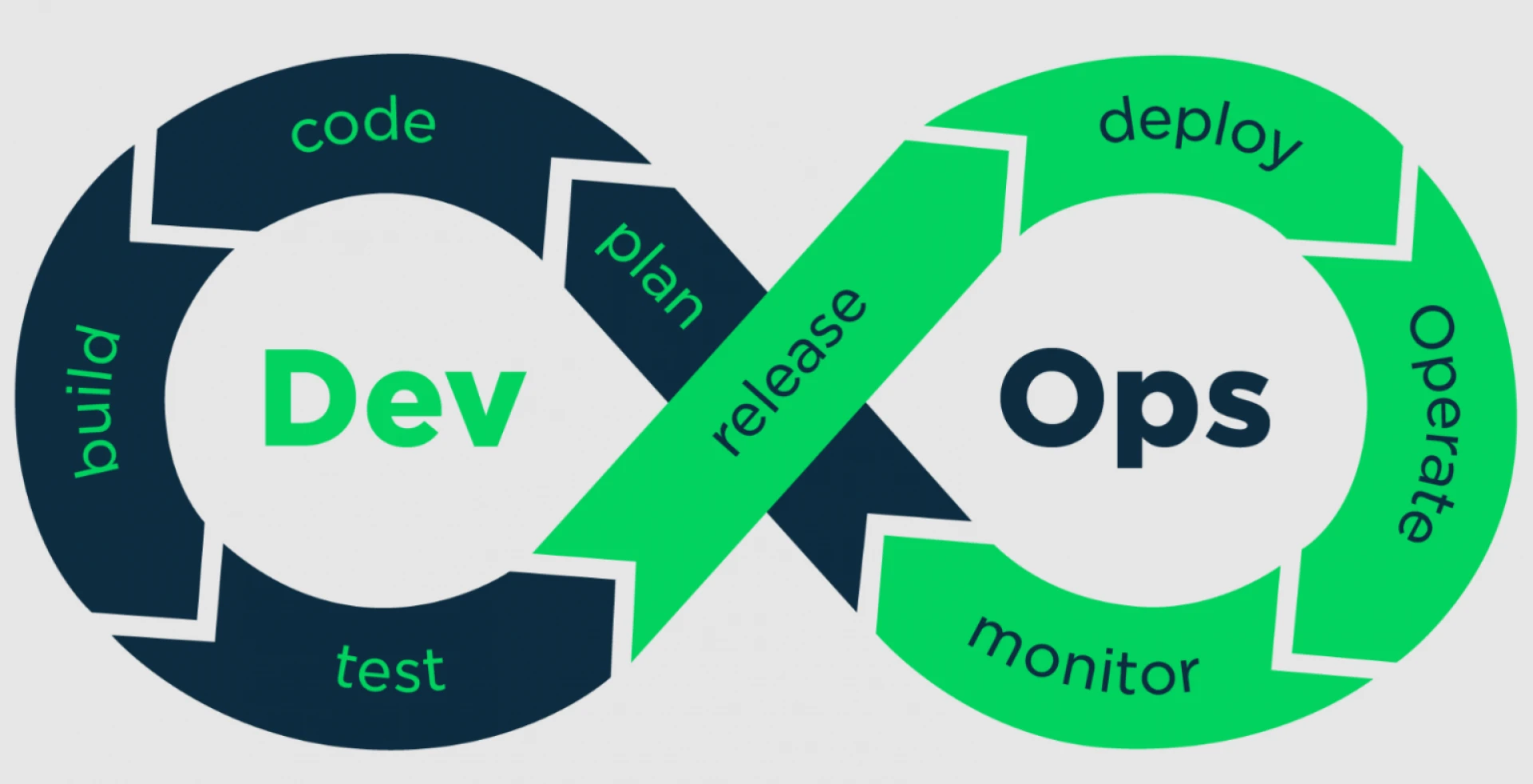

In the fast-paced world of software development, DevOps automation has emerged as a critical driver of efficiency and innovation. Central to DevOps is the implementation of Continuous Integration and Continuous Deployment (CI/CD) pipelines, which streamline the delivery process while improving collaboration between development and operations teams. Let’s explore the transformative role of CI/CD in modern DevOps strategies and why it’s essential for businesses striving for agility and reliability.
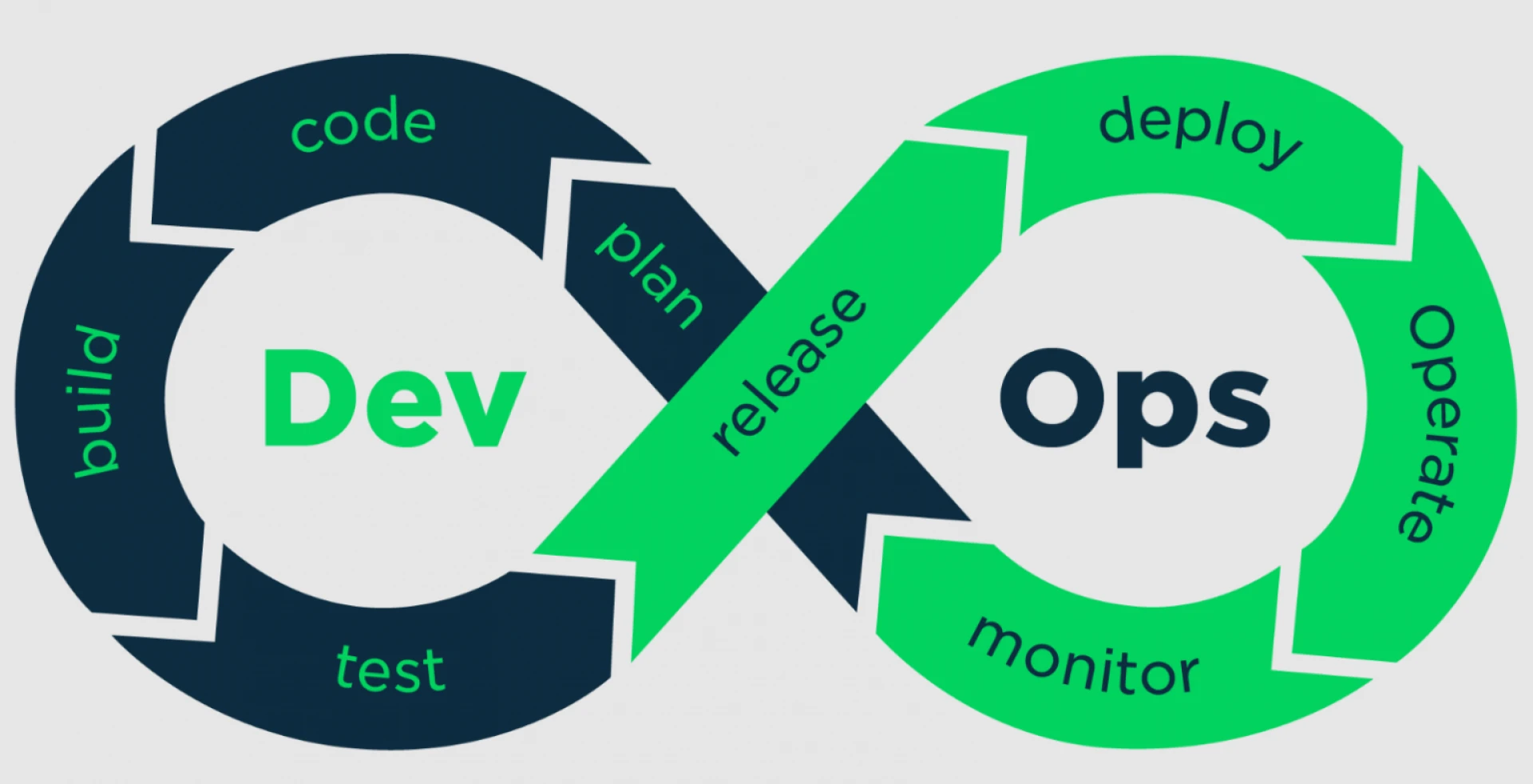
What is CI/CD and Why Does It Matter?
CI/CD is a method of automating the integration of code changes and their deployment into production. The two key components include:
- Continuous Integration (CI): Developers frequently integrate code changes into a shared repository, triggering automated testing to detect errors early.
- Continuous Deployment (CD): Once code passes all tests, it’s automatically released to production, ensuring rapid delivery without manual intervention.
CI/CD pipelines accelerate software delivery and promote a culture of continuous improvement, enabling teams to adapt quickly to market demands.
Key Benefits of CI/CD in DevOps
Faster Time-to-Market
By automating repetitive tasks like testing and deployment, CI/CD eliminates bottlenecks in the development lifecycle. Businesses can release features and updates faster, gaining a competitive edge in the market.
Enhanced Collaboration
CI/CD fosters a culture of transparency and accountability. Development, operations, and QA teams work together seamlessly, reducing miscommunications and improving overall productivity.
Improved Code Quality
Automated testing within CI/CD pipelines ensures that only high-quality code makes it to production. Developers receive instant feedback on errors, enabling them to address issues promptly.
Reduced Downtime
Frequent, incremental updates mean fewer disruptions and faster recovery times. CI/CD pipelines facilitate rolling updates and blue-green deployments, ensuring minimal impact on end users.
Building an Effective CI/CD Pipeline
Step 1: Version Control Systems (VCS)
Start with a robust VCS like Git to manage code repositories. Version control ensures that all team members work on the latest codebase, minimizing conflicts during integration.
Step 2: Automated Testing
Integrate unit, integration, and end-to-end testing into your pipeline. Tools like Selenium, JUnit, and Cypress can validate code changes at various stages.
Step 3: Continuous Integration Tools
Use CI tools like Jenkins, GitLab CI/CD, or CircleCI to automate the build and testing processes. These tools detect new code commits and initiate the testing phase automatically.
Step 4: Artifact Management
Store built artifacts (e.g., container images or application packages) in a secure repository like JFrog Artifactory or Docker Hub. This ensures consistency across environments.
Step 5: Continuous Deployment Tools
Employ CD tools like Spinnaker or AWS Code Pipeline to automate the release process. These tools deploy code updates seamlessly to production or staging environments.
Challenges in Implementing CI/CD
Cultural Barriers
Resistance to change is common. Organizations must foster a DevOps culture that embraces collaboration and automation.
Complex Environments
Integrating CI/CD pipelines into legacy systems or hybrid infrastructures can be challenging. Enterprises must carefully plan their transition.
Tool Overload
With abundant CI/CD tools, choosing the right ones can be overwhelming. Focus on tools that align with your team’s needs and technical stack.
CI/CD and the Future of DevOps
Integrating CI/CD with emerging technologies like Artificial Intelligence (AI) and Machine Learning (ML) is set to redefine the DevOps landscape. AI-driven analytics can predict deployment outcomes, while ML algorithms optimize pipelines for speed and reliability.
By adopting CI/CD as a core component of their DevOps strategies, organizations can:
- Accelerate innovation cycles.
- Enhance operational resilience.
- Deliver exceptional user experiences.
Conclusion: The Intersection of CI/CD and DevOps Security
CI/CD is a cornerstone of modern DevOps strategies, empowering organizations to innovate faster and adapt to changing demands. However, as the pace of delivery increases, so does the need to integrate robust DevOps security practices.
For enterprises looking to implement secure and scalable CI/CD pipelines, TronsIT Solutions offers expertise in combining automation, efficiency, and security to meet business objectives. With their guidance, organizations can achieve operational excellence without compromising on safety.
By effectively leveraging CI/CD, businesses can not only meet today’s demands but also position themselves for long-term success in the ever-evolving software landscape.




























Sign in to leave a comment.