

Indian cuisine is a rich tapestry of regional flavors, cooking techniques, and traditional ingredients. Among the variety of oils used across the country, cotton seed oil has quietly carved out its place in Indian kitchens, especially in the western and southern parts of India. Known for its neutral flavor and high smoke point, cotton seed oil is becoming an increasingly popular choice for home cooks and chefs alike.
What Is Cotton Seed Oil?
Cotton seed oil is extracted from the seeds of the cotton plant. While cotton is primarily known for textile production, its seeds are a valuable source of edible oil. The oil undergoes refining to remove toxins and impurities, making it suitable and safe for cooking. It’s light in texture, pale golden in color, and has a mild flavor that doesn’t overpower spices and seasonings — a perfect match for Indian recipes.
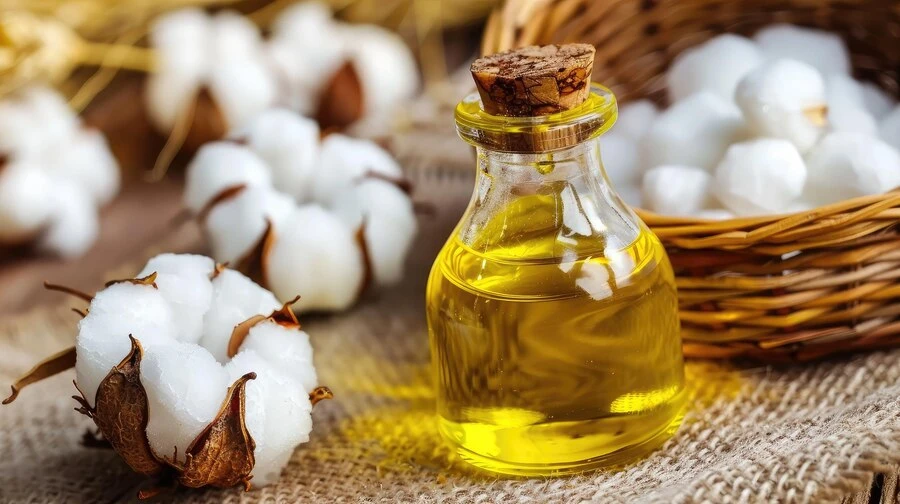
1. Perfect for Deep Frying Indian Snacks
One of the defining features of Indian cuisine is its wide range of deep-fried snacks — from pakoras and samosas to bhajiyas and puris. Cotton seed oil's high smoke point (around 420°F or 215°C) makes it ideal for deep frying. It heats up quickly, remains stable at high temperatures, and doesn't impart any unusual taste to the food.
2. Neutral Flavor Enhances Traditional Spices
Indian dishes rely heavily on spices — turmeric, cumin, coriander, garam masala, and more. A strong-smelling or overly flavorful oil can distort the intended taste of a dish. Cotton seed oil’s neutral flavor profile ensures the authentic spice blends shine through without interference, making it suitable for everything from curries to tadkas (tempering).
3. Widely Used in Gujarati and Maharashtrian Cuisine
In states like Gujarat and Maharashtra, cotton seed oil is a staple cooking medium. It is commonly used for everyday cooking, including vegetable preparations, rotis, theplas, and dals. Its availability, affordability, and taste neutrality have made it a household favorite for generations.
4. Health Benefits That Complement Modern Diets
Cotton seed oil contains a good balance of polyunsaturated and monounsaturated fats, making it a heart-friendly option when used in moderation. It’s also rich in vitamin E, an antioxidant that supports skin and immune health. With growing awareness around healthy cooking oils, cotton seed oil is regaining attention for its nutritional benefits.
5. Affordable and Widely Available
Compared to premium oils like olive or avocado oil, cotton seed oil is budget-friendly and accessible. This makes it a practical choice for daily cooking without compromising on quality. It is also available in bulk, making it a preferred option for commercial kitchens and food stalls.
Final Thoughts
Cotton seed oil plays a quiet yet essential role in Indian cuisine. Its versatility, high smoke point, and neutral taste make it ideal for a range of dishes — from rich curries and stir-fries to crispy snacks and traditional sweets. As Indian households continue to seek healthier and more reliable cooking oils, cotton seed oil remains a dependable ally in the kitchen.




























Sign in to leave a comment.