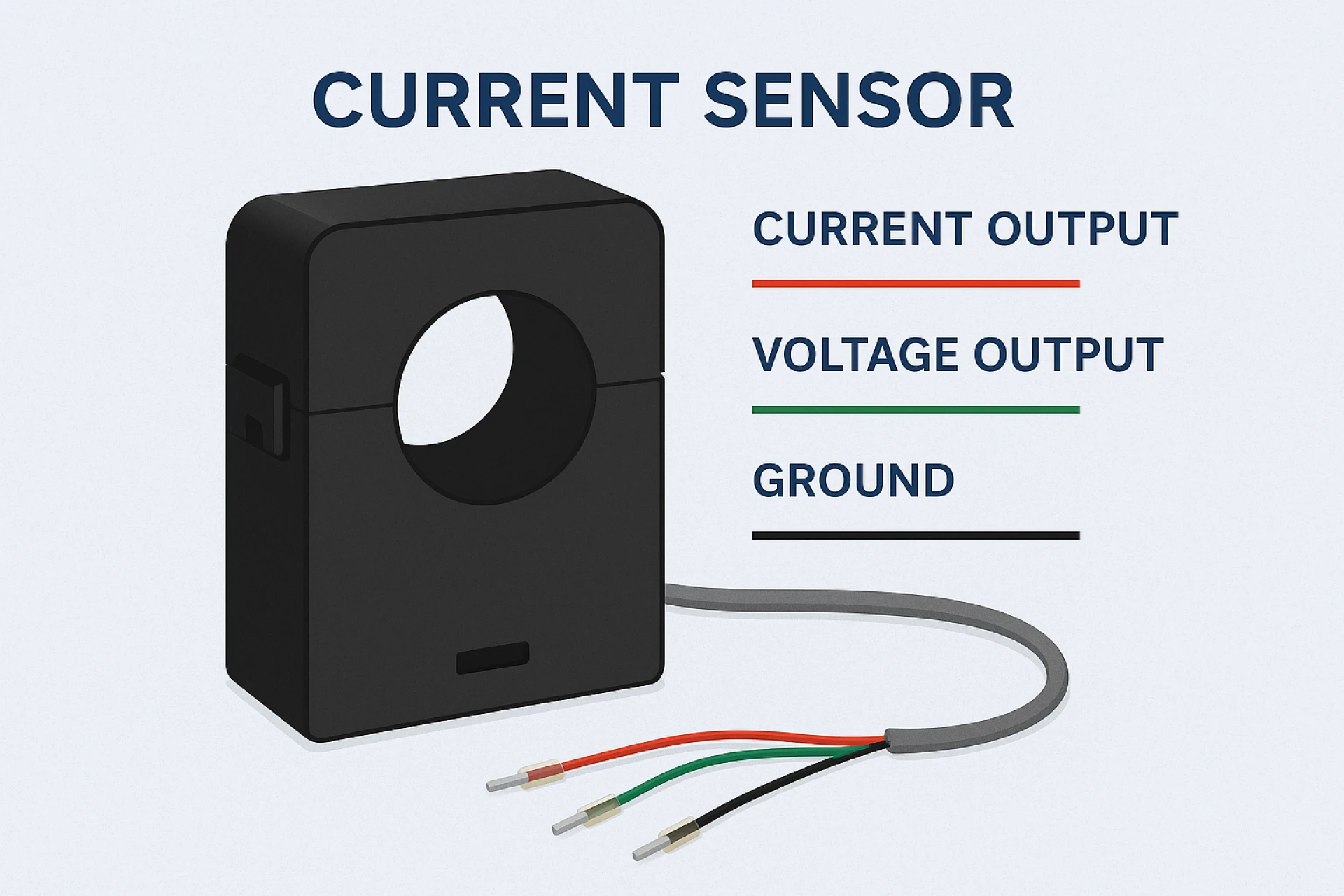

Introduction: Monitoring Power in the Digital Era
In every electrical system, from small appliances to large industrial machinery, precise measurement of electricity is critical. Businesses today rely heavily on current and voltage sensors to maintain efficiency, ensure safety, and enhance performance. These devices, especially integrated current sensors, have transformed the way industries monitor and manage energy.
Understanding Current and Voltage Sensors
What Are Current and Voltage Sensors?
At the core, current and voltage sensors are devices that detect, measure, and report the flow of electrical energy in a system. They help engineers monitor usage, identify anomalies, and protect sensitive components from overload.
- Current Sensors measure the flow of electrical current in a circuit.
- Voltage Sensors monitor the potential difference between two points in a system.
Together, these sensors provide a complete picture of electrical behavior.
Key Functions
- Energy Monitoring – Tracking power consumption in real-time.
- Fault Detection – Identifying short circuits or overloads.
- System Protection – Preventing damage by cutting off supply in unsafe conditions.
- Data Analysis – Feeding valuable information into smart monitoring systems.
Integrated Current Sensors: The Next Step in Innovation
Traditional sensors often worked as separate components. However, integrated current sensors combine sensing, signal conditioning, and sometimes digital output into a single compact package.
Advantages of Integrated Current Sensors
- Compact Design – Saves space in modern electronics.
- High Accuracy – Delivers precise readings, critical for sensitive devices.
- Easy Integration – Simplifies circuit design by reducing external components.
- Cost Efficiency – Cuts down on production and maintenance costs.
From consumer electronics to automotive systems, integrated current sensors are redefining how engineers approach energy measurement.
Why Industries Depend on Current and Voltage Sensors
1. Power Quality Monitoring
Industries cannot afford fluctuations in electricity. Current and voltage sensors track quality and help stabilize supply for continuous operations.
2. Protecting Sensitive Equipment
Equipment like servers, medical devices, and industrial controllers can fail under even minor power variations. Accurate monitoring ensures safety and longevity.
3. Supporting Renewable Energy
Solar and wind systems rely on integrated current sensors to balance variable energy flow and feed power into the grid efficiently.
4. Industrial Automation
Robotics and automated production lines require precision. Sensors deliver real-time feedback that helps machines adjust dynamically.
Applications Across Different Sectors
Energy and Utilities
Utility companies use current and voltage sensors to monitor grid performance, detect faults, and ensure consistent supply.
Automotive Industry
Electric vehicles depend on integrated current sensors to monitor battery systems, motor performance, and charging cycles.
Healthcare
From MRI machines to life-support equipment, hospitals rely on sensors to guarantee stable power.
Data Centers
High-density server environments cannot risk downtime. Sensors keep track of every watt to optimize performance and efficiency.
Smart Homes
Home automation systems use current and voltage sensors to improve energy savings and enhance safety in consumer electronics.
Future of Current and Voltage Sensors
Smart Sensor Technology
Sensors are becoming “smart,” with built-in connectivity to transmit data via IoT platforms.
AI and Predictive Maintenance
Artificial intelligence now leverages sensor data to predict system failures before they happen.
Green Energy Integration
Integrated current sensors are essential in solar inverters, wind turbines, and battery storage systems to ensure stable, eco-friendly power generation.
How to Choose the Right Sensor
- Application Needs – High-power industries may require rugged sensors, while compact electronics need smaller, integrated current sensors.
- Accuracy and Range – Choose based on the voltage and current levels your system handles.
- Scalability – Ensure the sensor can integrate with future upgrades.
- Signal Output Type – Analog, digital, or integrated solutions, depending on the system.
Conclusion
As industries grow more dependent on reliable electricity, current and voltage sensors have become the backbone of power management. They ensure safety, improve efficiency, and allow better integration with smart technologies. Meanwhile, integrated current sensors are shaping the future by delivering accuracy, compactness, and simplified design in one package.
For companies striving toward efficiency, sustainability, and reliability, adopting advanced sensor technologies is no longer optional—it is a necessity for long-term success.























Sign in to leave a comment.