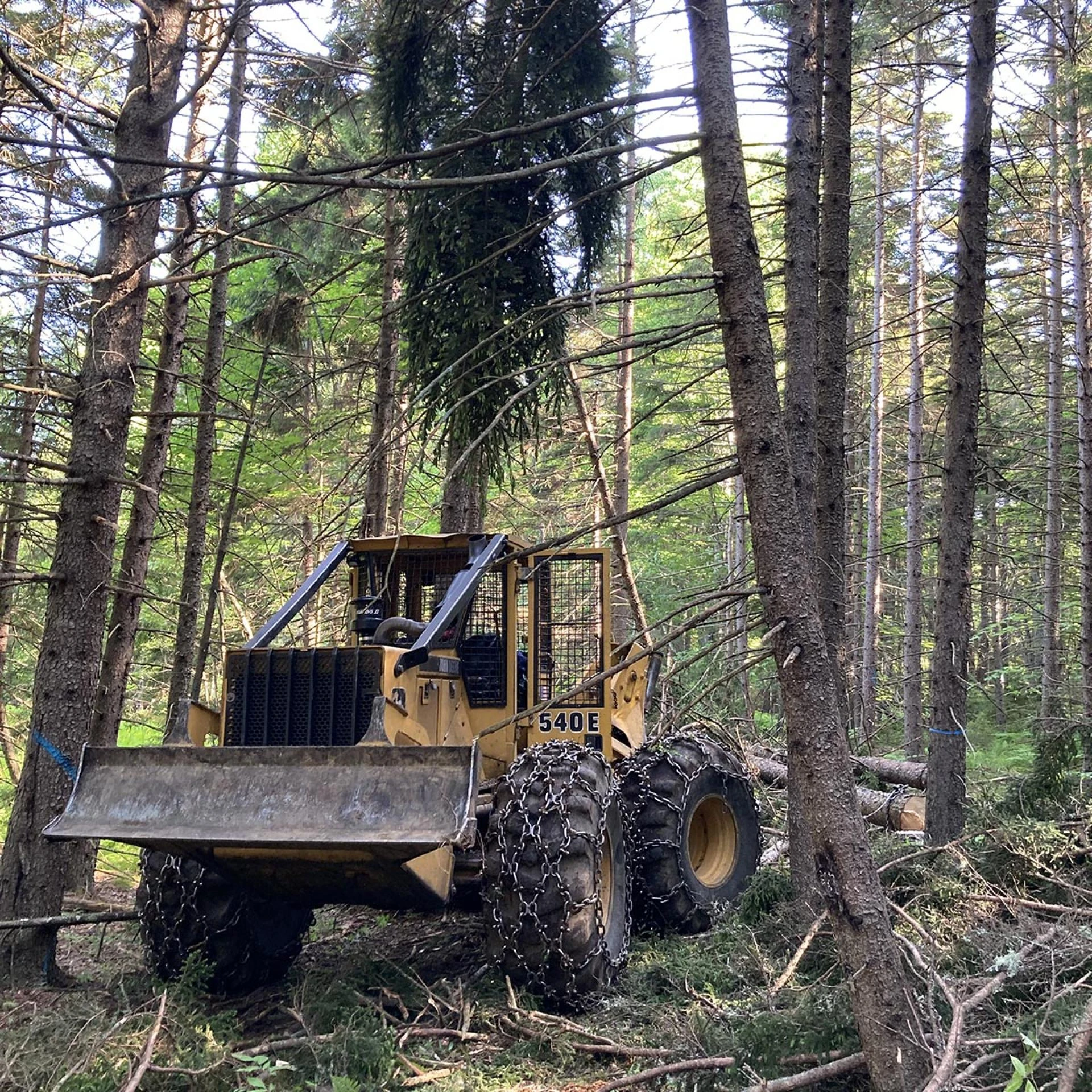
One of the most devastating natural disasters to forests all over the world is wildfires. They not only devastate woodland ecosystems but also threaten wildlife habitats, air quality, water supplies, and nearby communities. Over the last few years, forests have become even susceptible to the outbreak of fires due to climate change and human activity. We cannot stop wildfires, but proactive forest management is essential in decreasing the risks and intensity of the wildfires. In areas such as Vermont where there is almost three-quarters of forest cover, a formalized plan in the form of a Vermont forest management plan has become more critical.
Why Forests are at Risk
Forests are very dynamic ecosystems and undergo the cycle of growth, decay, and regeneration. Trees produce organic waste, leaving behind branches, leaves, and underbrush as trees grow, grow old and perish. With time, this biomass can be fueled by this natural accumulation to fuel wildfires. Together with warmer summers, the increased droughts, and the changing weather patterns, the risk of fire increases dramatically.
An additional complexity is human activity. Logging, land development and other recreational activities may disrupt natural systems and in some cases expose areas to greater risks of fire. Unless forests are properly tended, they may be overstocked within a short period of time and thus when they burst into fire, there is more intensity of the fire.
The Role of a Forest Management Plan
The Vermont forest management plan is meant to manage these risks as well as balancing ecological health and landowner objectives. Such a plan serves as a roadmap, which directs the manner in which a forested property should be taken care of in the long run. It usually contains measures of limiting the unnecessary fuel loads, promoting healthy trees, and safeguarding biodiversity.
An example is selective thinning of overcrowded stands to allow the trees space, water and nutrients to grow. This not only makes individual trees strong, but also less competitive as the forest is not as prone to pests and disease. Notably, with thinning, the quantity of combustible material diminishes as well, decreasing the potential of a fast spreading fire.
Other elements could be prescribed burns, which are guided fires where the fire is controlled by the expert to clear the dry brush and replicate the natural fire cycles. These actions put back the balance of the ecosystems that require periodic fires to regenerate in addition to reducing chances of uncontrolled wildfires.
The Importance of VT Forestry Practices
VT forestry is based on its sustainable arrangement whose main priorities are based on both the ecological health and interests of the landowner. Experts in this field have realised that prevention is way much better than response to disasters after they have been caused. Vermont foresters contribute to a long-term resilience by regularly keeping track of forest conditions and applying science-based practices.
In the context of wildfire prevention, forestry experts assess factors such as species composition, soil health, and moisture levels. Topography is also their concern, as a steep slope and a ridge may affect the rate of spreading a fire. With proper planning and constant refinement, these professionals minimize risks, but at the same time preserve the economic and recreational worth of the soil.
How Vermont Consulting Foresters Support Landowners
The private landowners constitute a big share of the forests in Vermont. To them, a management plan may be daunting to create and sustain unless it is guided by a professional. It is here that Vermont consulting foresters are of utmost importance.
These experts introduce technical expertise and field knowledge, which can make the landowner learn the special requirements of property. Their approaches are customized in ways that not only minimize the risk of fire, but also meet the larger objectives, including better wildlife habitat, timber revenue, or improved recreation.
Forestry consultants would also be useful in maneuvering the state and federal programmes which offer financial incentives on sustainable forestry practices. To landowners, this renders proactive management cost effective and rewarding. Most importantly, under the able supervision, land owners can sleep well knowing that their forests are better placed to combat fire hazards.
Balancing Fire Prevention with Conservation
The dilemma of safety and ecological integrity is one of the issues with the prevention of wildfires. Forest ecosystems are multifaceted and interventions have to be thoughtfully handled to prevent unwanted effects. As an example, excessive clearing of vegetation may affect the habitat or soils to erosion.
A properly developed Vermont forest management plan would mean that fire prevention is achieved without sacrificing the biodiversity. Selective treatments, controlled burns and natural regeneration processes have seen forests to not only be resilient and biologically diverse, but they are also safer to neighboring communities.
Conclusion
Wildfires will never cease to be a natural occurrence in forest ecosystems, but when planned and stewarded, their devastating capability can be managed. An example of a powerful tool in minimizing fire risks and enhancing ecological health is a Vermont forest management plan which is to be implemented with the help of the so-called Vermont consulting foresters and which is to be informed by the so-called VT forestry practices.


























Sign in to leave a comment.