In today’s world, where industrial growth and urbanization are rapidly increasing, maintaining clean air and a healthy environment has become a global priority. Effective filtration systems are at the heart of this mission—and one material, in particular, has become indispensable in ensuring cleaner air and safer surroundings: the PTFE membrane. Known for its exceptional chemical resistance, durability, and filtration efficiency, this versatile material has transformed the way industries approach air and environmental protection.
Among the leading innovators in this field, PorVent® stands out with its high-performance PTFE membrane solutions, helping industries reduce emissions, improve air quality, and support sustainability goals worldwide.
What is a PTFE Membrane?
A PTFE membrane, or Polytetrafluoroethylene membrane, is a microporous structure made from expanded PTFE material. It is engineered to allow gases and air to pass through while blocking liquids, particulates, and other contaminants. This unique property makes PTFE an ideal material for various filtration and venting applications—from air filtration systems and face masks to automotive vents and electronic enclosures.
The porous structure of PTFE membranes provides excellent air permeability, chemical inertness, and thermal stability, ensuring they perform reliably even under the most demanding environmental conditions.
PorVent®, a global leader in PTFE venting technology, designs customized PTFE membrane solutions that cater to diverse industries including automotive, electronics, environmental, and medical sectors.
Why PTFE Membranes Matter in Environmental Protection
Environmental protection involves controlling pollution, managing emissions, and ensuring safe air and water quality. PTFE membranes contribute to these goals in multiple ways.
1. Air Pollution Control
Industrial emissions, smoke, and dust are major contributors to air pollution. Traditional filters often degrade over time, reducing their efficiency in trapping harmful particulates. PTFE membranes, however, offer high filtration efficiency (up to 99.99%), capturing even submicron particles while maintaining optimal airflow.
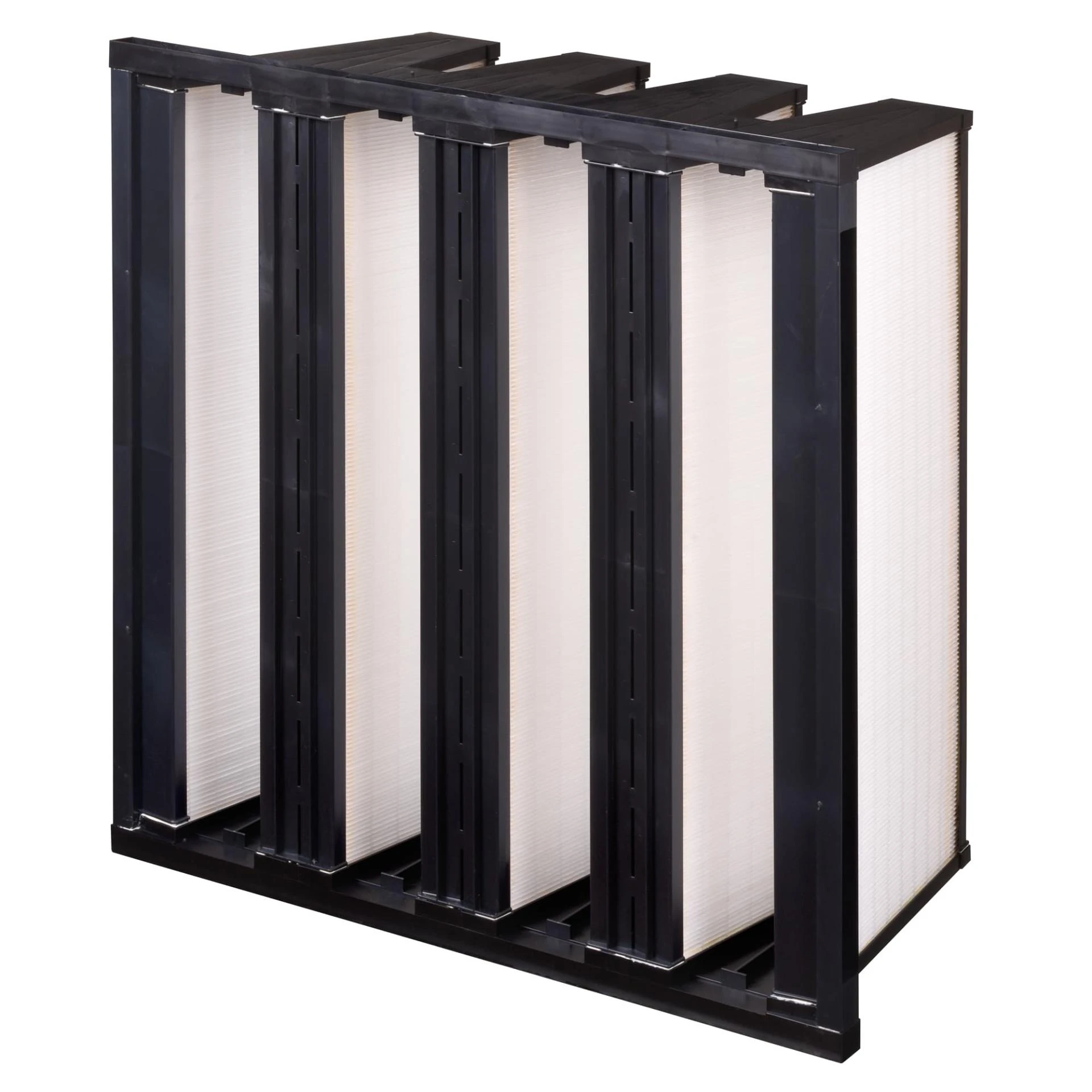
These membranes are widely used in industrial air filtration systems, dust collection units, and baghouse filters, helping factories comply with environmental standards and emission norms.
By incorporating PorVent® PTFE membrane technology, industries can significantly reduce their environmental footprint while maintaining operational efficiency.
2. Protection Against Hazardous Contaminants
PTFE membranes act as an effective barrier against chemical vapors, aerosols, and fine particulate matter. Their hydrophobic and oleophobic properties ensure that contaminants like oil and moisture do not clog the pores, preserving consistent filtration performance.
In hazardous environments such as chemical plants or manufacturing units, PorVent® PTFE membranes provide a protective layer that enhances air quality and safeguards workers from harmful exposure—contributing to a cleaner and safer workspace.
3. Sustainable Filtration Solutions
Unlike disposable filter materials that require frequent replacements, PTFE membranes have an extended lifespan, minimizing waste generation. Their robust nature allows for longer service intervals, which reduces both maintenance costs and material waste.
By integrating PorVent® PTFE venting solutions, industries can achieve sustainability objectives while maintaining high filtration performance. The durability of PTFE membranes directly supports environmental goals by reducing landfill waste and energy consumption associated with filter replacements.
How PTFE Membranes Improve Air Filtration Efficiency
Air filtration systems are critical in maintaining clean air indoors and outdoors, whether in industrial plants, laboratories, or public spaces. PTFE membranes play a crucial role in these systems by providing high-efficiency filtration without sacrificing airflow.
1. High Particulate Capture Efficiency
Thanks to their fine microstructure, PTFE membranes can capture particles as small as 0.1 microns. This makes them suitable for applications in cleanrooms, medical devices, and air purification systems, where ultra-clean environments are essential.
PorVent® membranes combine high particle retention with low pressure drop, ensuring both effective filtration and energy efficiency.
2. Resistance to Harsh Conditions
Conventional filter materials often fail when exposed to heat, chemicals, or moisture. However, PTFE membranes remain stable and functional even under extreme temperatures and corrosive atmospheres.
This exceptional resistance makes PorVent® PTFE membranes ideal for challenging environments such as industrial ventilation systems, automotive vents, and chemical processing units, where consistent performance is crucial for air quality and environmental protection.
3. Long-Term Reliability
Unlike standard filter materials, PTFE membranes do not degrade easily. They resist fouling, tearing, and chemical corrosion, ensuring long-term filtration efficiency. This translates to lower maintenance costs, fewer replacements, and a smaller environmental impact—benefits that align with both corporate sustainability and cost-efficiency goals.
Applications of PTFE Membranes in Environmental and Air Filtration Systems
PTFE membranes are utilized in a broad spectrum of applications that directly or indirectly support environmental protection and air quality improvement.
1. Industrial Filtration Systems
Factories and power plants rely on PTFE membranes for dust collection and emission control. Their ability to trap ultra-fine particles ensures that only clean air is released into the atmosphere, helping organizations comply with environmental regulations.
2. HVAC and Air Purification Units
In heating, ventilation, and air conditioning (HVAC) systems, PTFE membranes are integrated into filters to improve indoor air quality by capturing dust, pollen, and other airborne pollutants. The PorVent® PTFE venting technology enhances the efficiency and reliability of these systems, making them energy-efficient and maintenance-friendly.
3. Automotive and Transportation Industry
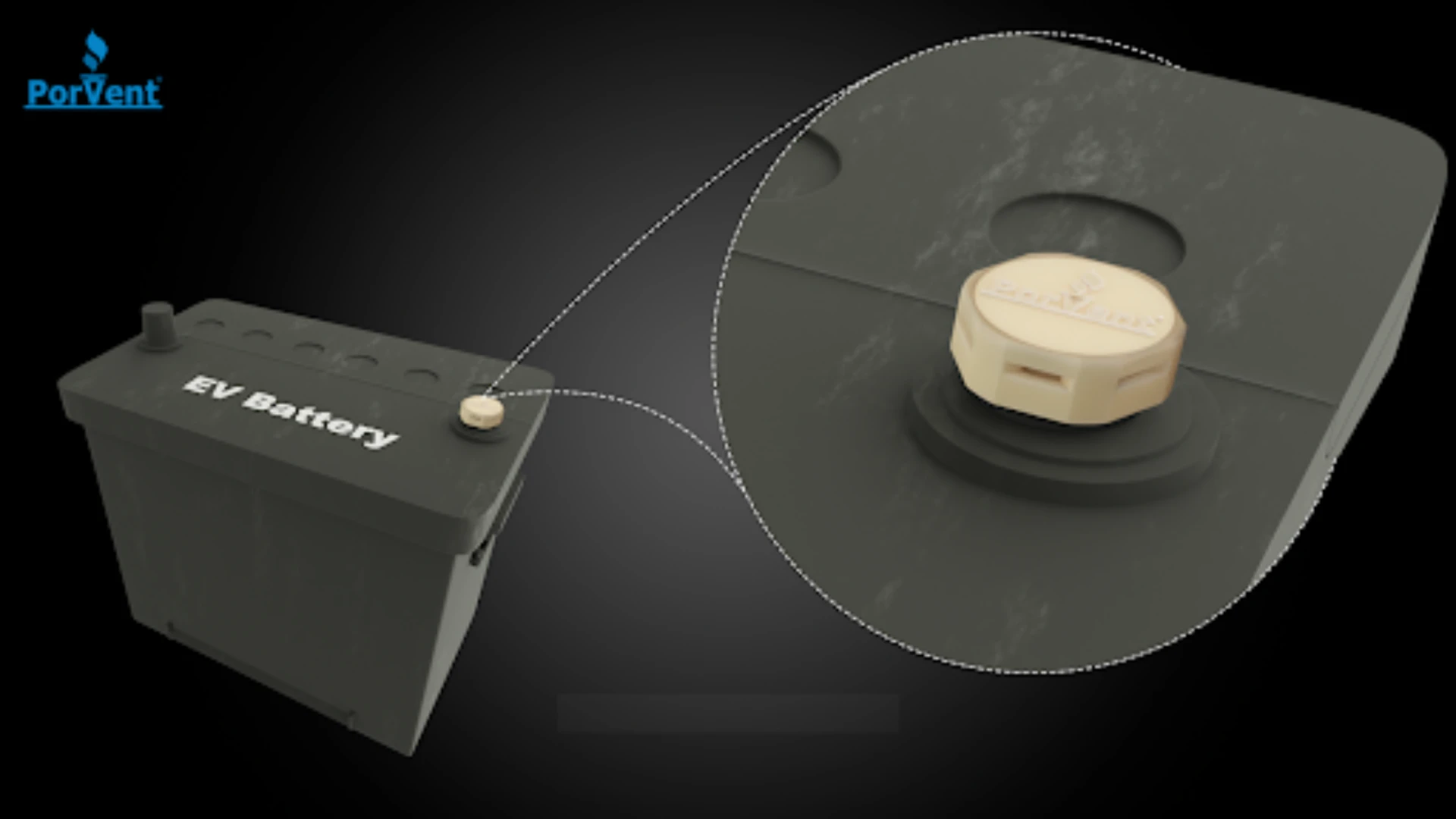
PTFE membranes also contribute to vehicle emission control by protecting sensitive components from dust, moisture, and gases. For instance, they are used in engine control units, battery vents, and sensor protection systems to ensure optimal performance and environmental compliance.
PorVent®’s automotive-grade PTFE membranes are designed to withstand harsh road and weather conditions, promoting both safety and sustainability.
4. Environmental Monitoring Devices
Environmental monitoring equipment such as gas analyzers, air quality sensors, and portable instruments rely on PTFE membranes for accurate readings. The membranes act as protective barriers that prevent moisture and contaminants from affecting sensor accuracy, ensuring reliable environmental data collection.
PorVent® – Leading the Way in PTFE Membrane Technology
PorVent® is a trusted name in PTFE venting and filtration technology, offering customized PTFE membrane solutions that meet the specific needs of various industries. From environmental filtration to automotive venting and electronic protection, PorVent® products are engineered for superior performance and sustainability.
Their membranes are designed using advanced PTFE venting solutions, ensuring high airflow, durability, and resistance to environmental stress. With a strong commitment to innovation and environmental responsibility, PorVent® continues to support global industries in achieving cleaner, safer, and more sustainable operations.
Future of PTFE Membranes in Environmental Protection
As industries move toward greener technologies and stricter environmental policies, the demand for efficient filtration materials like PTFE membranes will continue to grow. Innovations in microporous PTFE structures, nanofiber coatings, and smart venting solutions will further enhance the performance and versatility of these membranes.
Brands like PorVent® are leading this evolution by combining cutting-edge research with practical solutions that make a tangible difference in environmental protection.
Empowering a Cleaner Tomorrow
From improving air quality to supporting industrial sustainability, the PTFE membrane plays a critical role in protecting our planet. Its remarkable properties—chemical resistance, high efficiency, and durability—make it a cornerstone of modern air filtration and venting technologies.
With innovators like PorVent® pushing the boundaries of PTFE venting and filtration technology, industries can continue to operate efficiently while minimizing their environmental impact—helping us all breathe a little easier in a cleaner, safer world.



























Sign in to leave a comment.