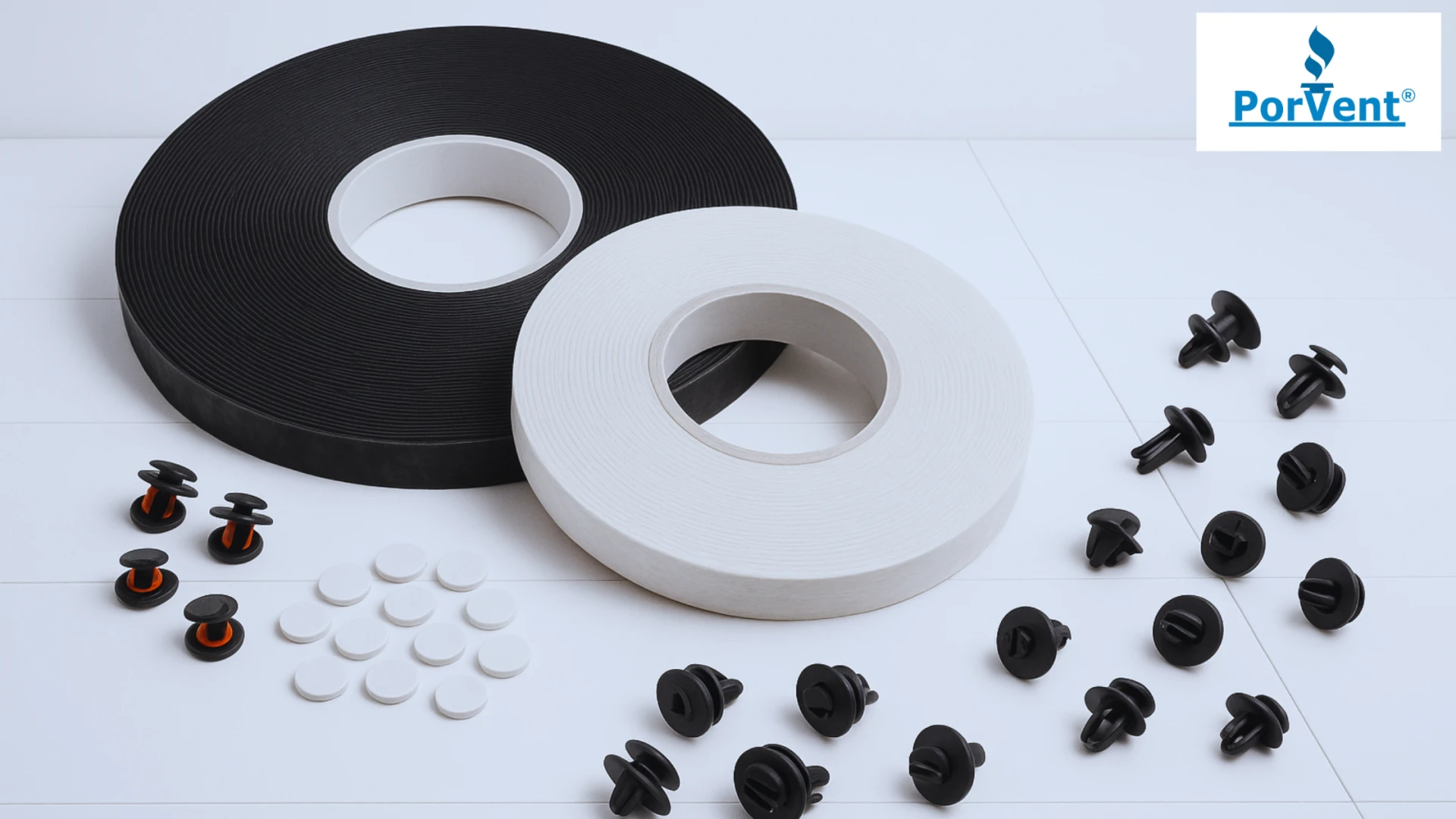

In today’s fast-evolving world of electronics, protection is more than just a casing. Devices are exposed to moisture, dust, temperature changes, and pressure fluctuations. Without the right solution, these conditions can damage internal components, shorten device life, and lead to costly failures.
Enter the protective vent—a small but critical component that ensures pressure equalisation while keeping out contaminants. With increasing demands in sectors like automotive, consumer electronics, telecom, and medical devices, traditional materials are struggling to keep up.
That’s where innovations in membrane materials are stepping in, revolutionising how electronic vent solutions work. In this post, we’ll uncover what’s new, what works, and how brands like PorVent® are leading the way in next-gen protective venting.
Key Takeaways
- Protective vents have evolved with smart membrane materials like ePTFE, nanofibres, and hybrids for better protection and airflow.
- A high-quality electronic vent protects sensitive components from moisture, pressure build-up, and contaminants.
- Material innovations include self-healing, bio-derived, and stimuli-responsive membranes for smarter venting.
- Application-specific selection ensures optimal performance—whether for automotive, consumer electronics, or industrial use.
- PorVent® delivers next-gen venting solutions with global standards and local expertise.
What Is a Protective Vent and Why Does It Matter?
A protective vent is designed to allow air and gases to pass through a device enclosure while blocking water, dust, and other contaminants. It's essential for:
- Preventing pressure build-up
- Avoiding enclosure deformation
- Extending the lifespan of electronics
- Enhancing device safety and reliability
For sensitive devices, especially those involving batteries, PCBs, or sensors, a protective vent isn’t just useful—it’s essential.
This is even more critical in electronic vent applications, where moisture ingress or trapped heat can lead to performance loss or safety hazards.
The Evolution of Membrane Materials in Protective Vents
1. Expanded PTFE (ePTFE): The Industry Standard, Evolved
One of the most common materials, ePTFE, is known for its:
- High breathability
- Excellent chemical resistance
- Hydrophobic nature
But the latest ePTFE innovations are now:
- More flexible, allowing easier integration into compact devices
- Dual-functional—blocking both water and oils
- UV-stable, improving performance in outdoor use cases
These improvements are a game-changer for rugged electronic vent systems used in harsh Indian climates.
2. Nanofibre Membranes: Small Pores, Big Protection
New-generation nanofibre membranes offer:
- Ultra-fine pore sizes for precise filtration
- High air permeability
- Low pressure drop across the membrane
They’re ideal for:
- Wearables and medical devices
- Smartphones and tablets
- Miniature sensor housings
PorVent® uses advanced nanofibre technology in its compact protective vent designs, balancing airflow and protection like never before.
3. Multi-Layered Hybrid Membranes
Why choose between performance features when you can combine them? Hybrid membranes are gaining ground for offering:
- A coarse outer layer for mechanical strength
- A middle filtration layer for dust and bacteria
- A breathable inner layer for air pressure equalisation
These are perfect for electronic vent systems used in:
- Telecom base stations
- Industrial enclosures
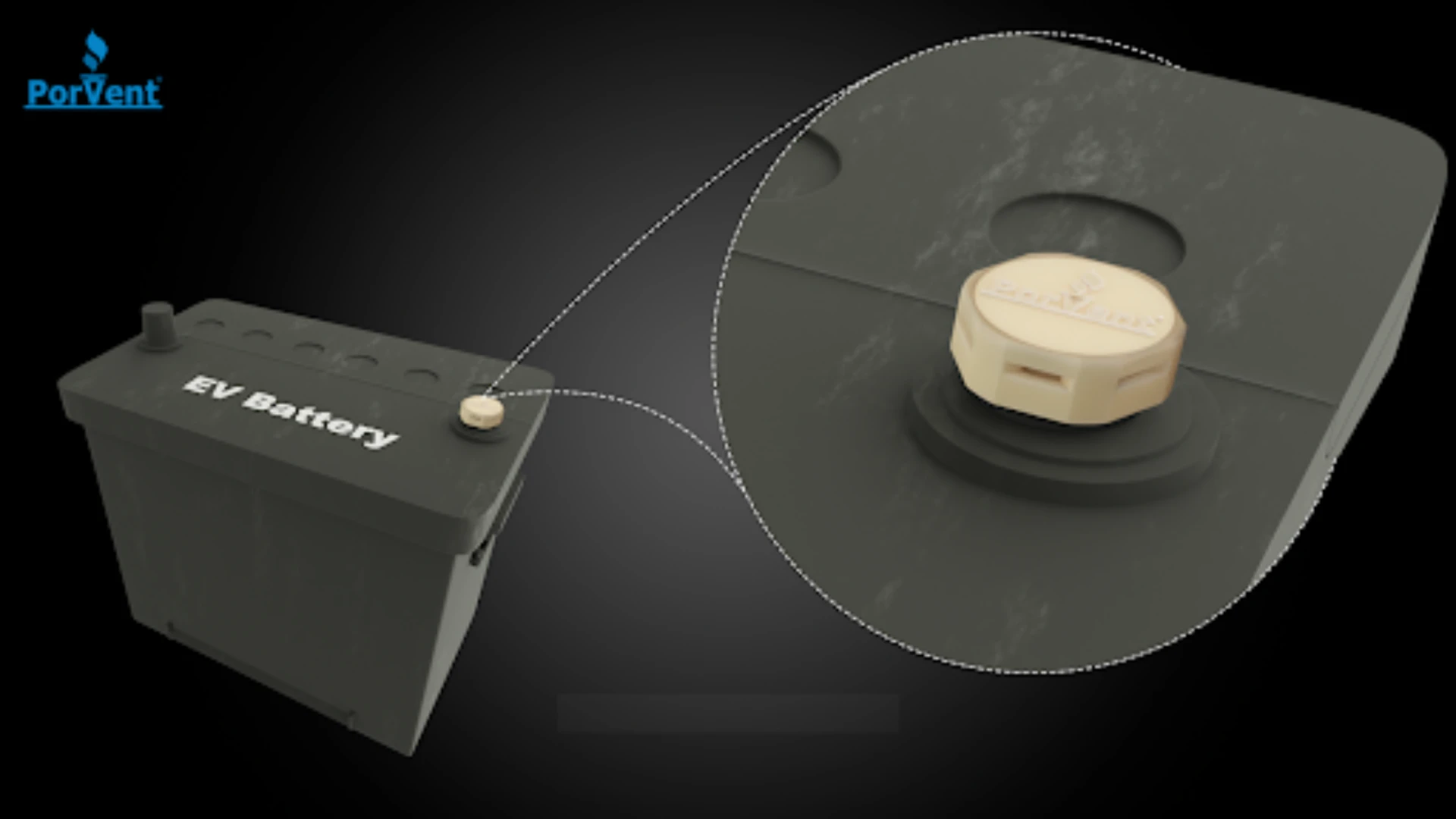
- Battery packs
At PorVent®, such hybrid membranes are custom-engineered for the application—ensuring optimal performance in extreme environments.
4. Smart and Sustainable Membrane Materials
Environmental and functional concerns have led to the rise of smart materials such as:
- Stimuli-responsive membranes that change pore size based on humidity or temperature
- Bio-based polymers that reduce environmental impact
- Self-healing coatings that improve product life
These innovations are setting the stage for the next-gen protective vent that not only protects but adapts.
Choosing the Right Protective Vent: Key Considerations
When selecting a protective vent or electronic vent, consider the following:
- Ingress Protection (IP) Rating: How much water/dust protection do you need?
- Airflow Requirements: Devices with heat or pressure build-up need high permeability.
- Chemical Exposure: Choose materials resistant to oils, fuels, and cleaning agents.
- UV and Temperature Range: Particularly important for outdoor or automotive devices.
- Size and Design: The vent must fit your housing without compromising integrity.
Why PorVent® is Your Trusted Partner for Protective Vents
At PorVent®, innovation isn’t just a buzzword—it’s our foundation. We combine deep material science expertise with application-specific design to develop protective vent and electronic vent solutions that work reliably in real-world conditions.
Here’s what sets us apart:
- ✔️ Advanced membrane technology tailored for Indian and global markets
- ✔️ High-performance venting solutions with IP-rated protection
- ✔️ Customisable vent sizes, shapes, and mounting styles
- ✔️ Fast prototyping and production scalability
- ✔️ Compliance with industry standards (RoHS, REACH, UL, etc.)
Whether you're building the next breakthrough consumer gadget or need rugged venting for industrial environments, PorVent® delivers reliability where it matters most.
The Future of Protective Vents Starts with PorVent®
Membrane innovation is not just a trend—it’s the backbone of the modern protective vent. With smaller, smarter, and more demanding devices, the need for intelligent venting is greater than ever. Advanced materials like nanofibres, hybrid layers, and bio-based polymers are already shaping how electronics stay safe and functional.
And at the forefront of this innovation is PorVent®—offering engineered solutions that balance airflow, protection, durability, and sustainability.
Looking for expert venting solutions for your next project? Choose PorVent®—where performance meets protection.
Connect with our team today to find the right protective venting solution that fits your unique needs.





























Sign in to leave a comment.